Information on Shinkokai Groups and Showclasses
Successful koi judging begins with understanding how Nishikigoi are classified. Before a koi can be evaluated, it must first be placed in its correct showclass and designated judging group. This traditional framework ensures that every fish is judged fairly alongside varieties that share similar genetic characteristics, history, and aesthetic standards.
Shinkokai uses poetic Japanese (flower) names
At the Shinkokai, we follow a classification system that groups koi according to their specific variety. These groups, named after poetic Japanese cultural concepts and symbolic flowers like Miyabi, Sakura, Tsubaki, and Botan, form the absolute foundation of the Shinkokai judging system. This method allows judges to compare koi with common qualities while deeply recognizing and honoring the unique beauty of each individual variety.
Understanding Shinkokai Judging Groups & Koi Showclasses
The showclasses and groups presented on this page are intended as an educational reference for passionate hobbyists, international exhibitors, and aspiring judges. Whether you are preparing your finest koi for your first All Japan Koi Show or expanding your personal knowledge of Nishikigoi, understanding these classifications will help you better appreciate how koi are evaluated and why certain varieties compete together.
Explore the categories below to discover where each koi variety belongs and gain a deeper understanding of the refined principles behind authentic Shinkokai judging.
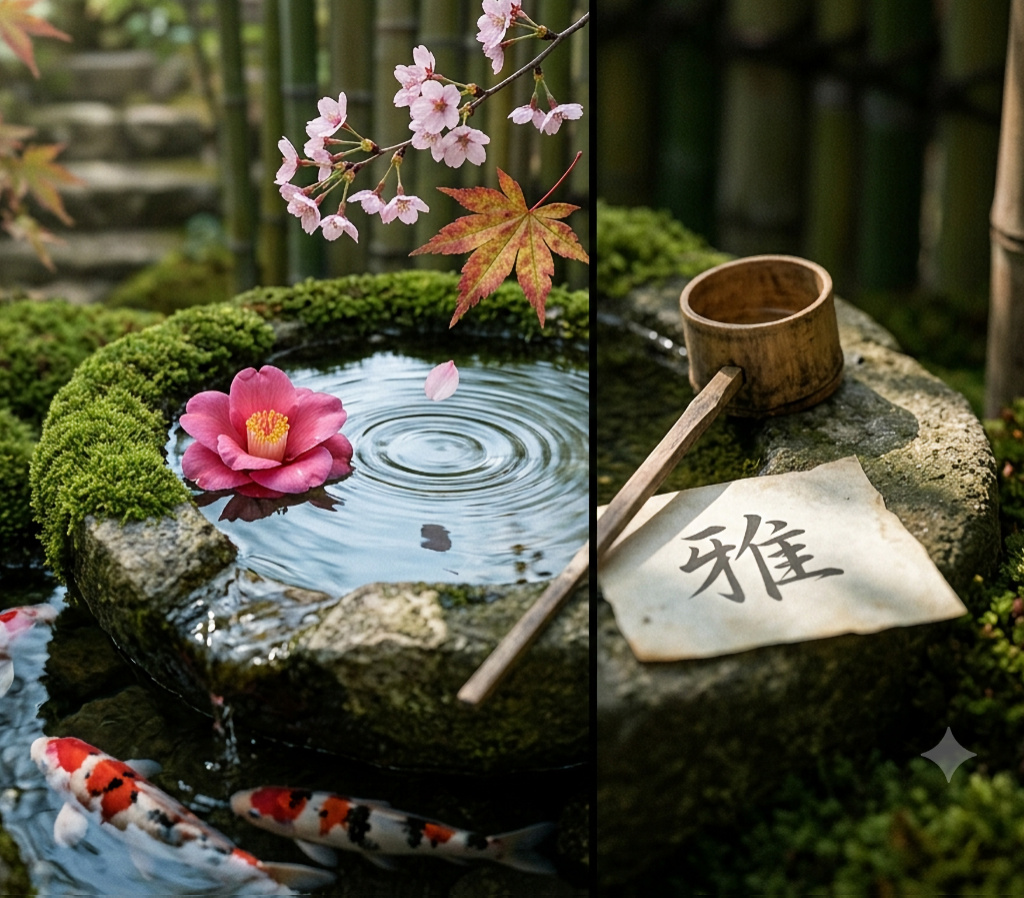
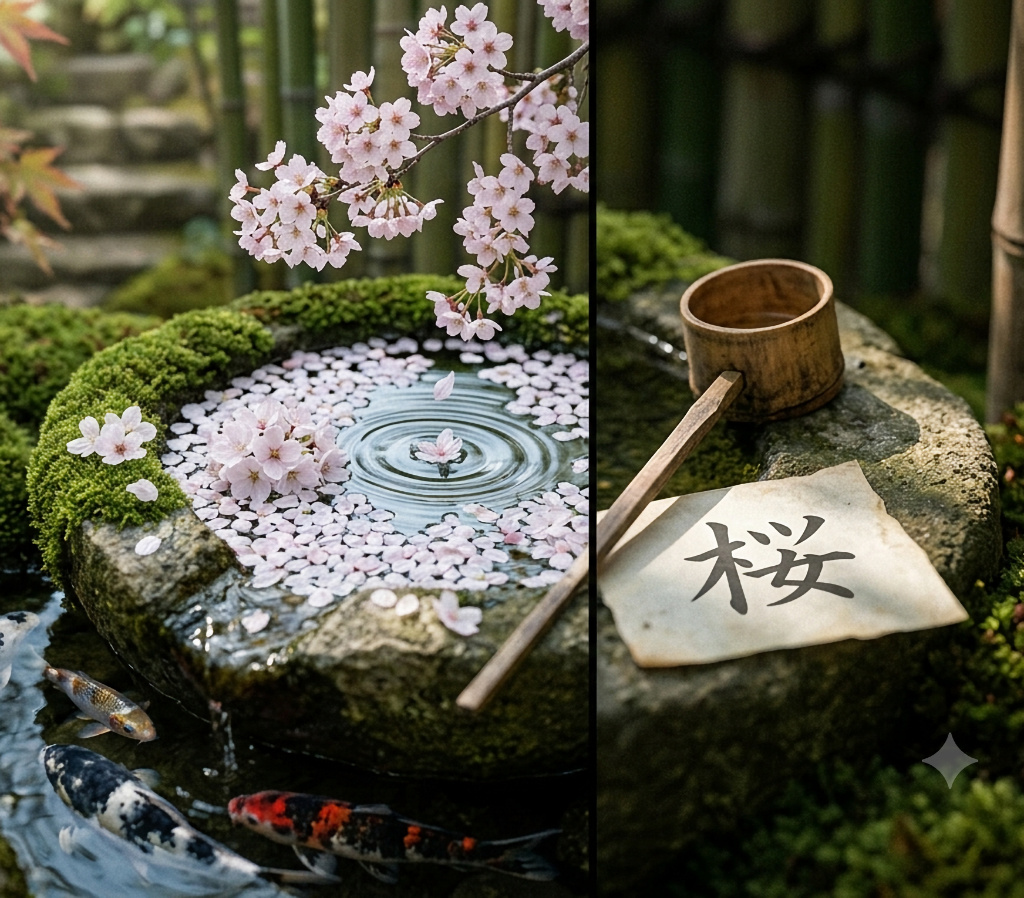
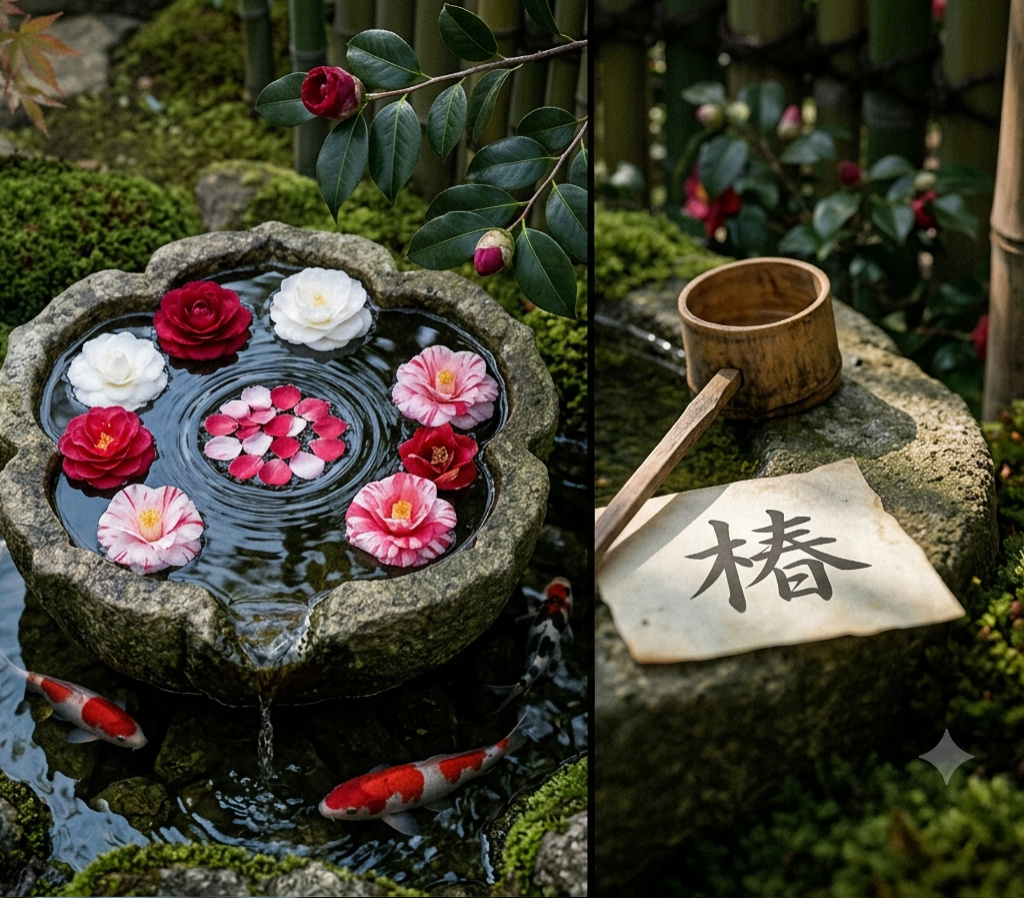
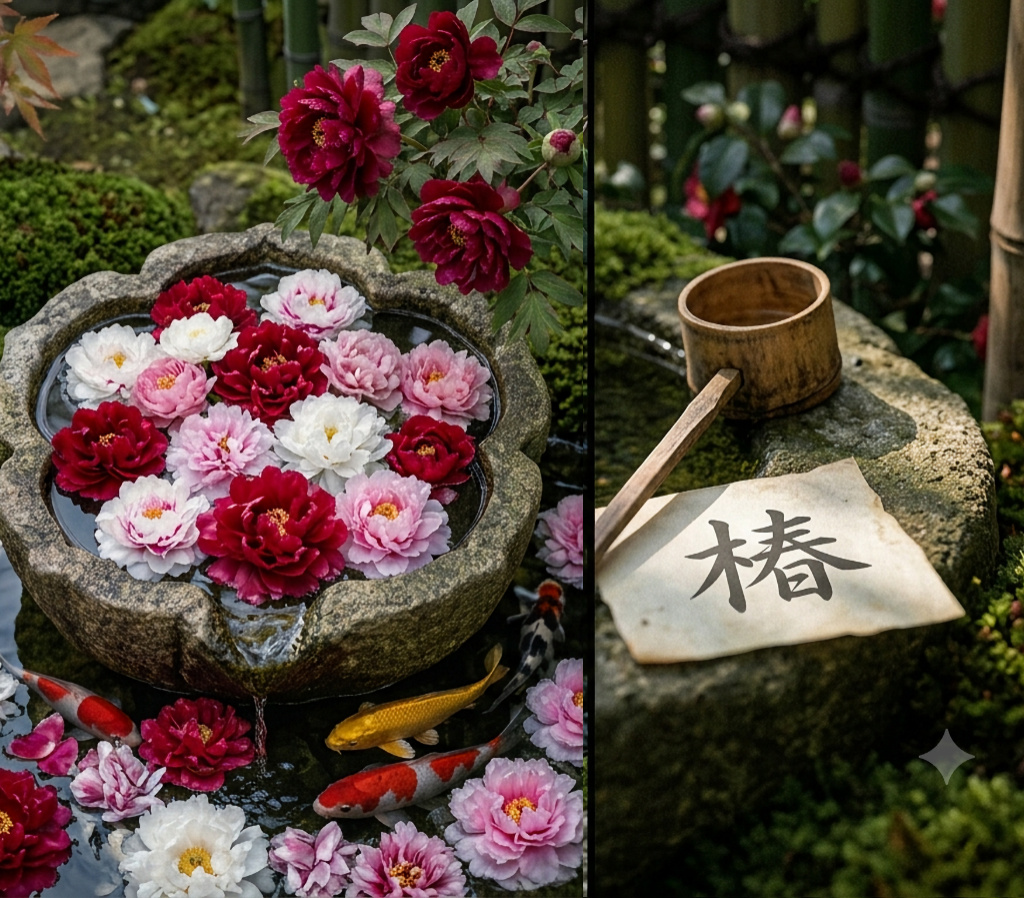
Shinkokai uses 4 groups
Miyabi represents elegance and tradition
Miyabi is not a flower, but one of the oldest traditional Japanese aesthetic ideals. It literally translates to 'elegance', 'refinement', or 'courtly manners'.
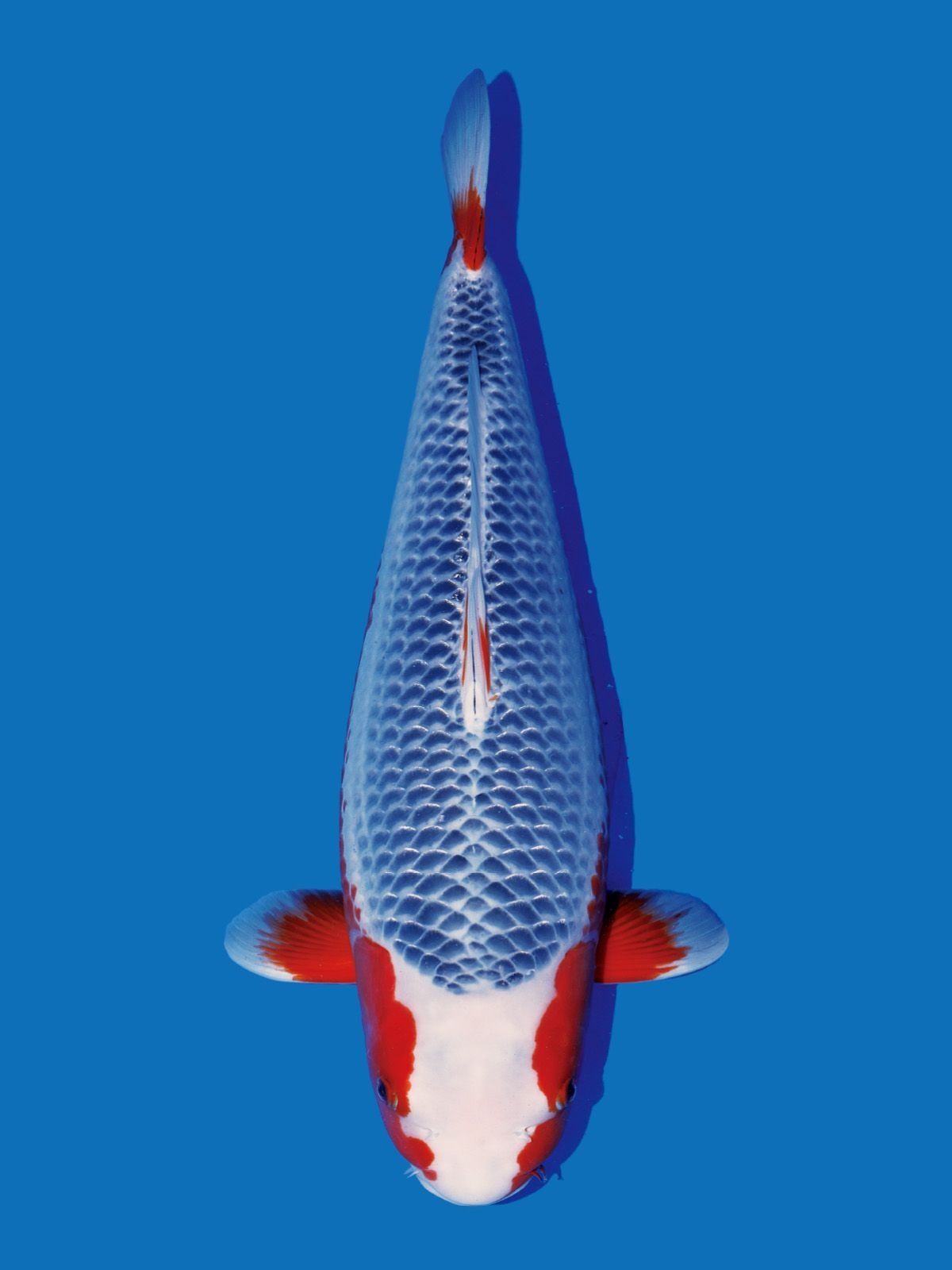
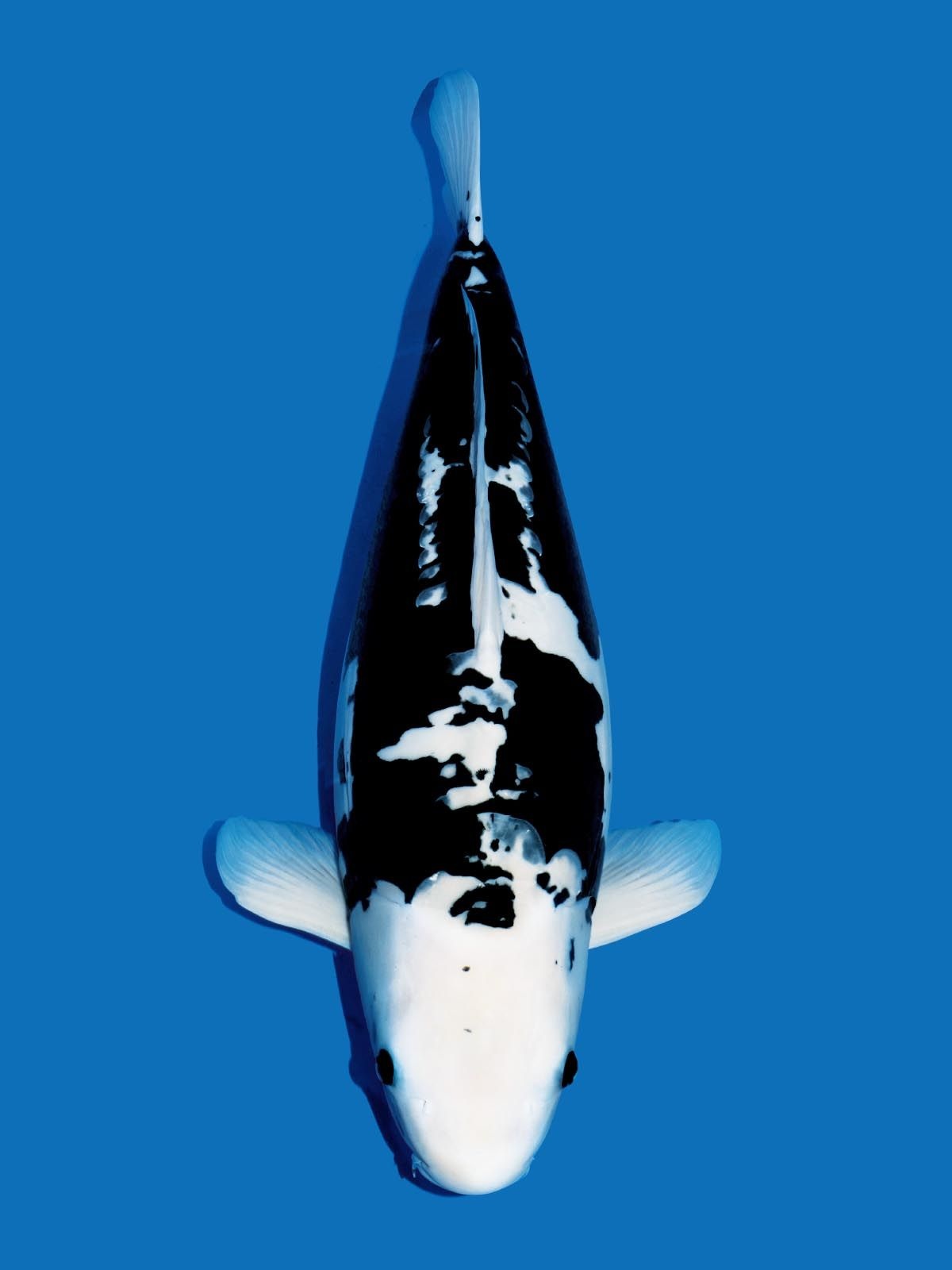
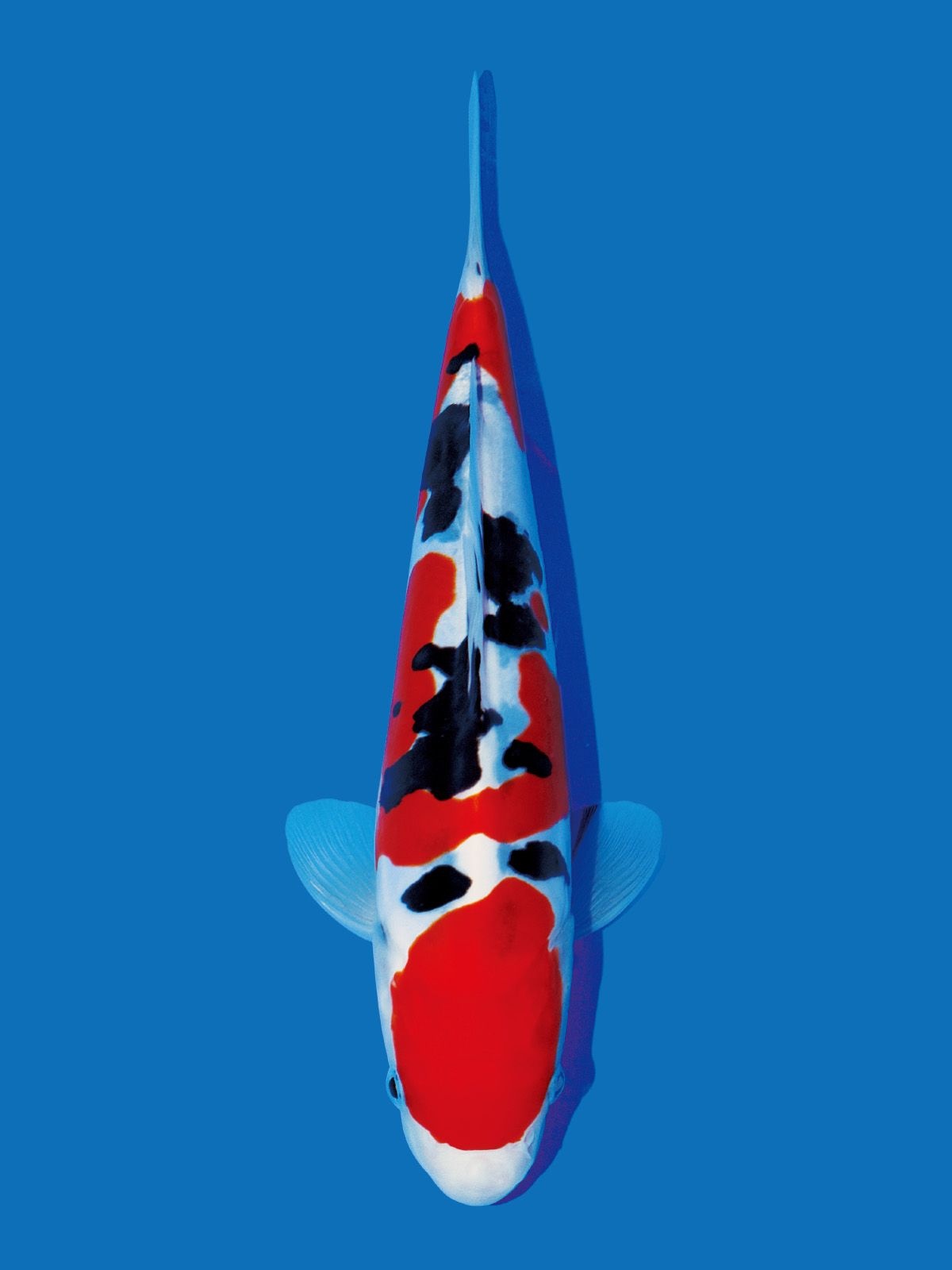
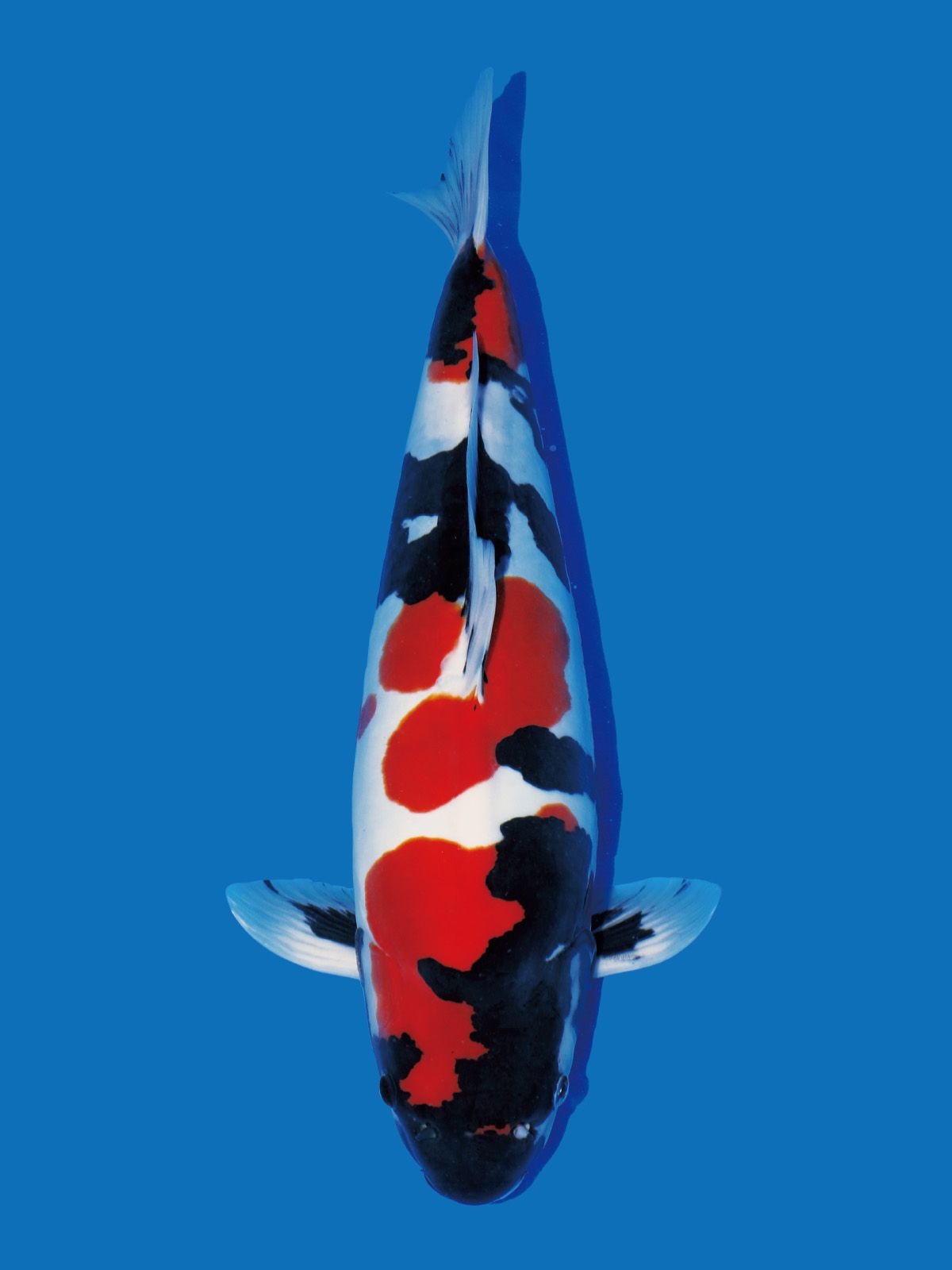
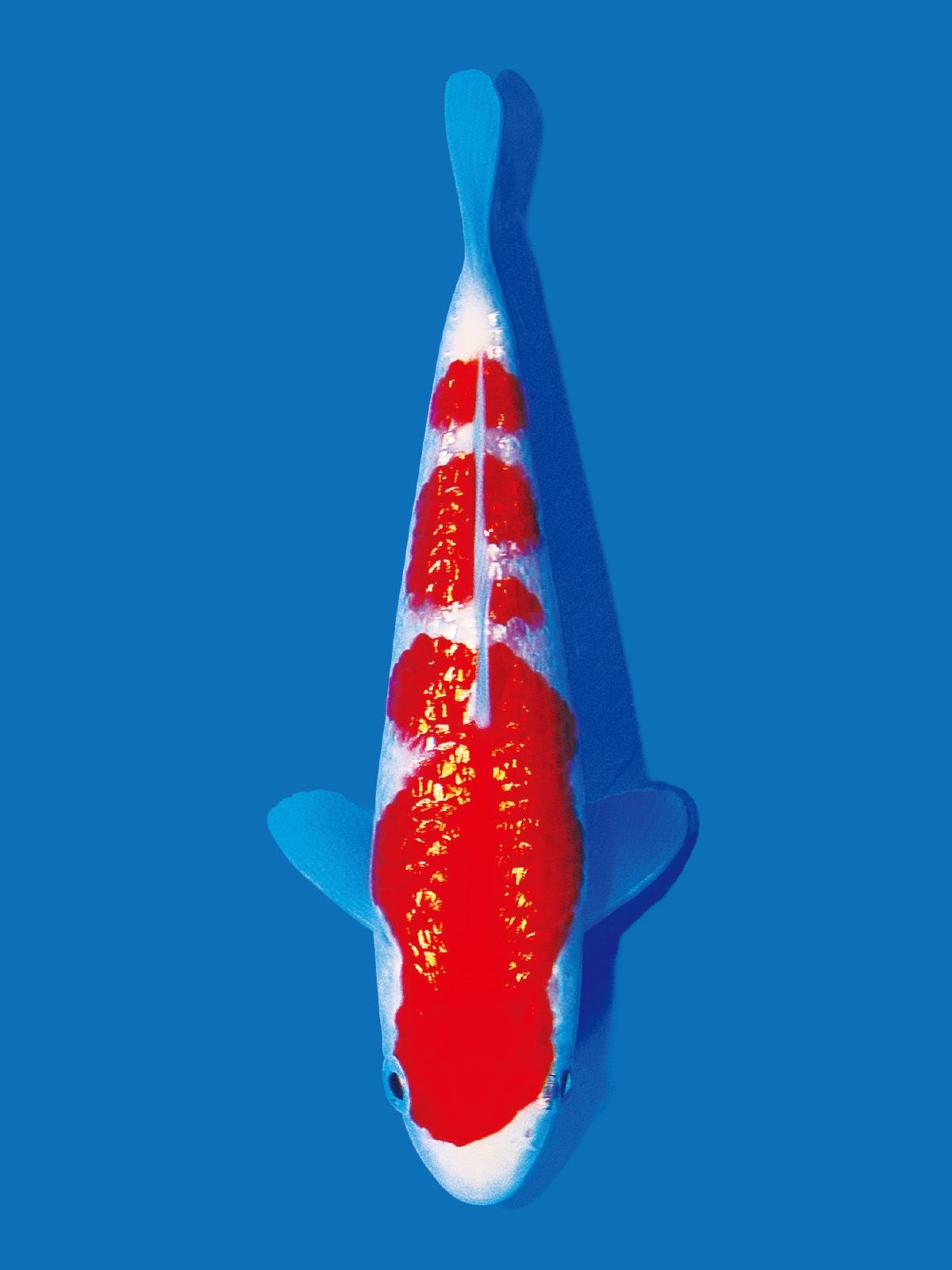
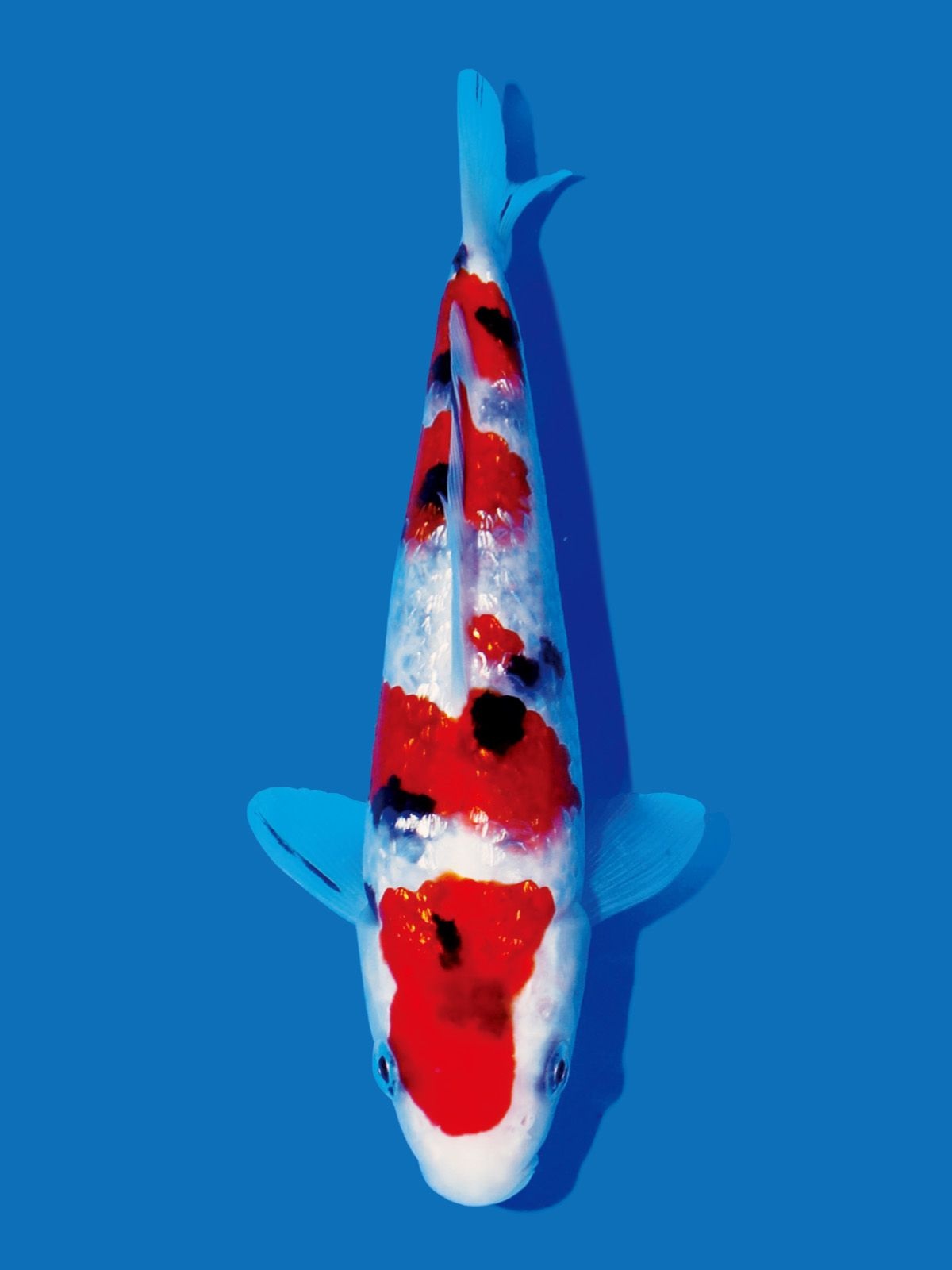
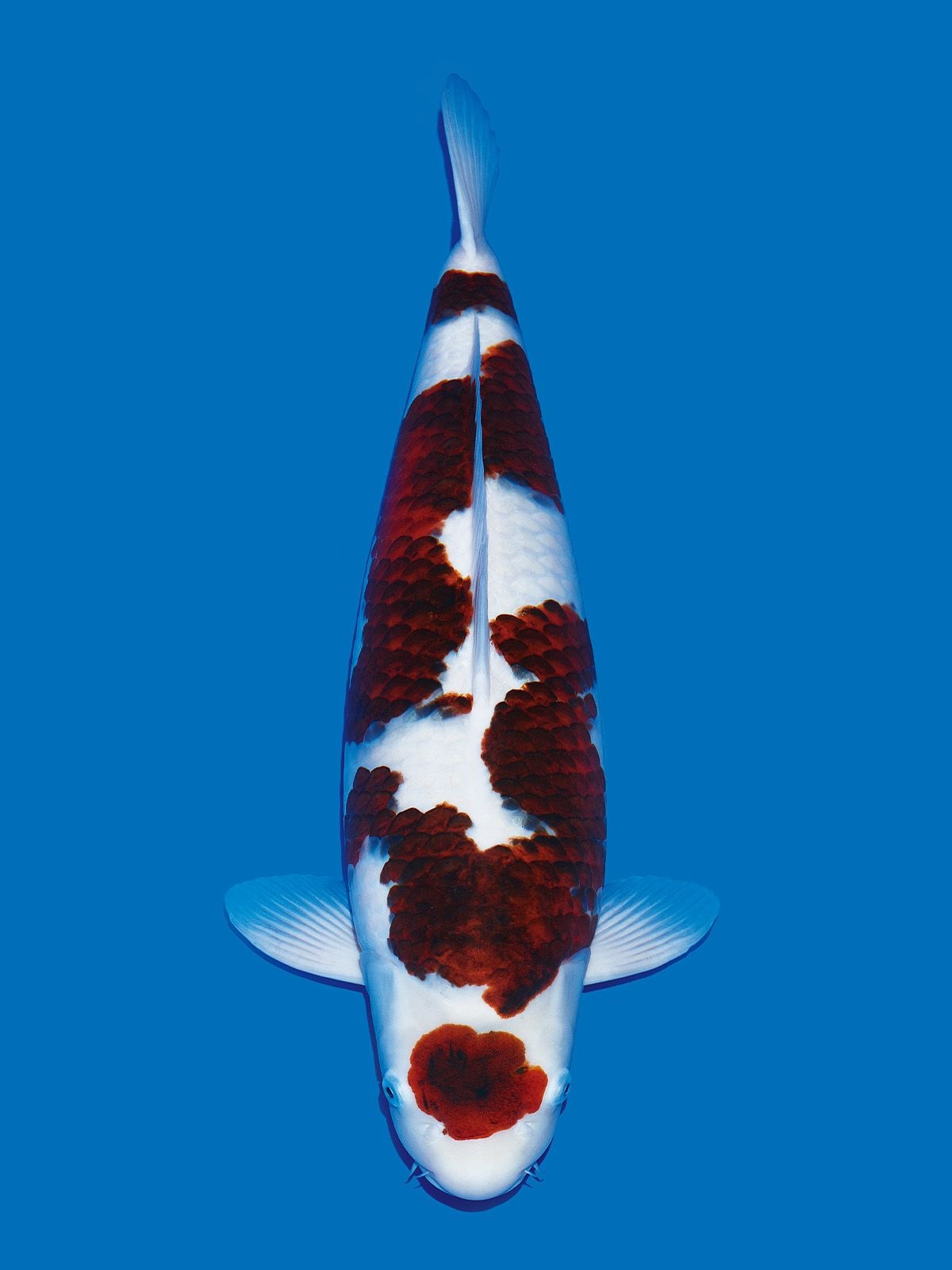
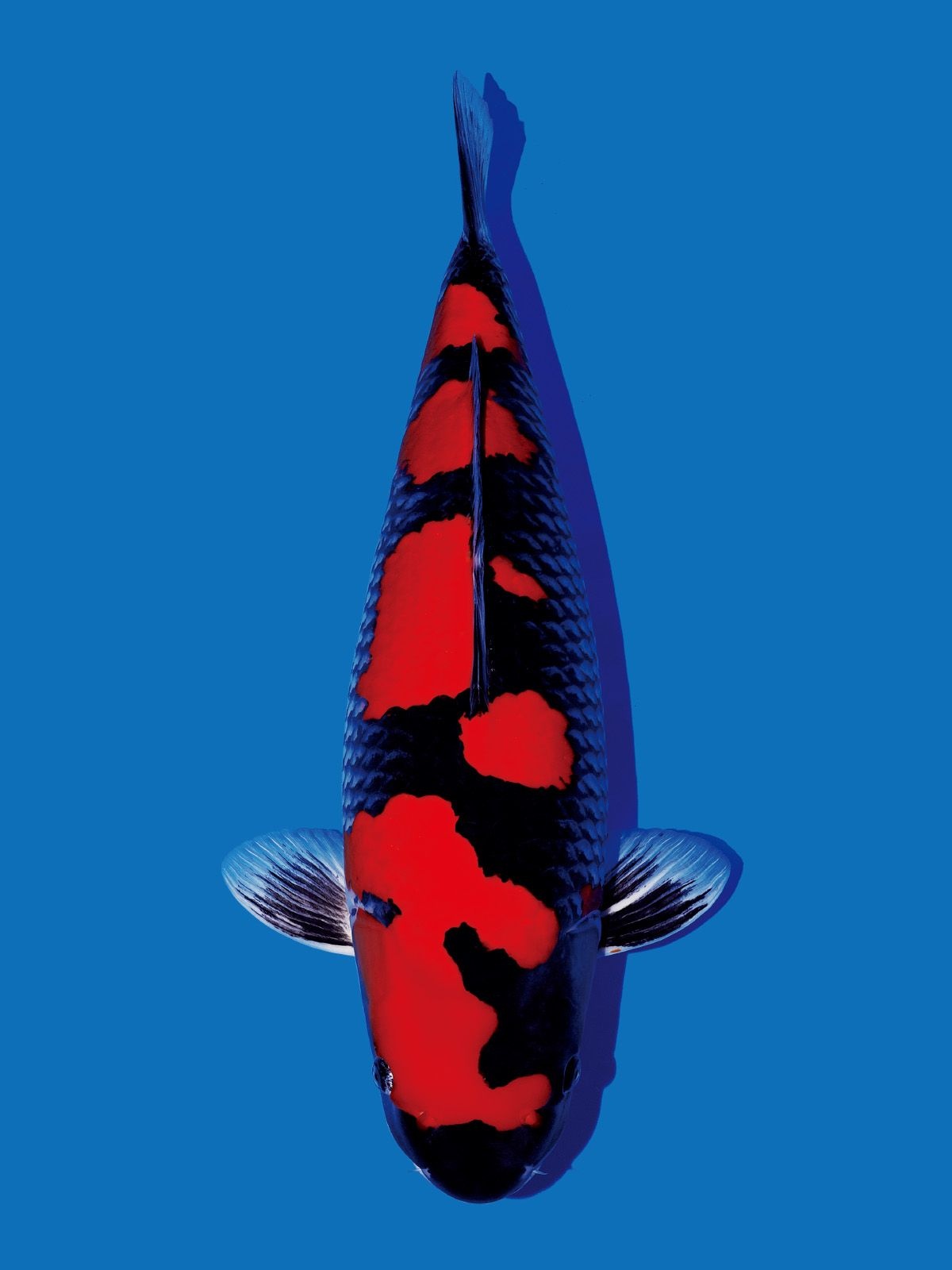
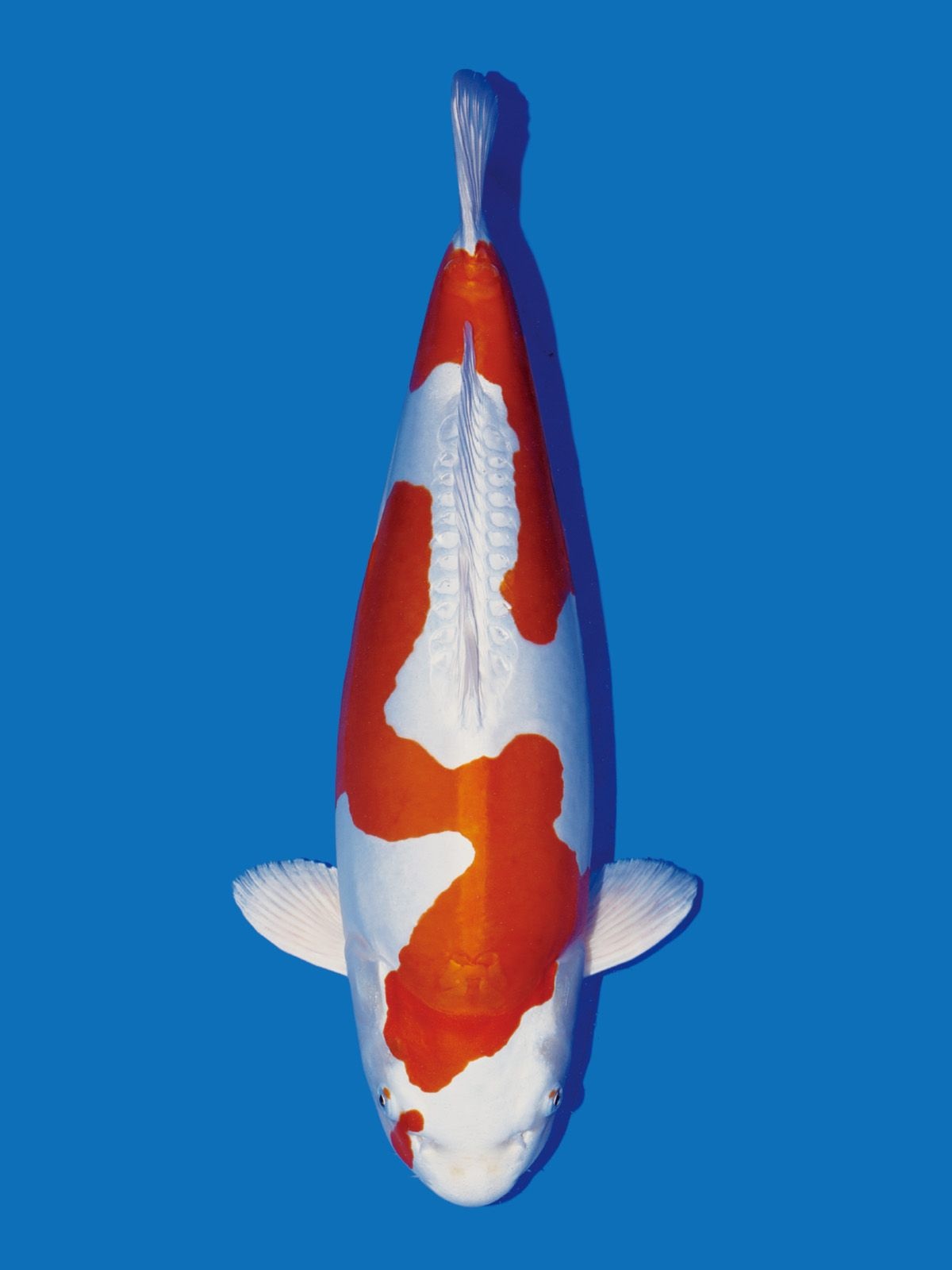
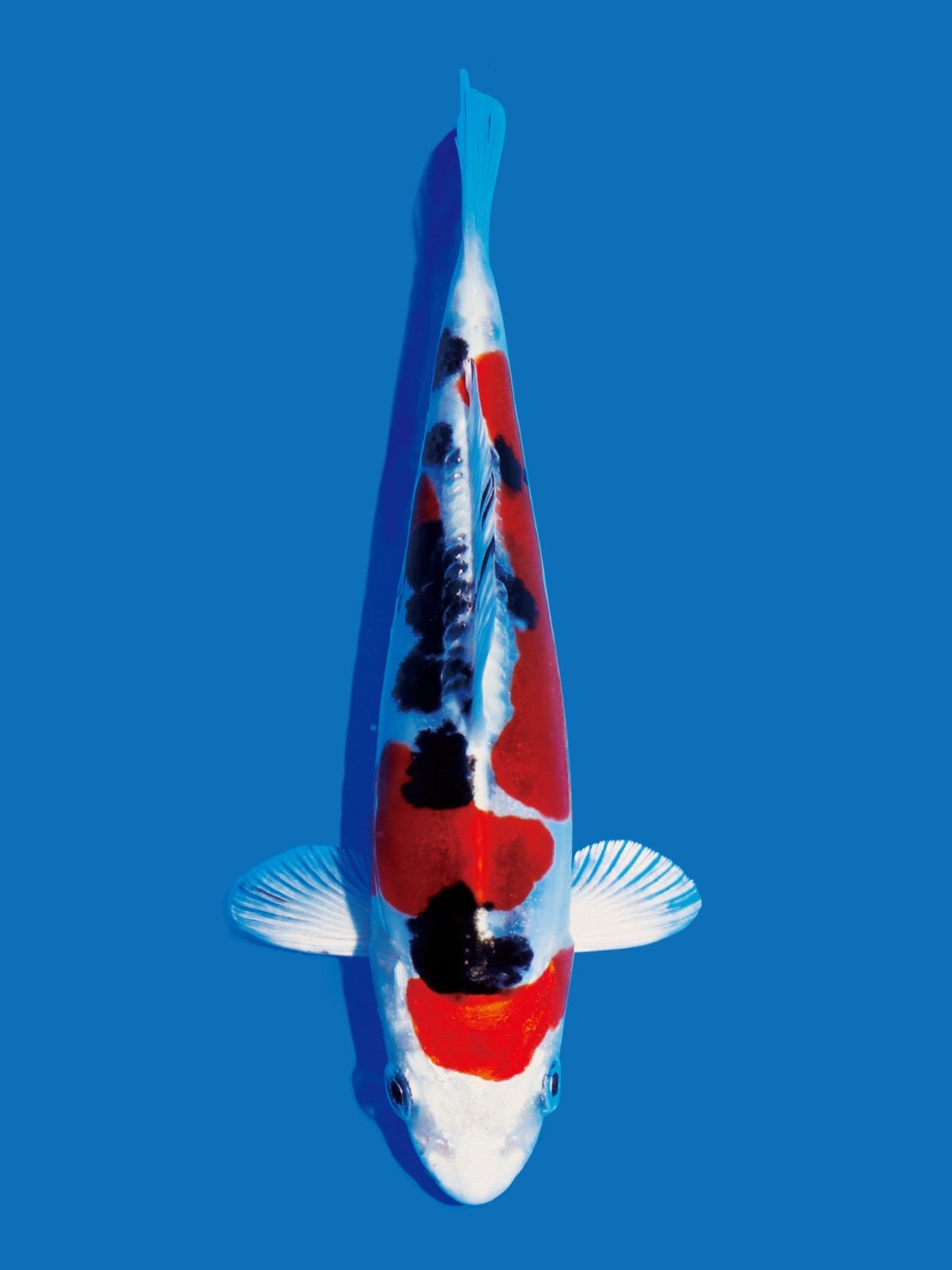
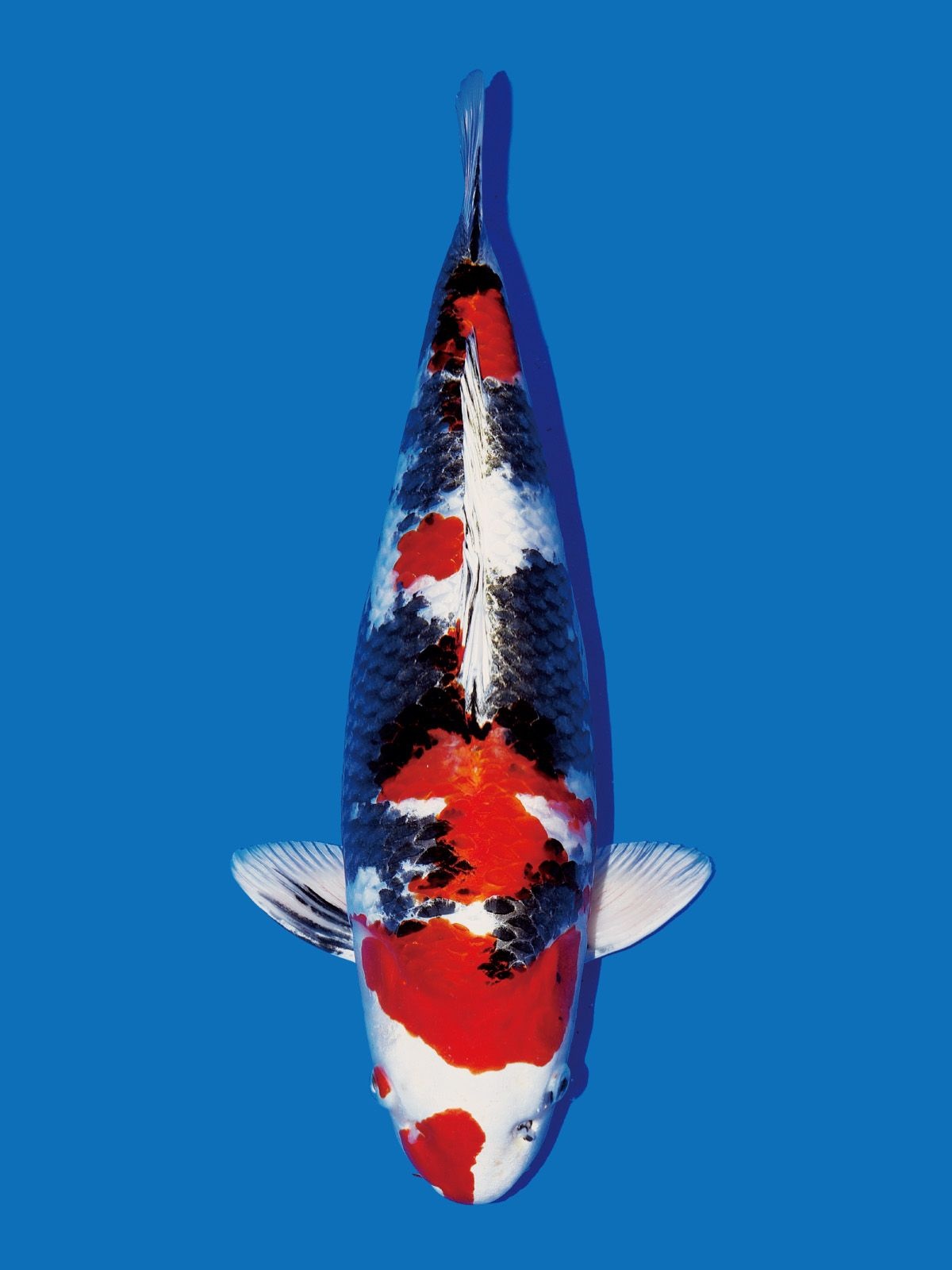
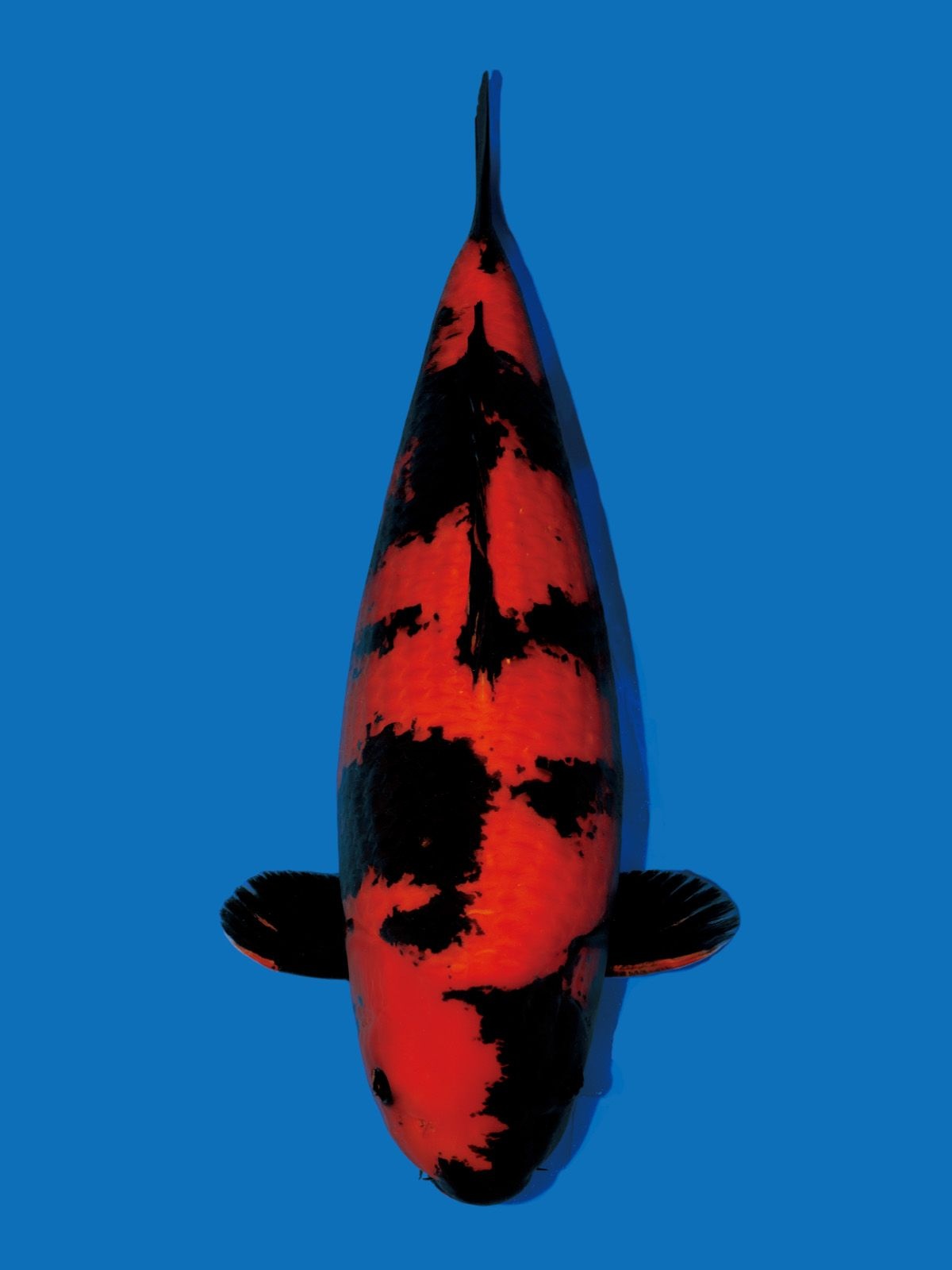
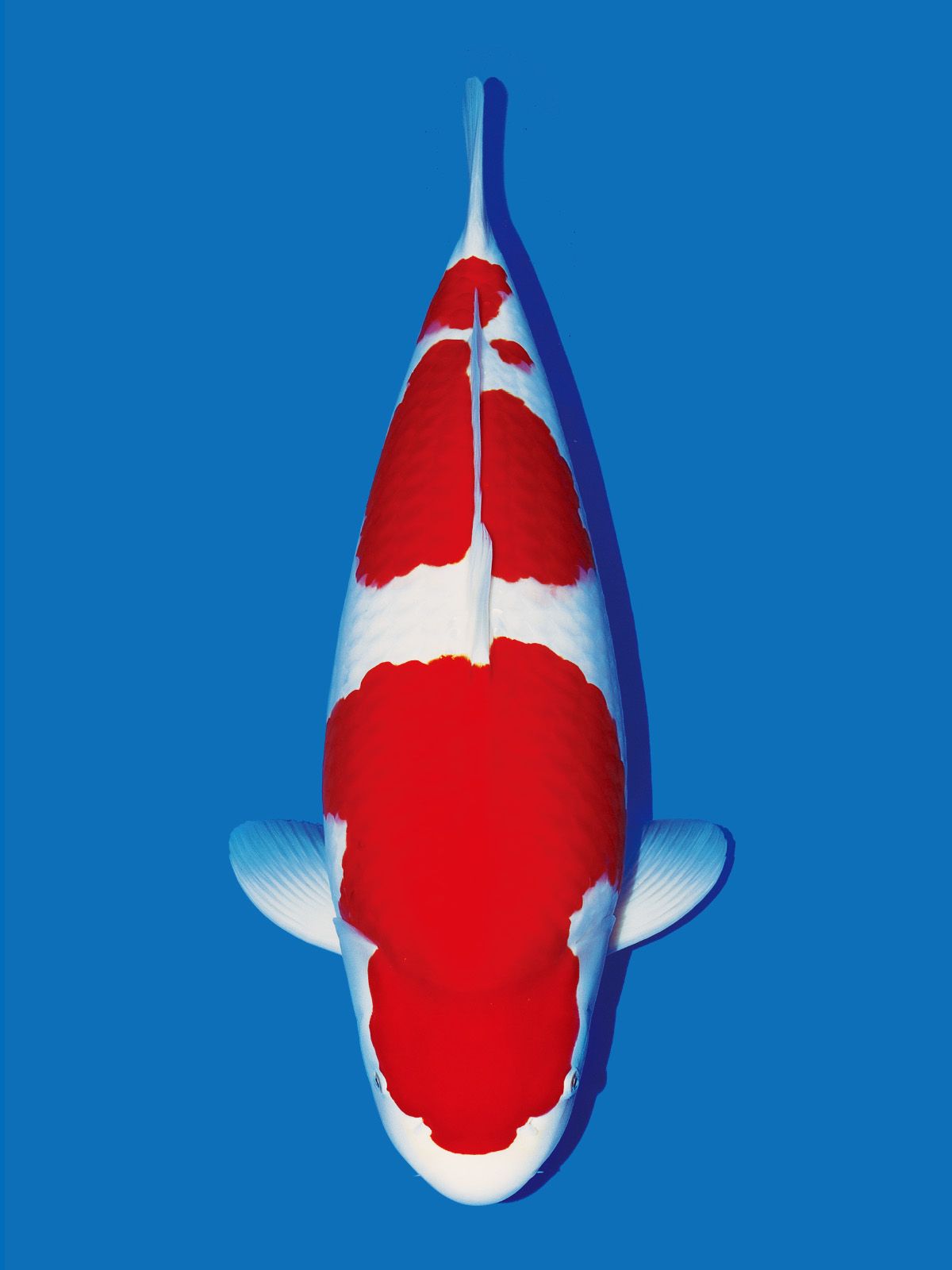
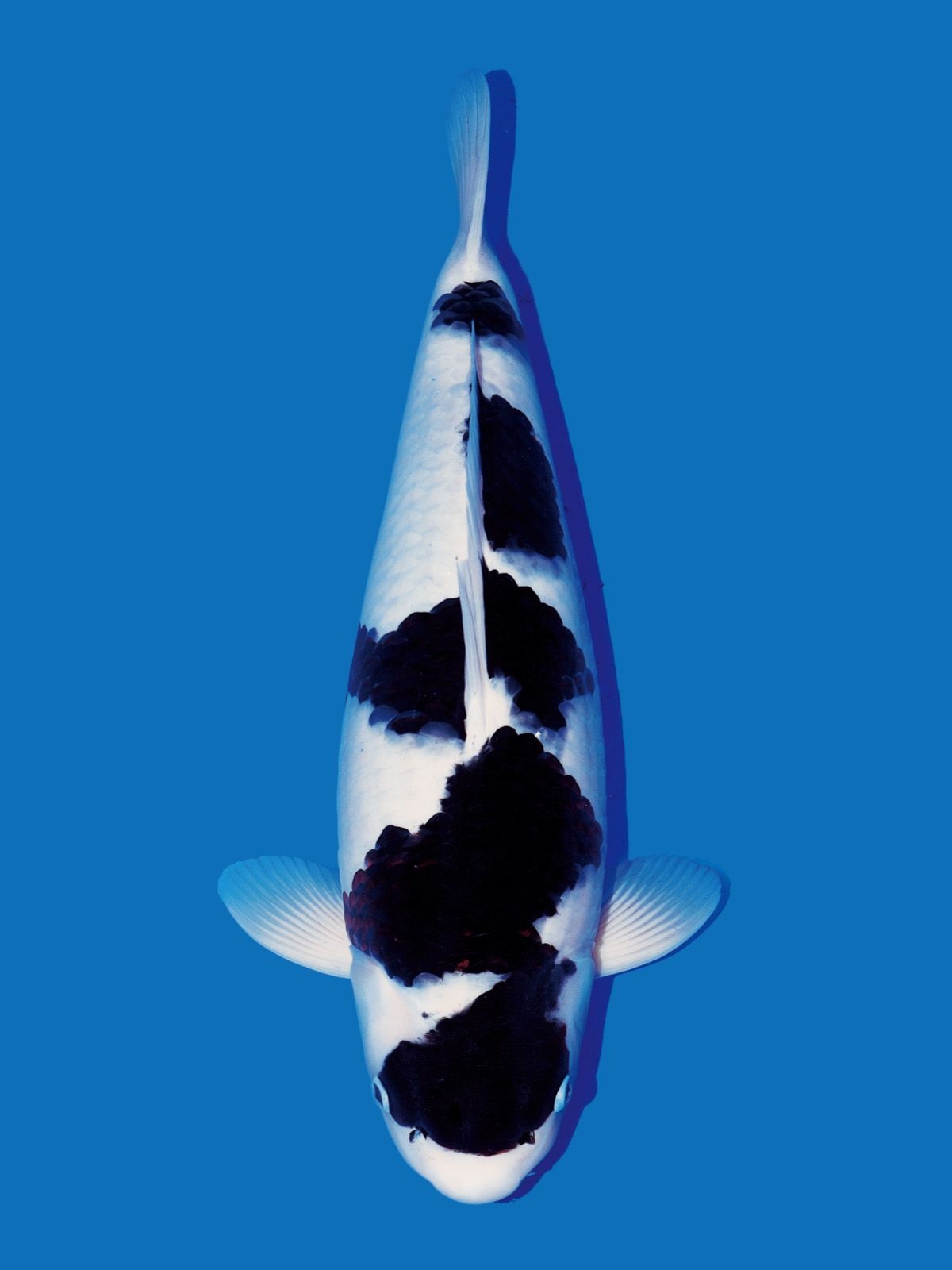
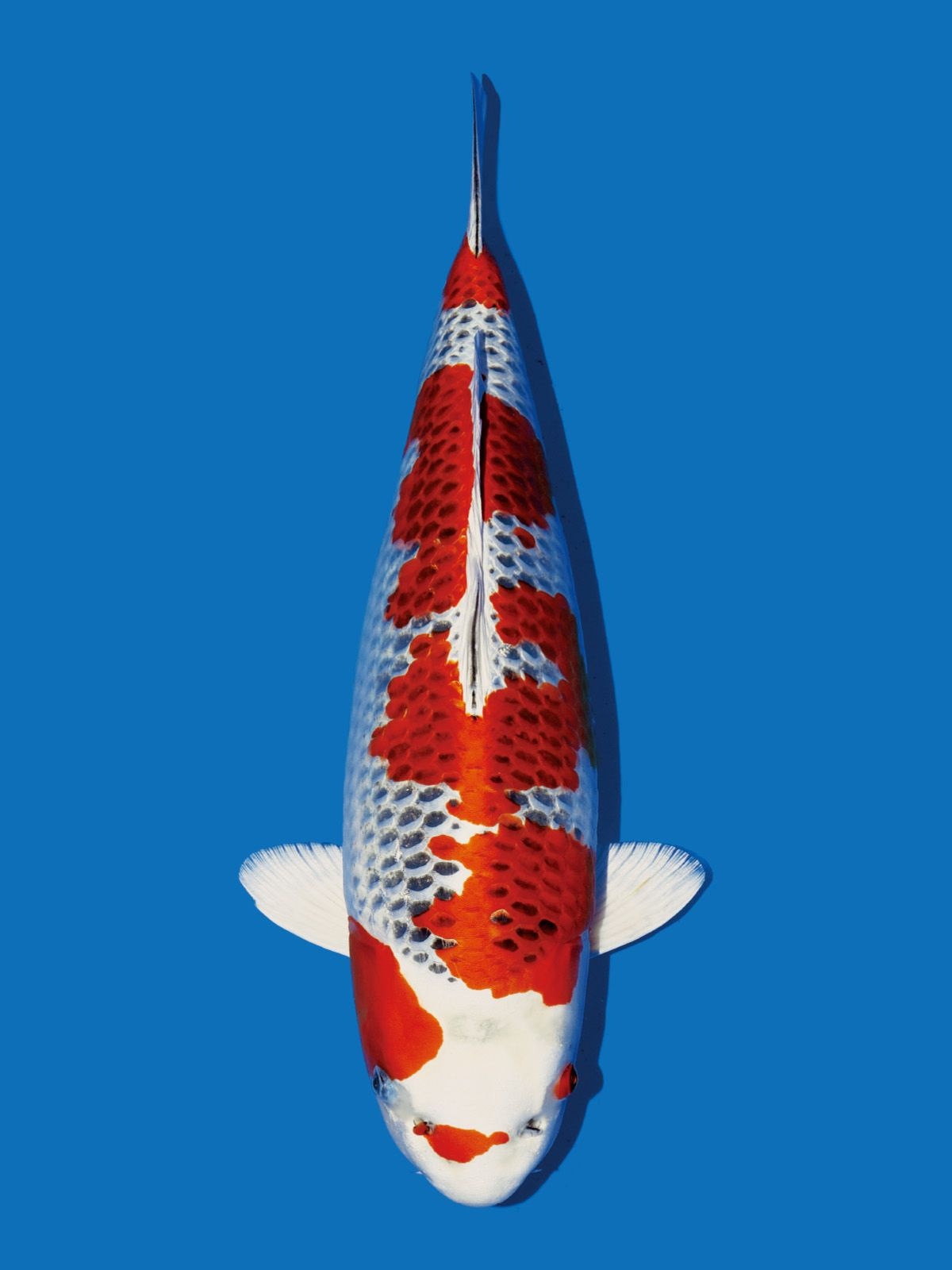
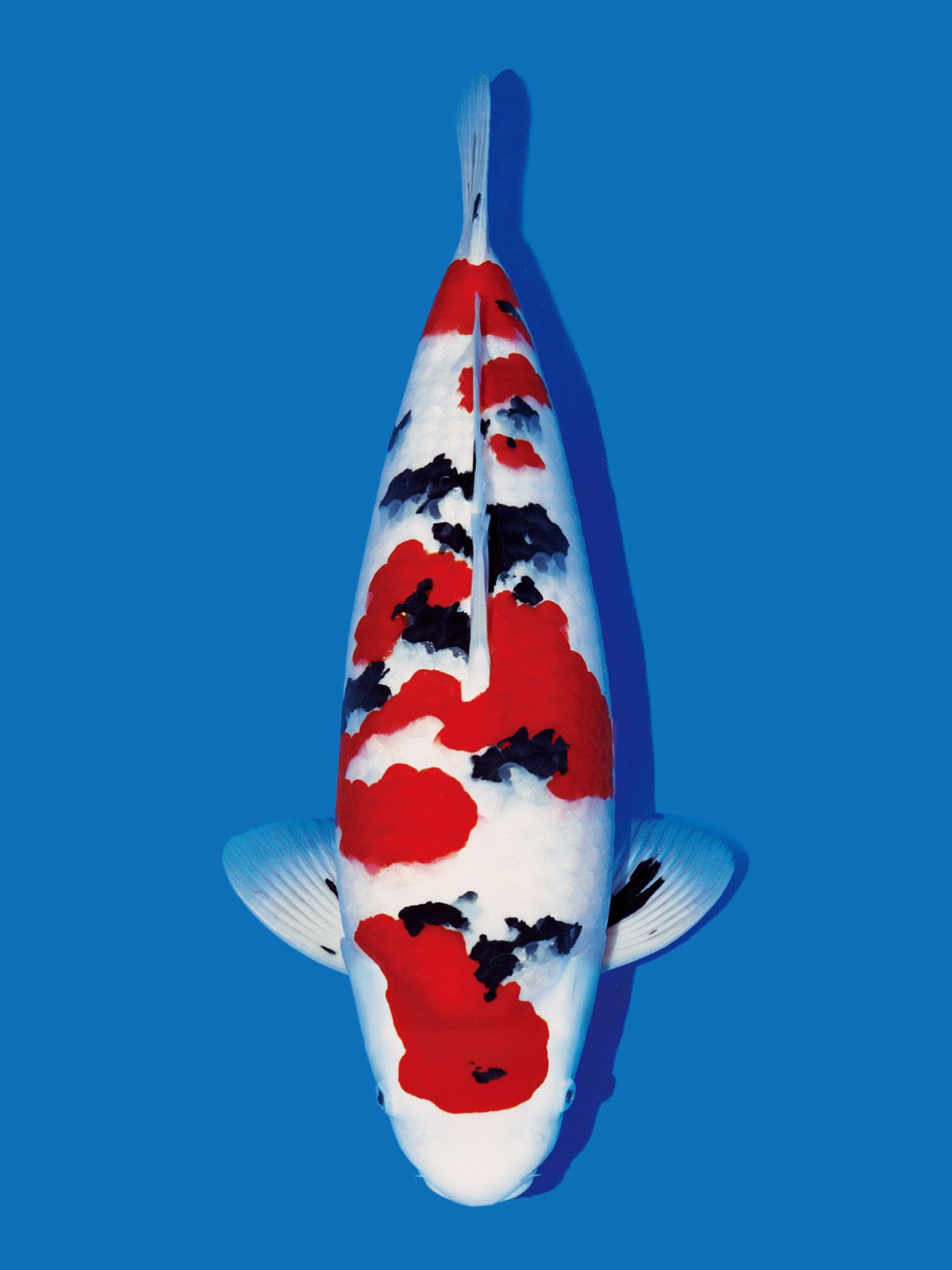
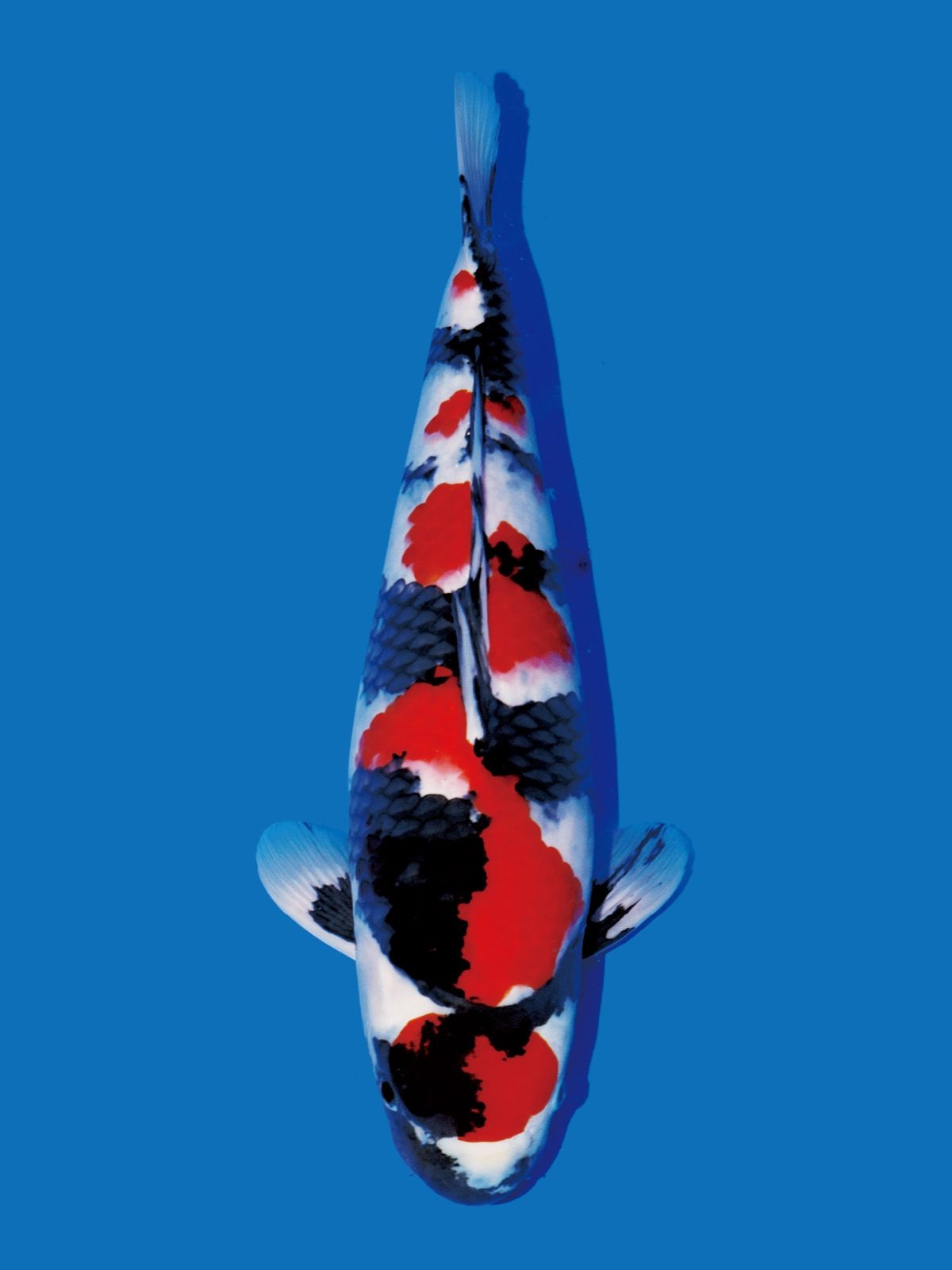
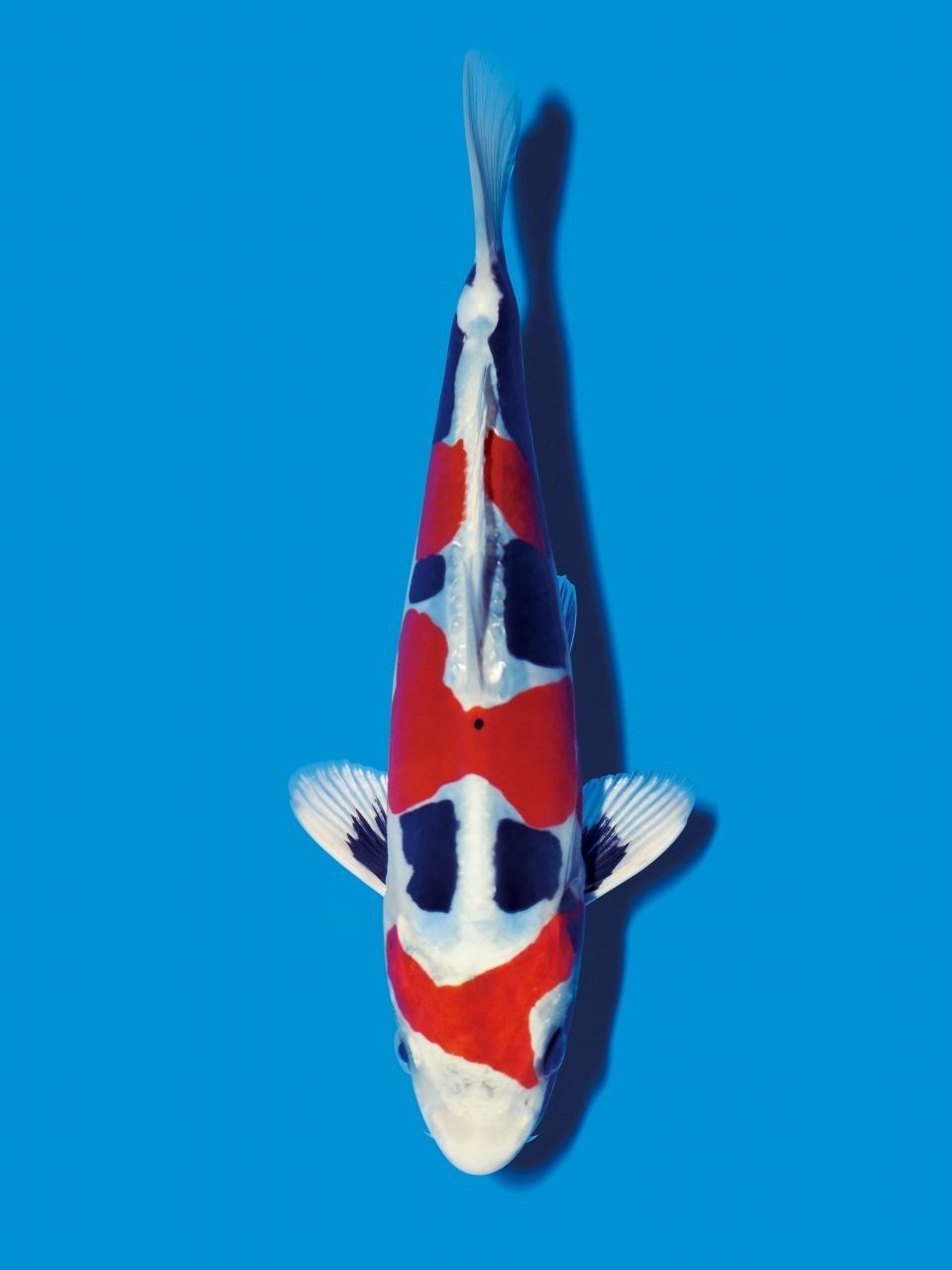
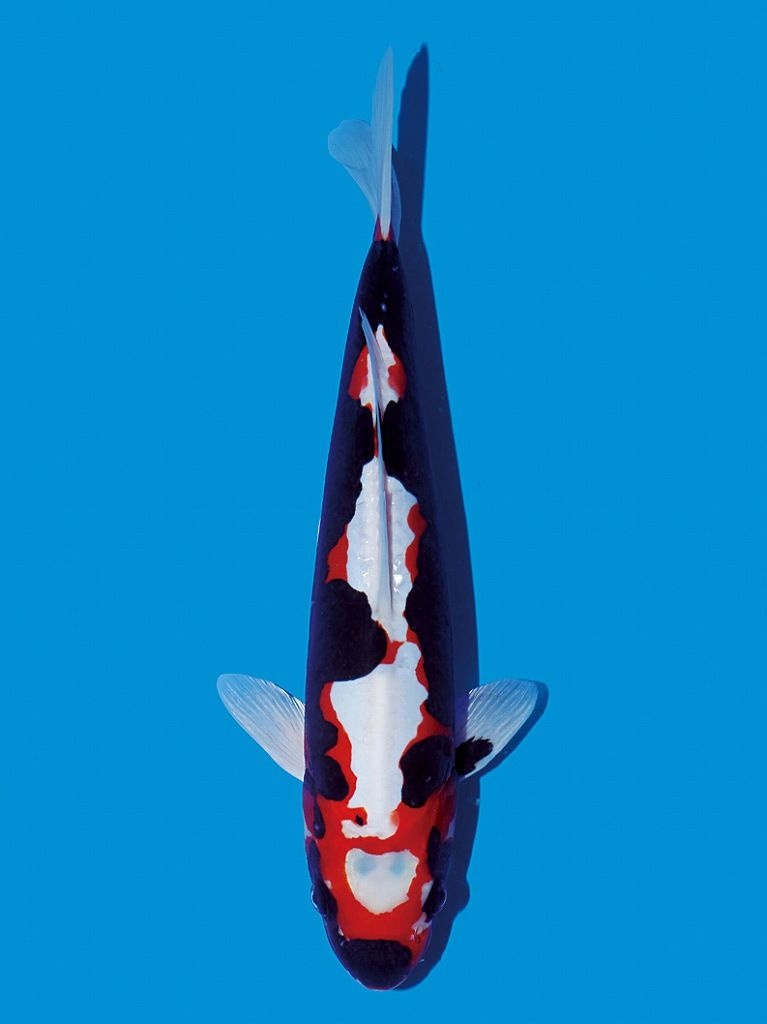
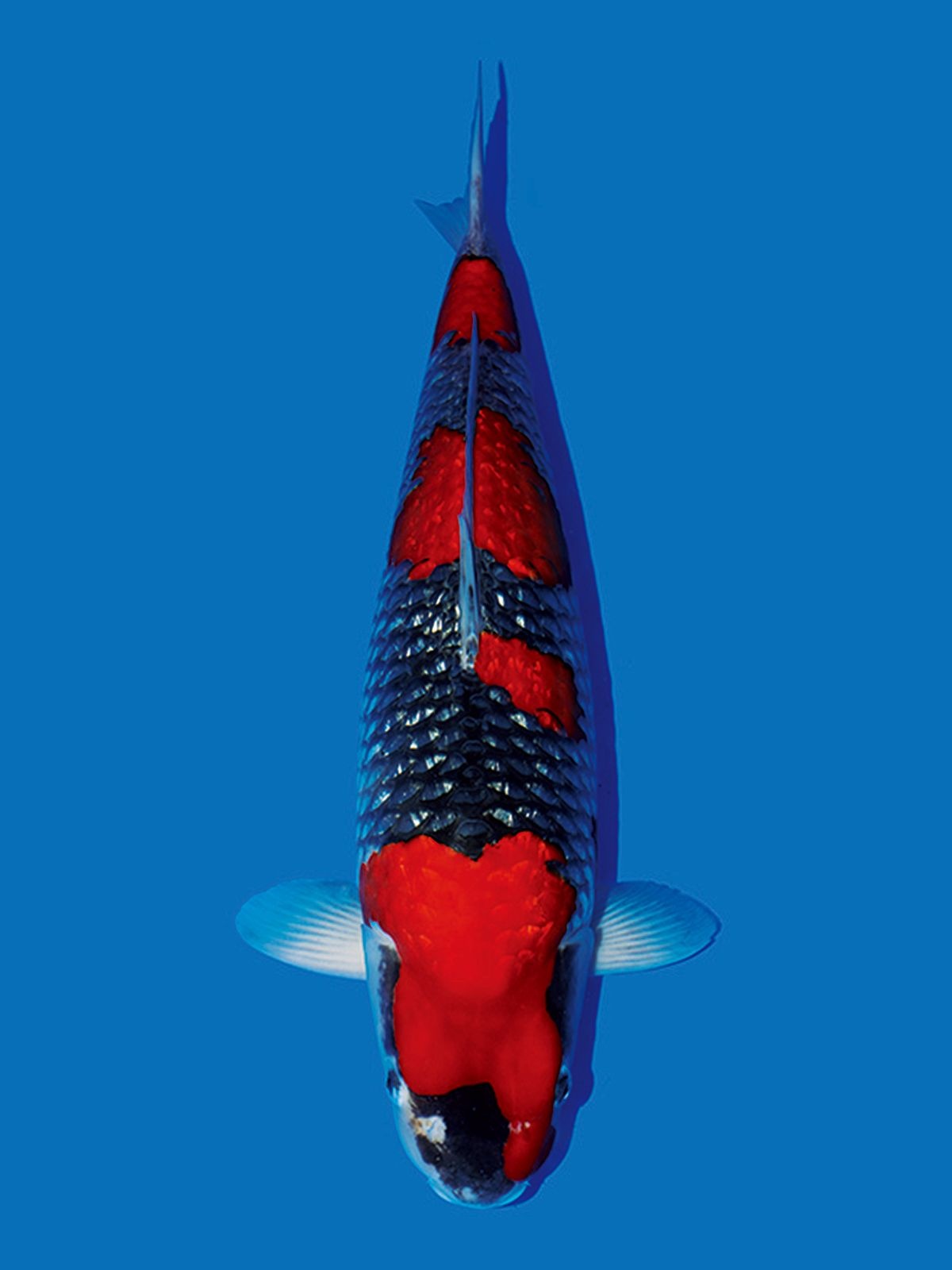
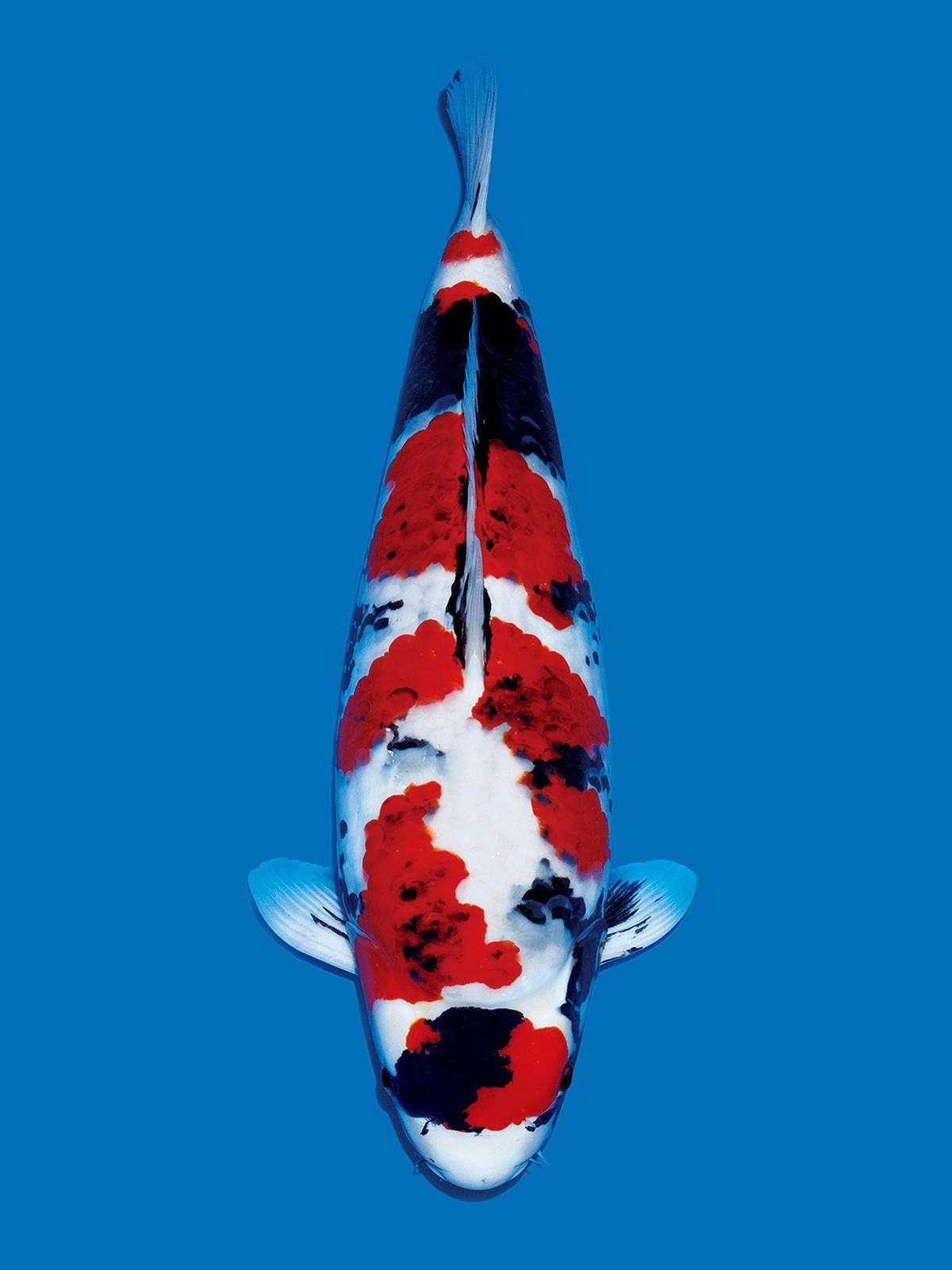
Within the Shinkokai structure, the Miyabi group accommodates the absolute royal classes of koi: the Go Sanke (Kohaku, Sanke, Showa). Because these varieties are regarded as the pinnacle of refinement and the purest tradition within Nishikigoi.
Sakura represents cherry blossom
The Sakura is the national flower of Japan and symbolizes spring, a new beginning, but also the transience of life (as the blossom is beautiful but only blooms for a very short time).
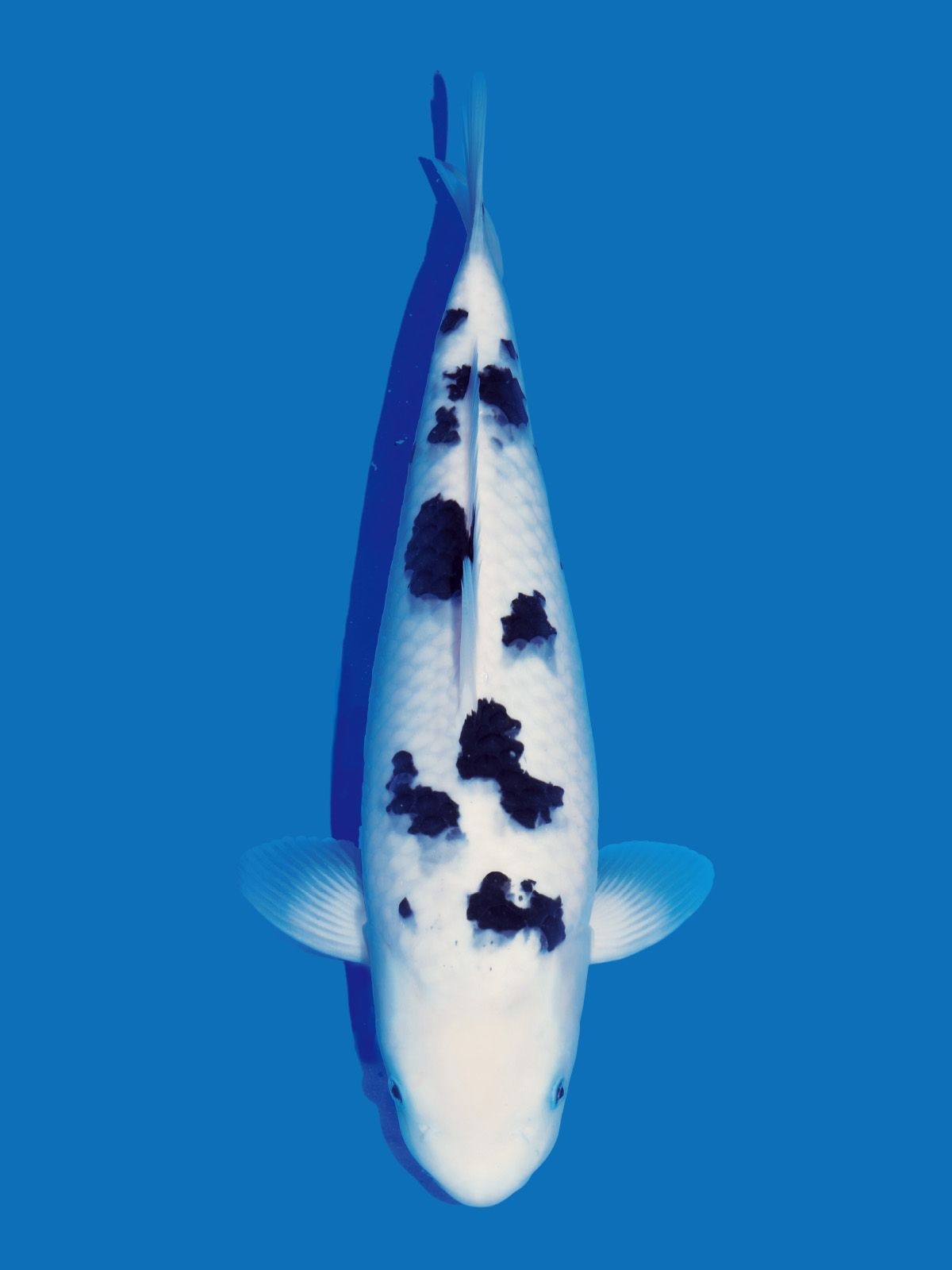
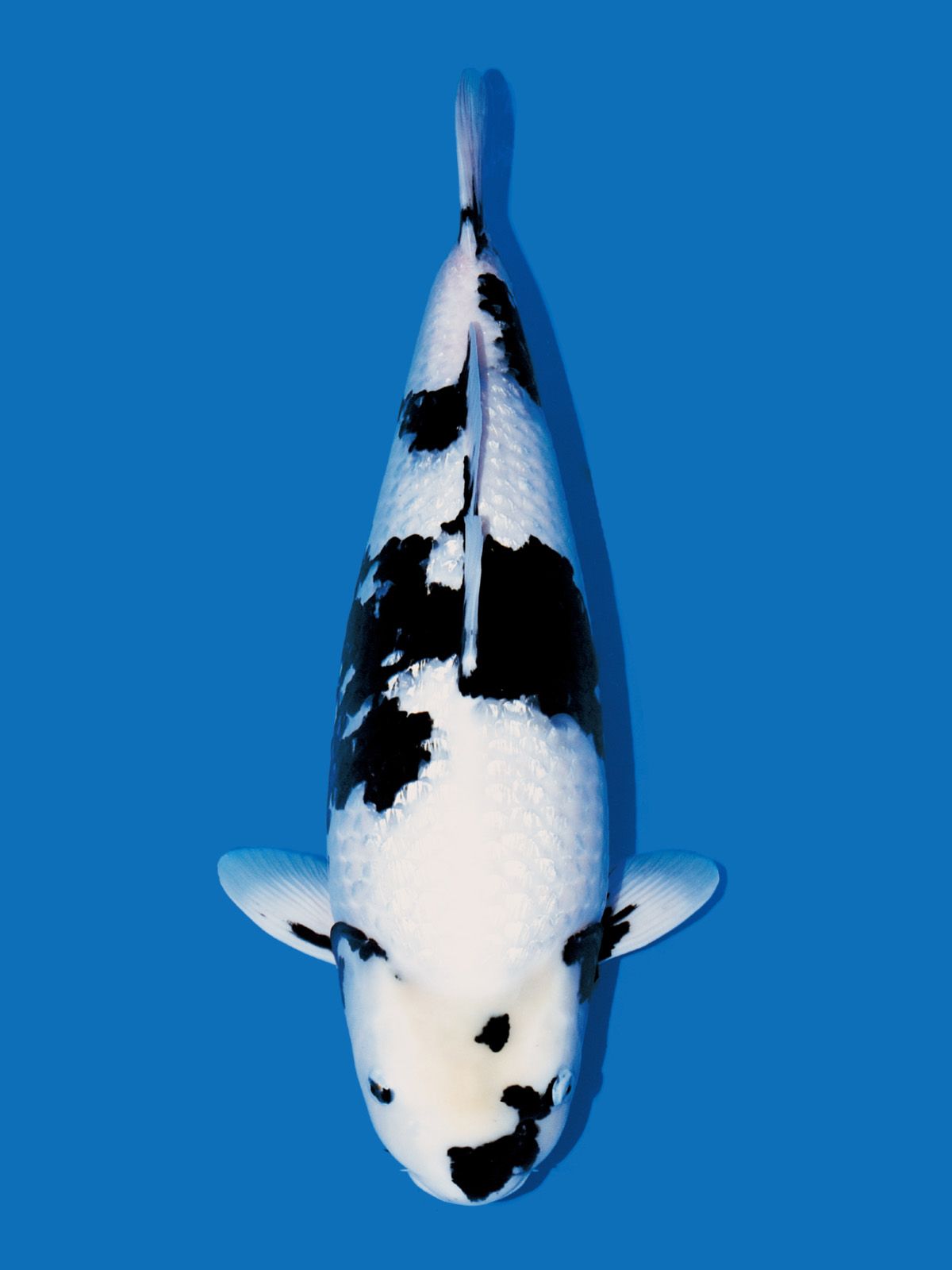
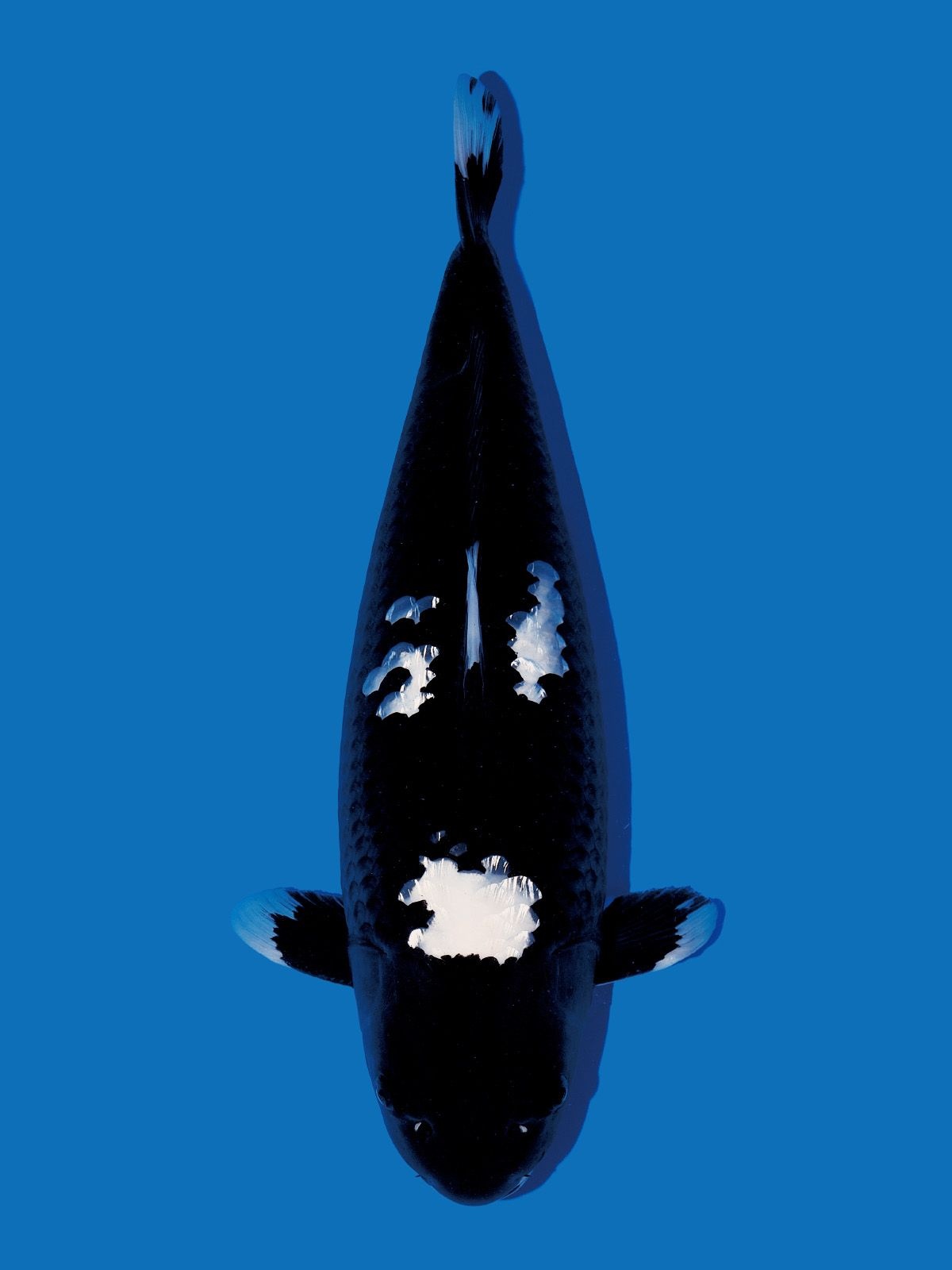
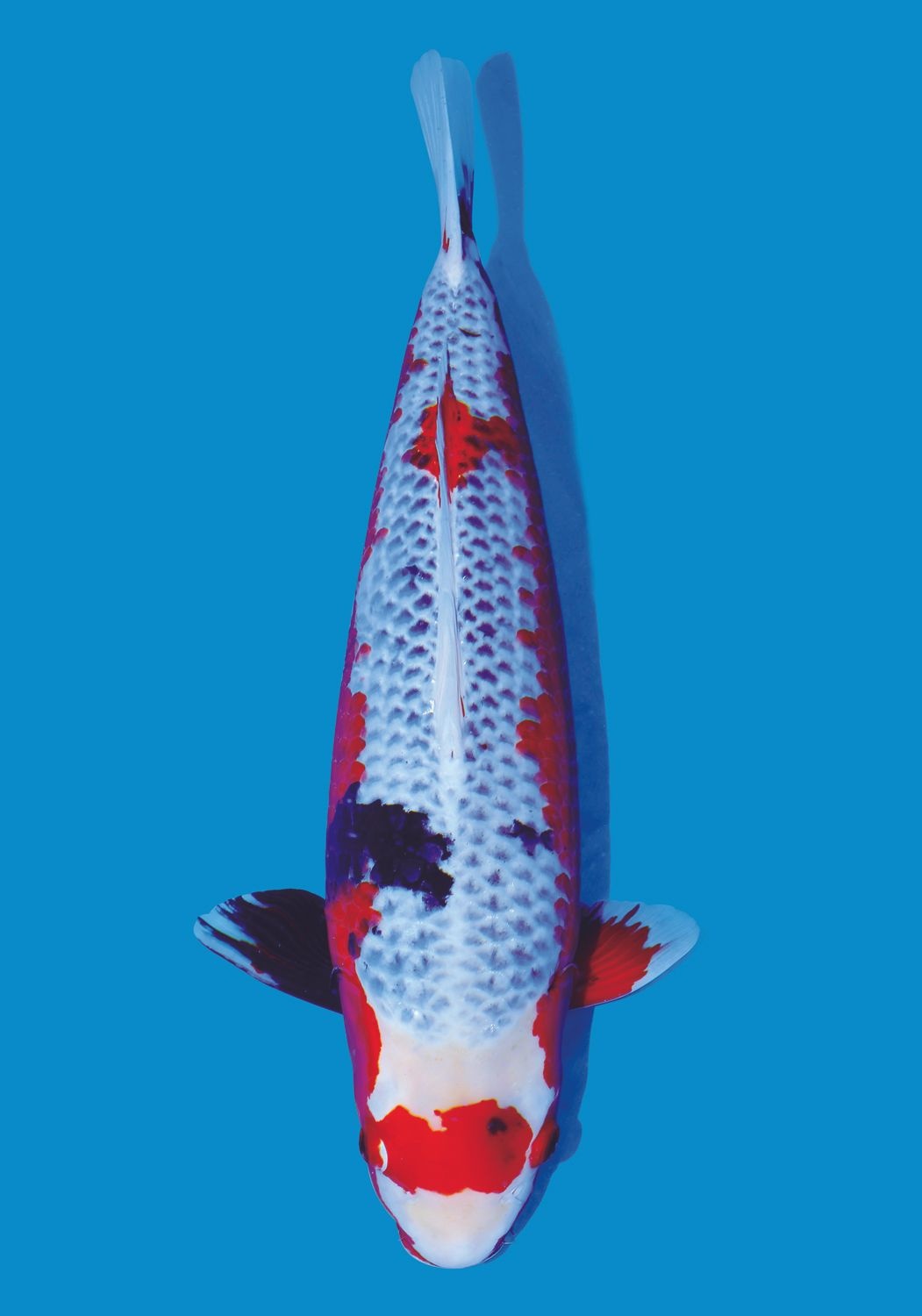
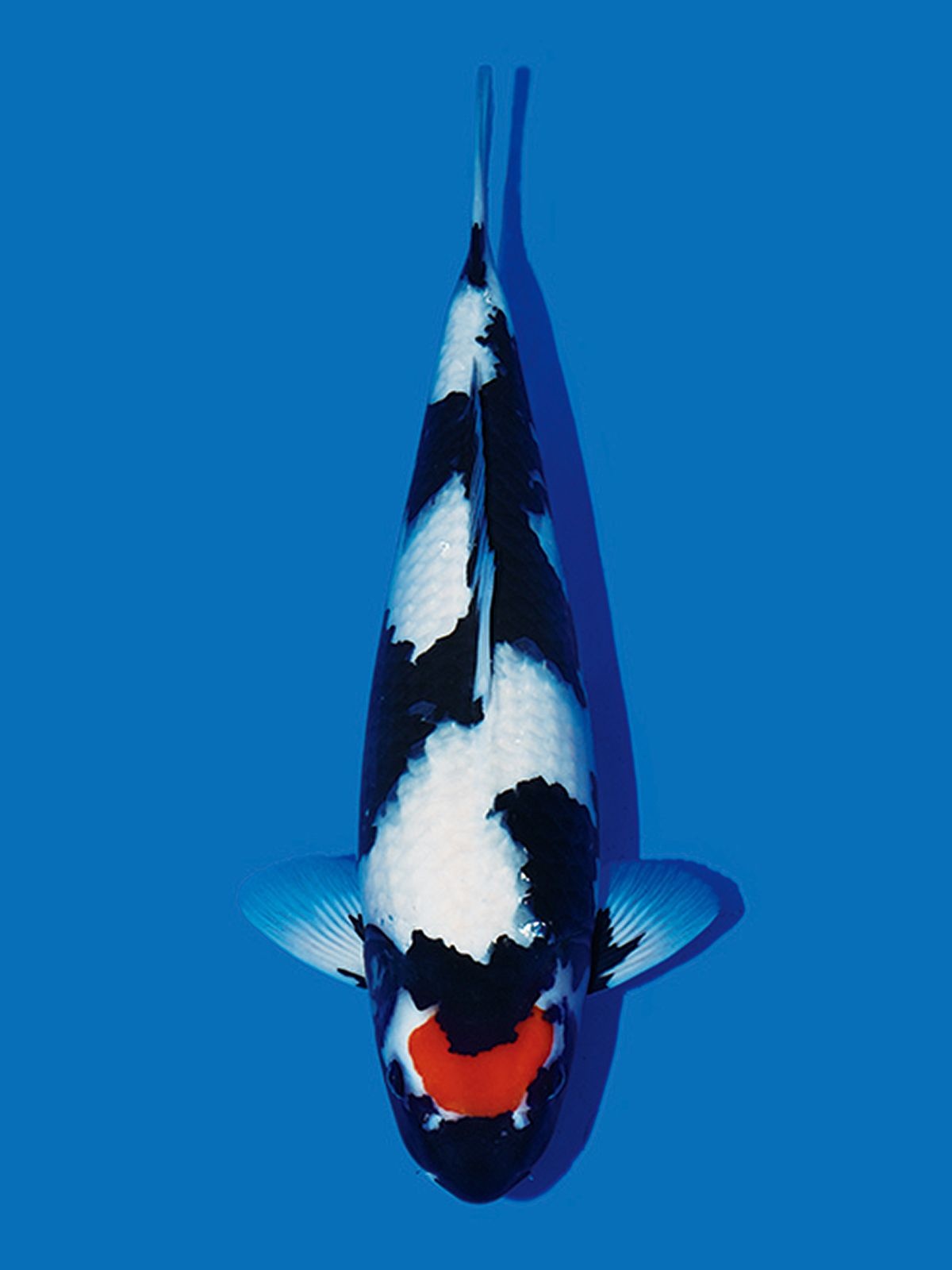
Just as the cherry blossom reflects the heart of Japanese culture, the Sakura group contains varieties that are immensely popular and iconic among hobbyists, such as the Shiro Utsuri and Goshiki.
Tsubaki represents camellia
The Tsubaki (Camellia) is a winter flower known for its strong, sturdy, and perfectly shaped petals. In Japanese culture, the camellia symbolizes divine spirituality, grace, and longevity.
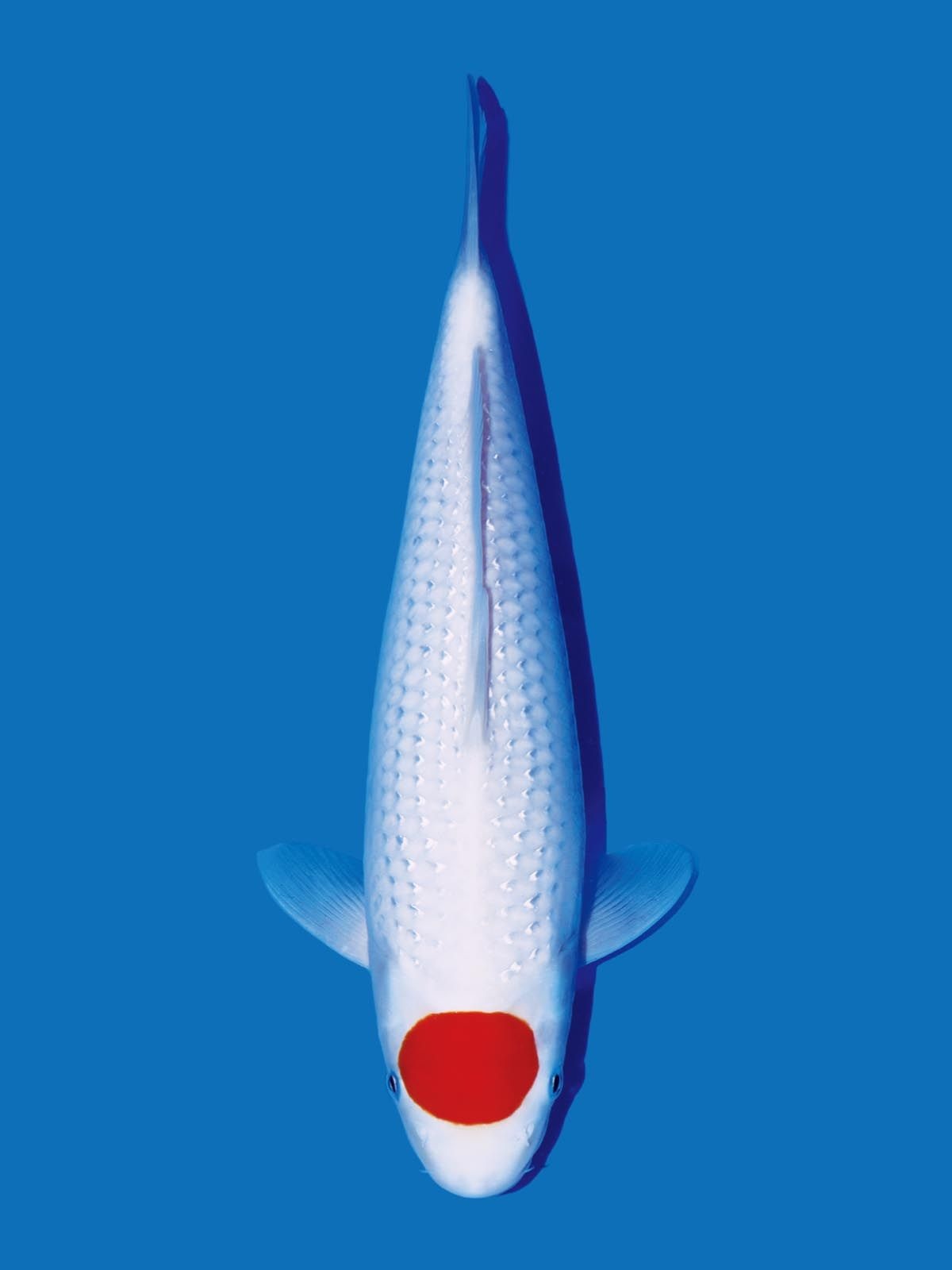
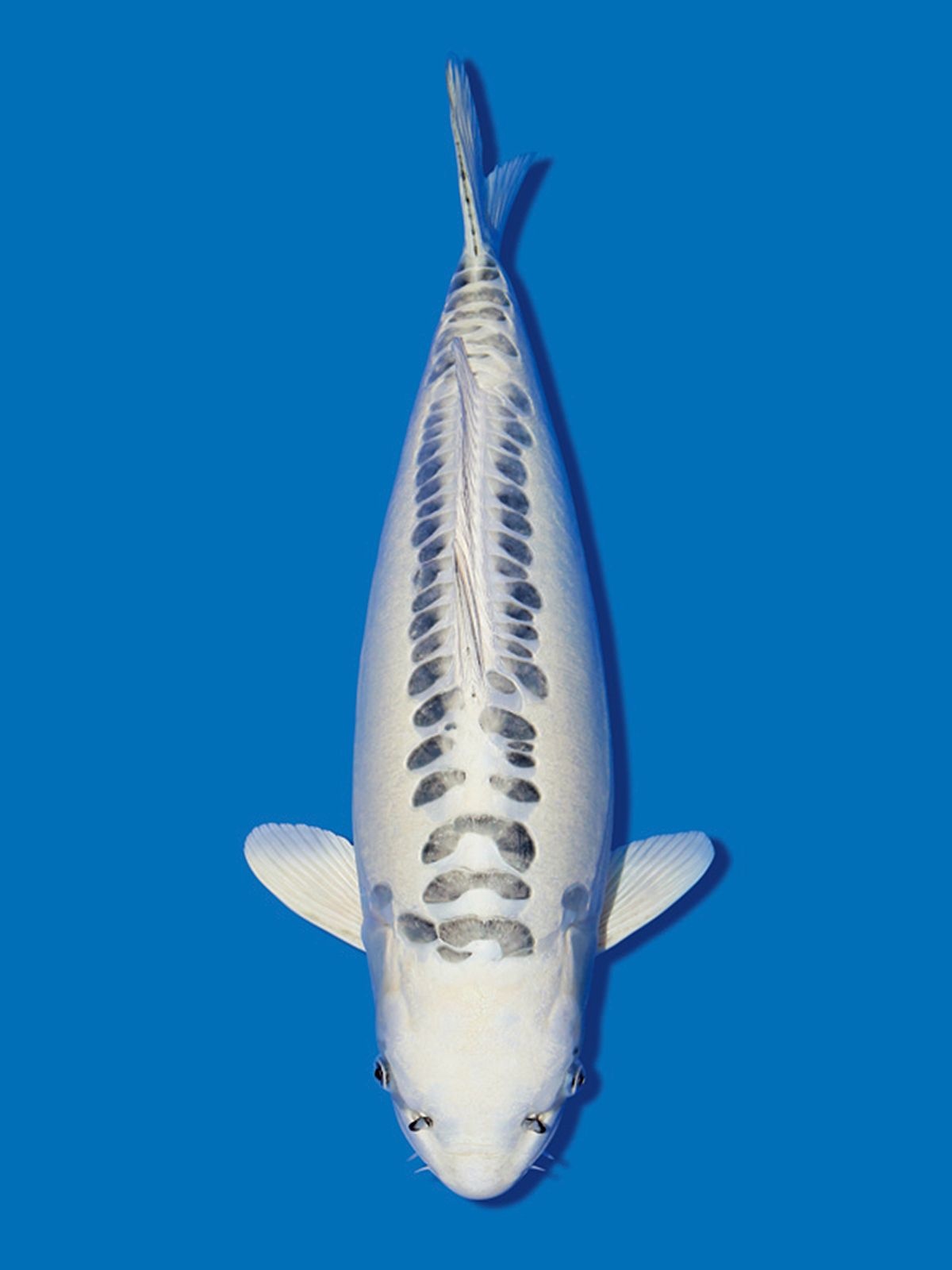
The Tsubaki group often includes the sharp, pattern-oriented varieties and unique crosses (such as Tancho, Hikari Moyomono, or specific Doitsu classes). The perfect symmetry of the Camellia flower reflects the strict requirements imposed on the pattern markings.
Botan represents peony
The Botan (Peony) is known in Japan as the 'King of Flowers'. It is the symbol of regal grandeur, nobility, wealth, prosperity, and overwhelming visual splendor.
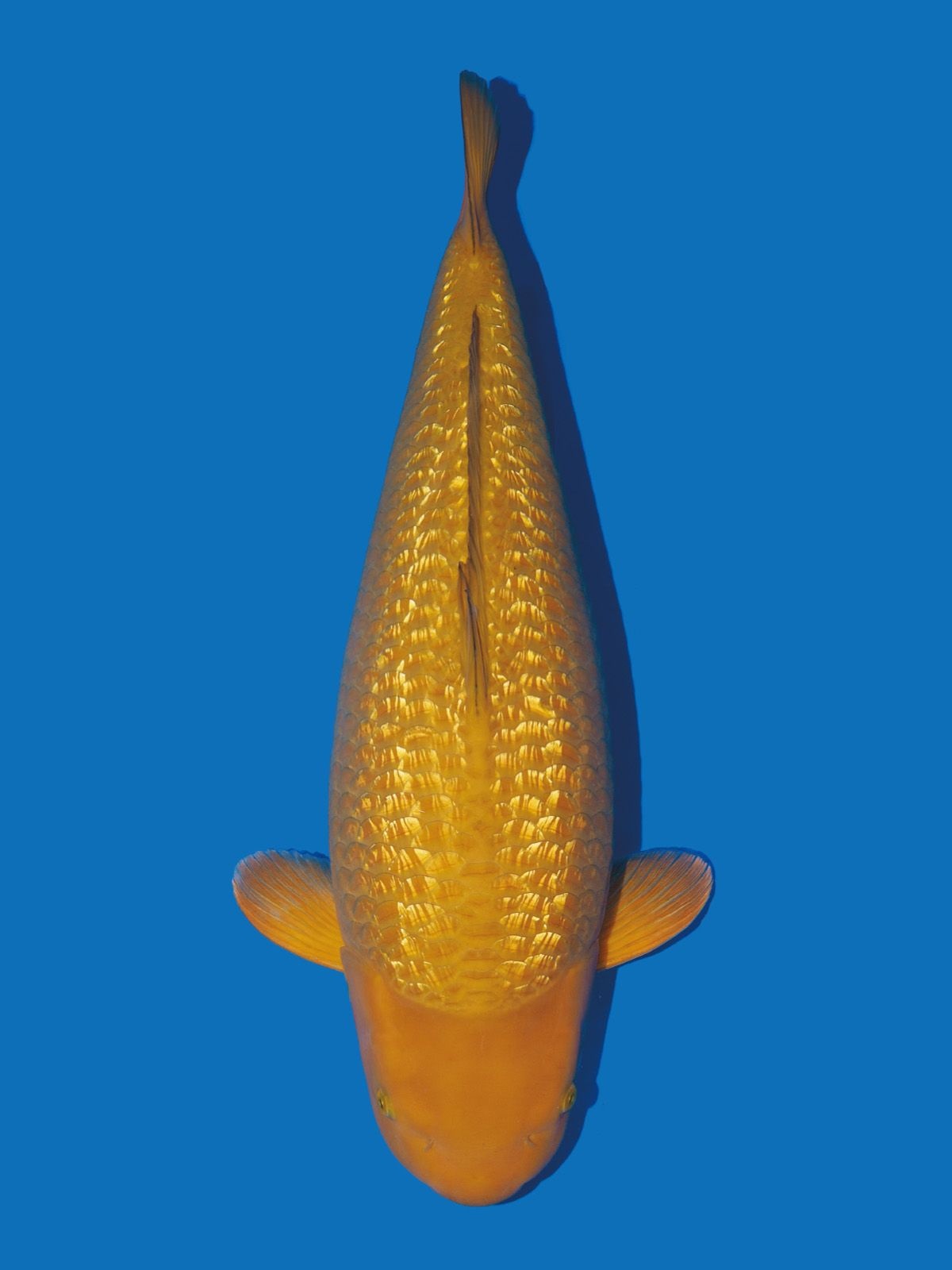
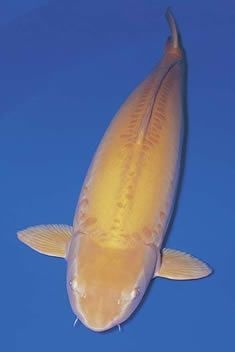
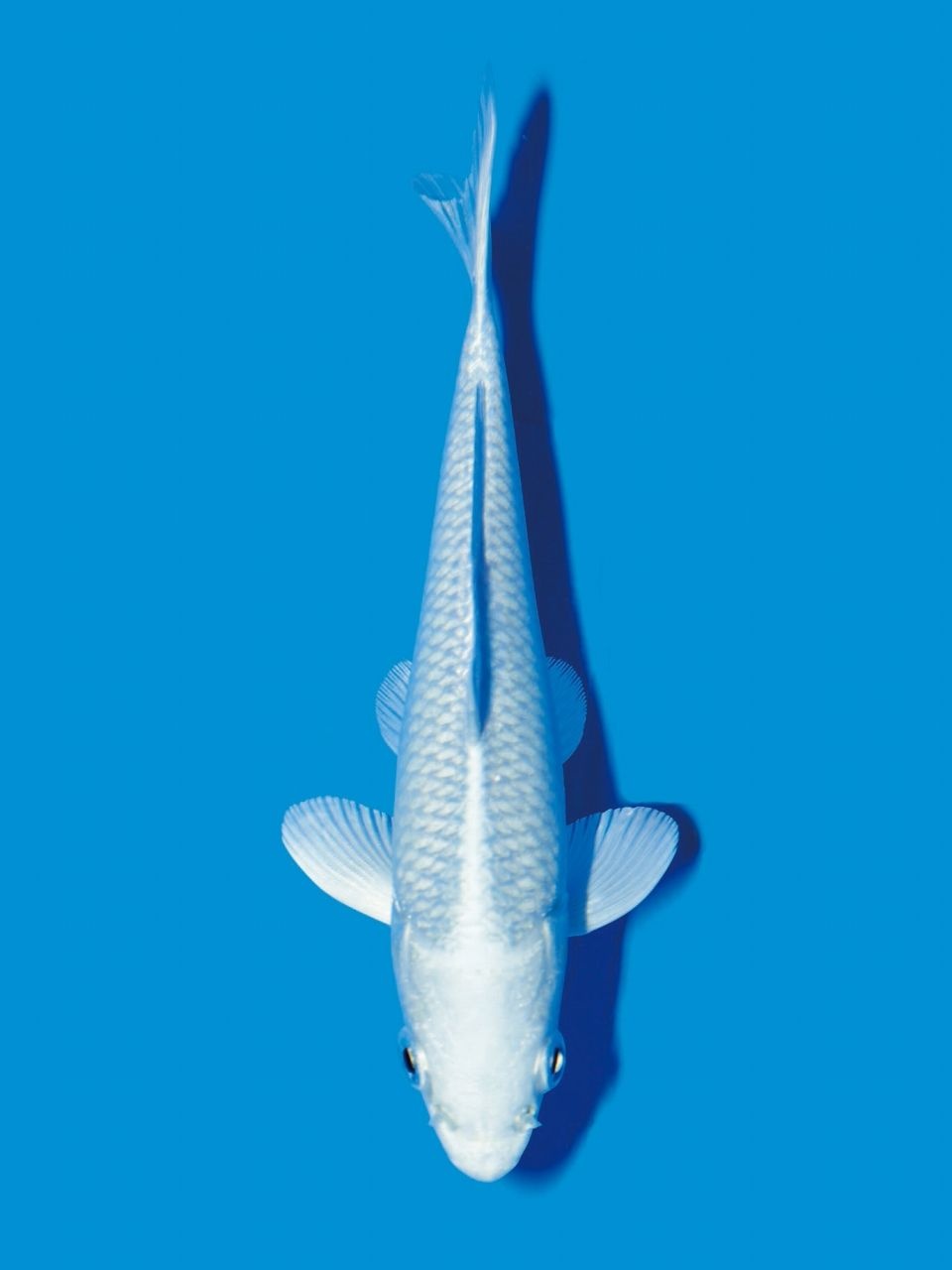
The peony is a large, full flower that instantly commands attention. Within the Shinkokai, the Botan group is associated with varieties that excel in striking visual impact, deep colors, or a metallic sheen (such as the Hikarimuji classes).
So which showclass (variety) belongs to which (flower)group
1 – The Myiabi group
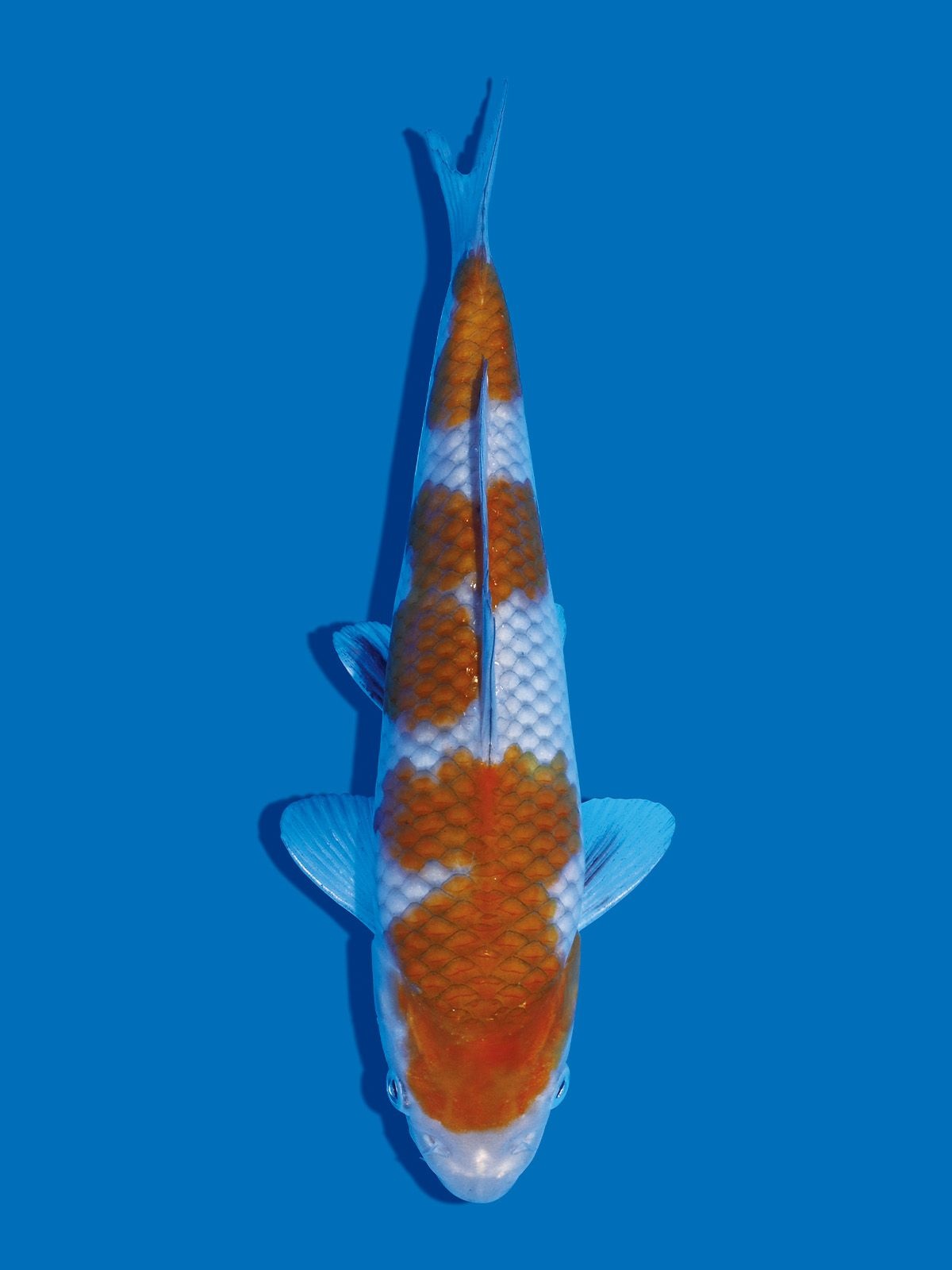
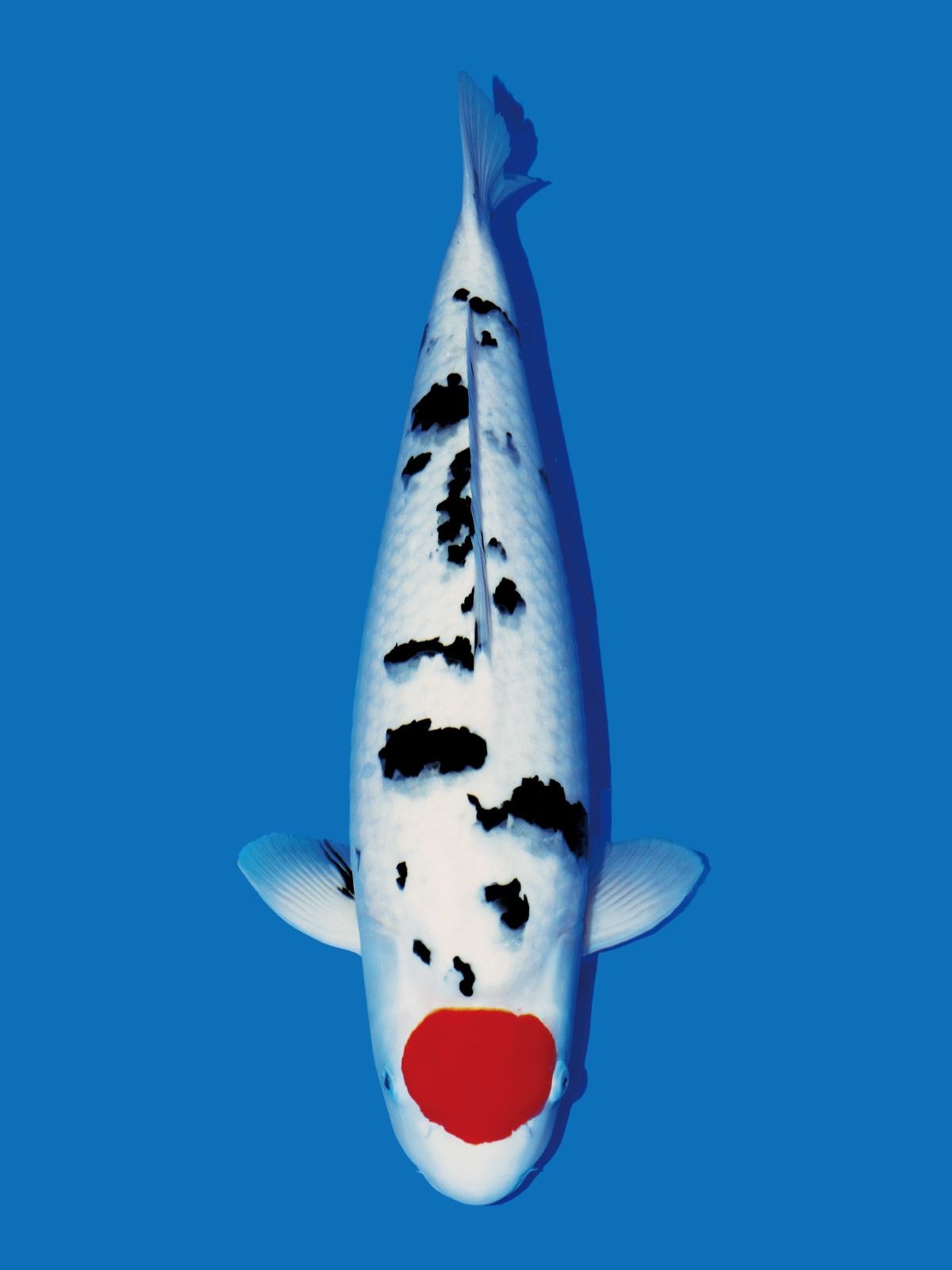
Show Classes: Kohaku, Sanke, and Showa
2 – The Sakura (Cherry blossom) Group
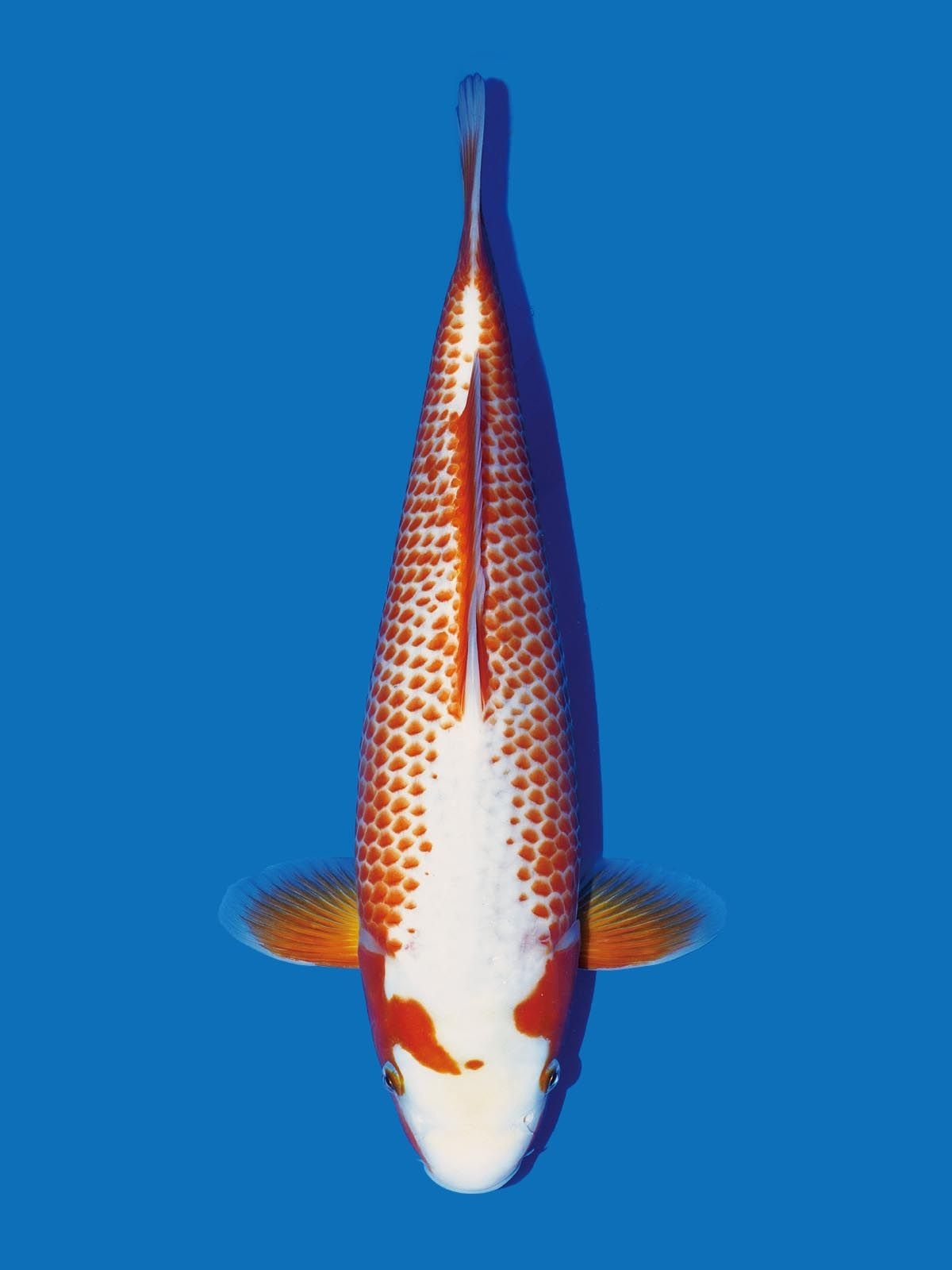
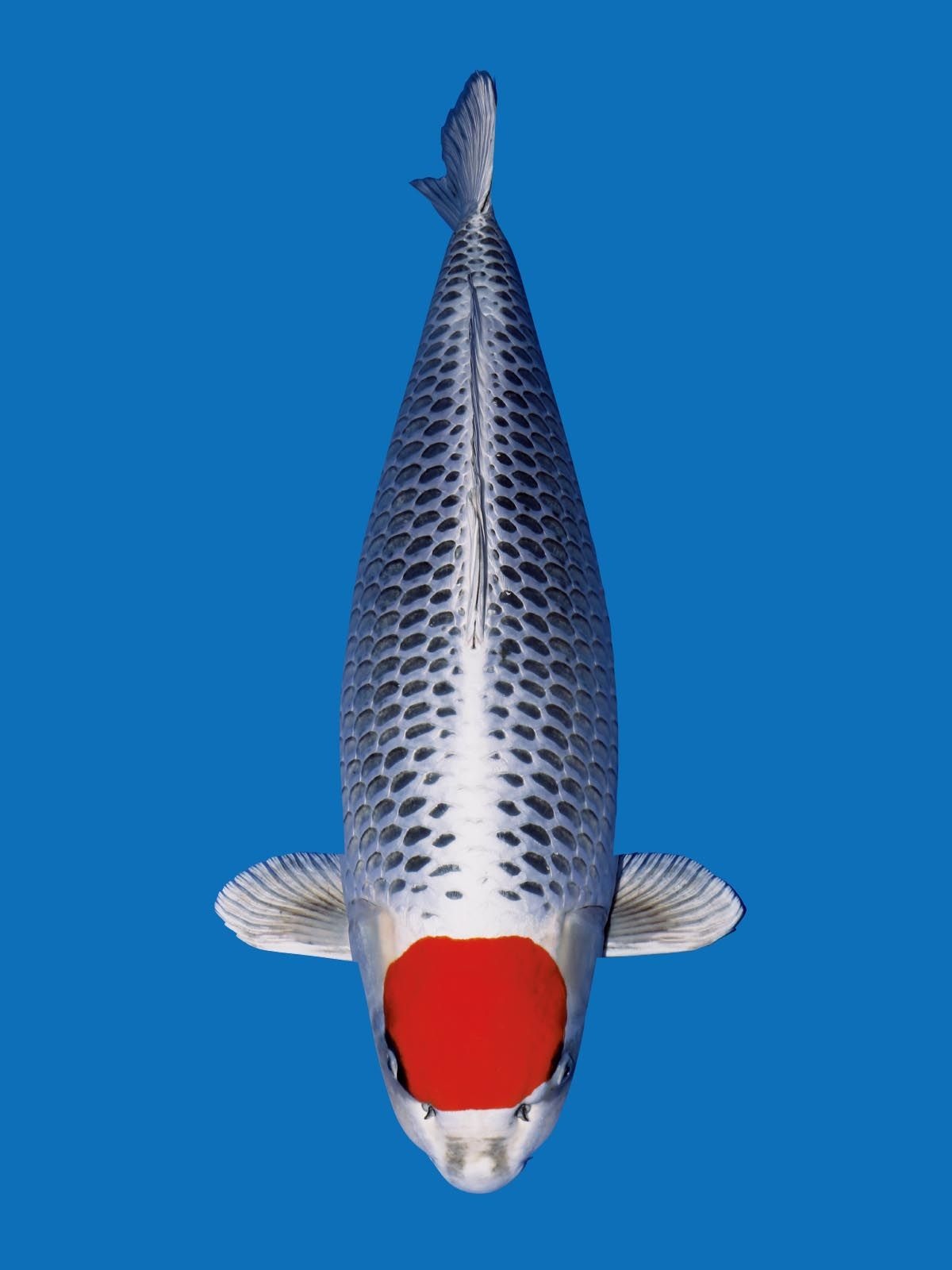
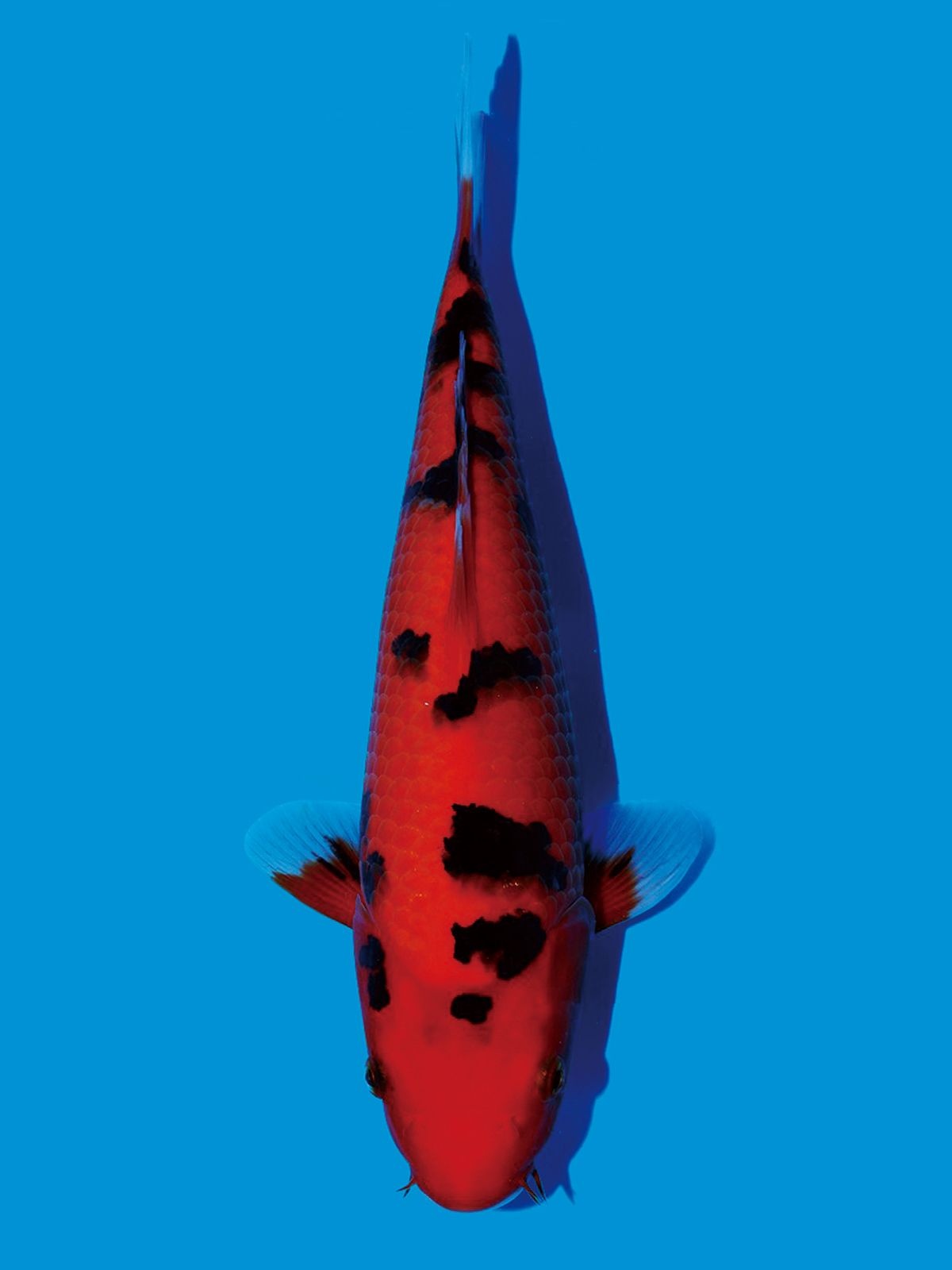
Show Classes: Shiro Utsuri, Goshiki (including Goshiki Sanke and Goshiki Showa), Kin Gin Rin A, Kin Gin Rin B and Kujaku.
3 – The Tsubaki (Camelia) Group
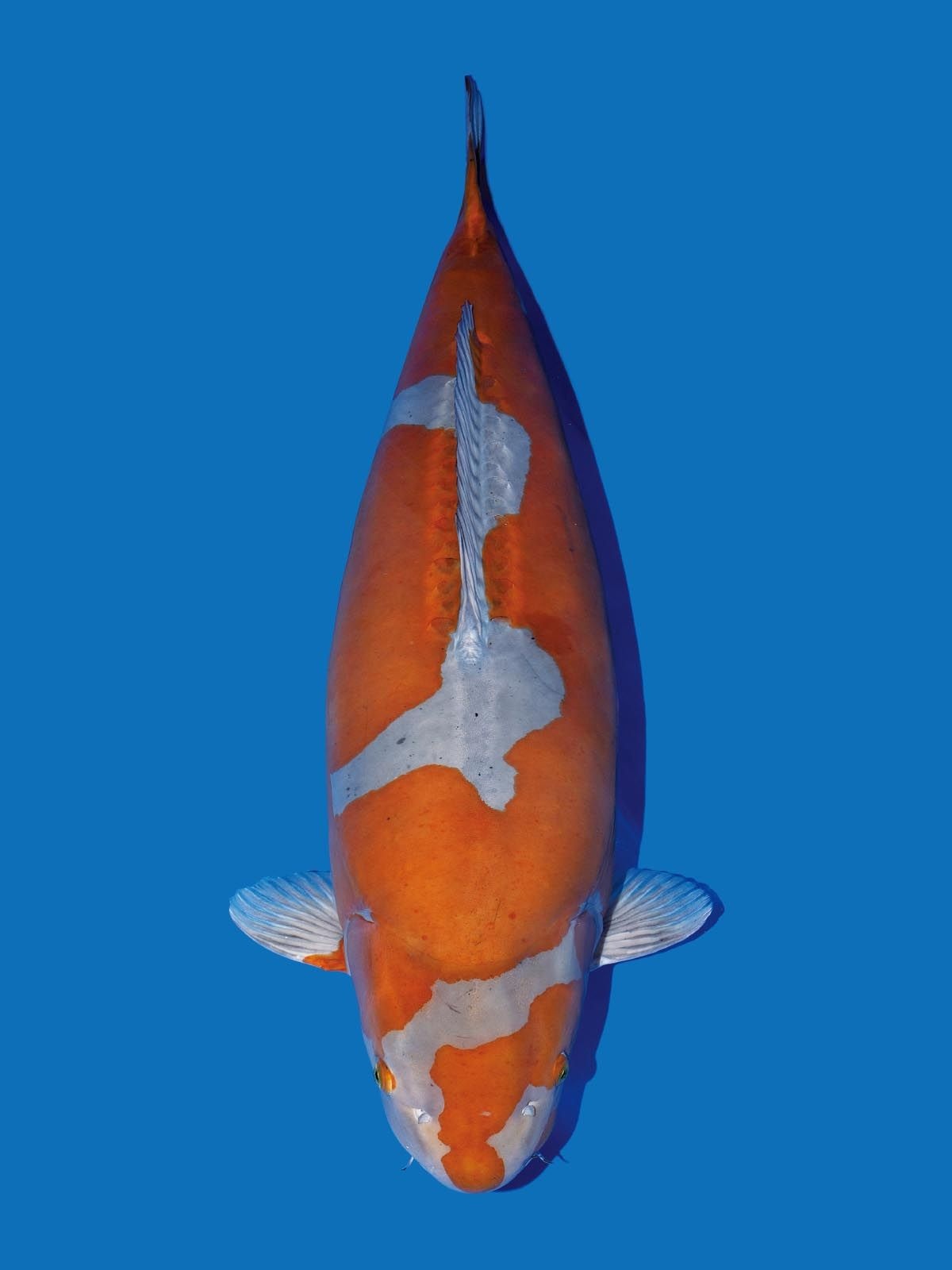
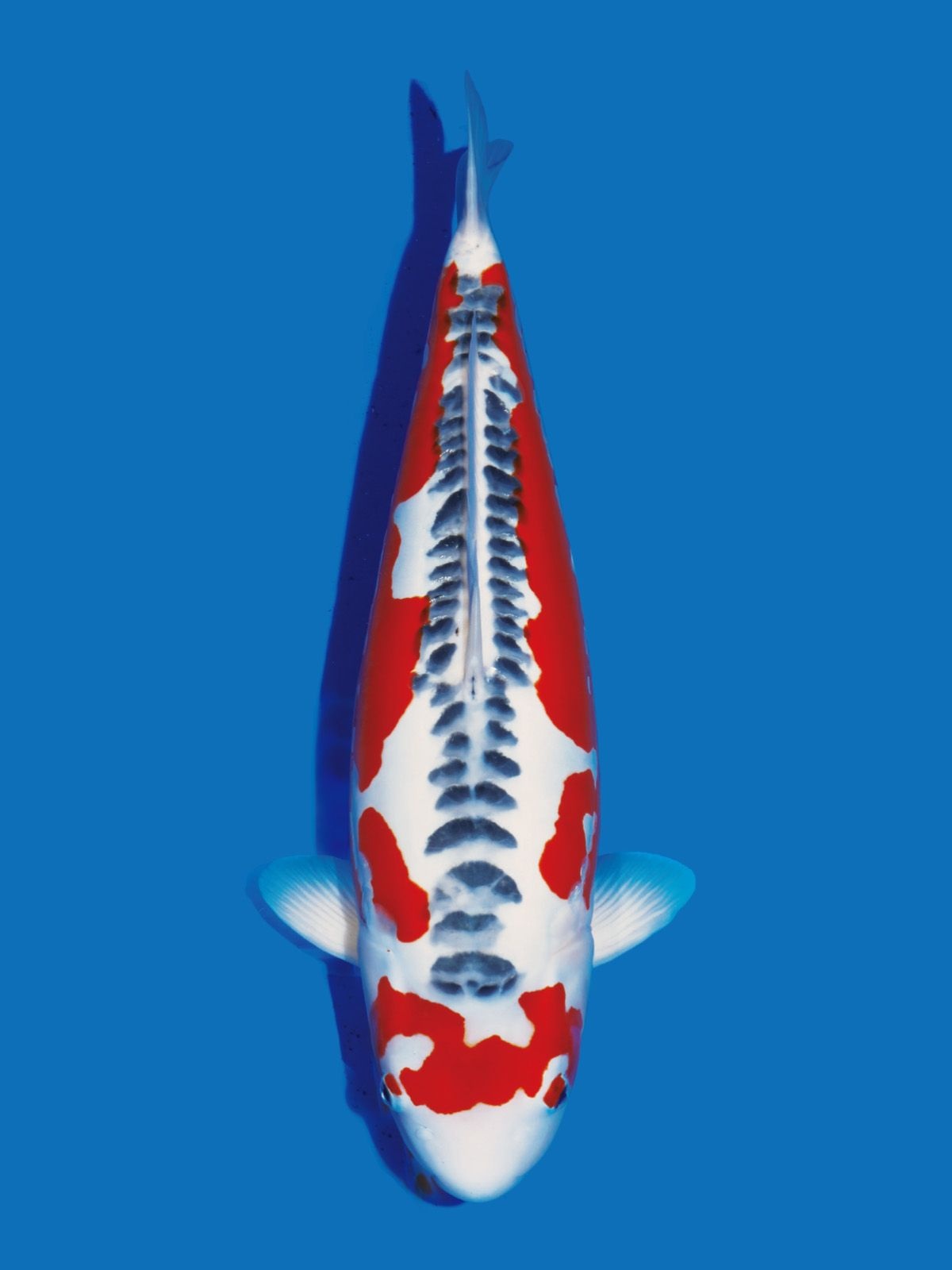
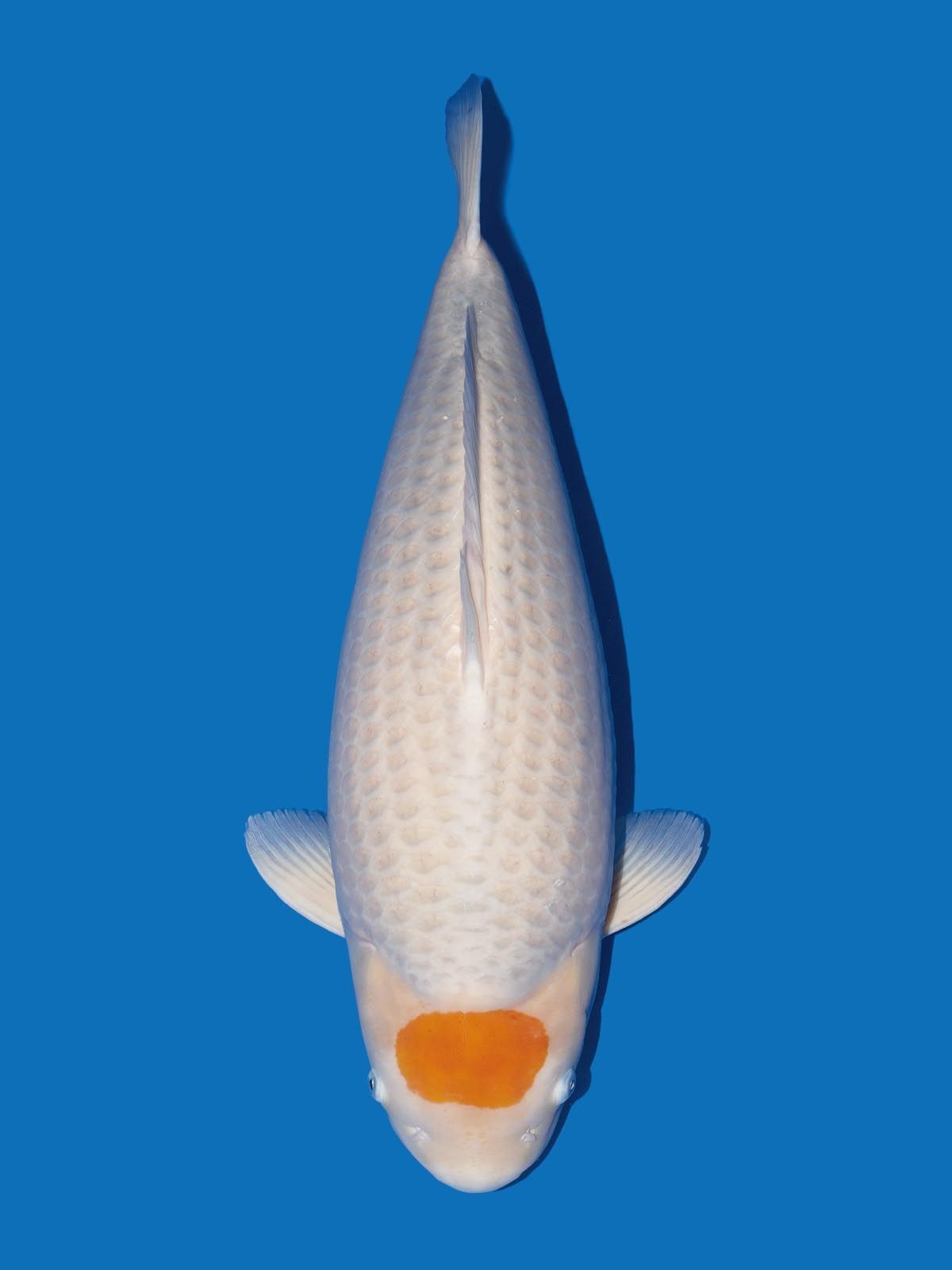
Show Classes: Kawarimoyo (all patterned koi), Doitsu (excluding Shusui), Hikari moyo (all patterned metallic koi), Koromo (including Goromo Sanke and Goromo Showa), Tancho (Only kohaku, Sanke, Showa and Goshiki including their GinRin versions)
4 – The Botan (Peony) Group
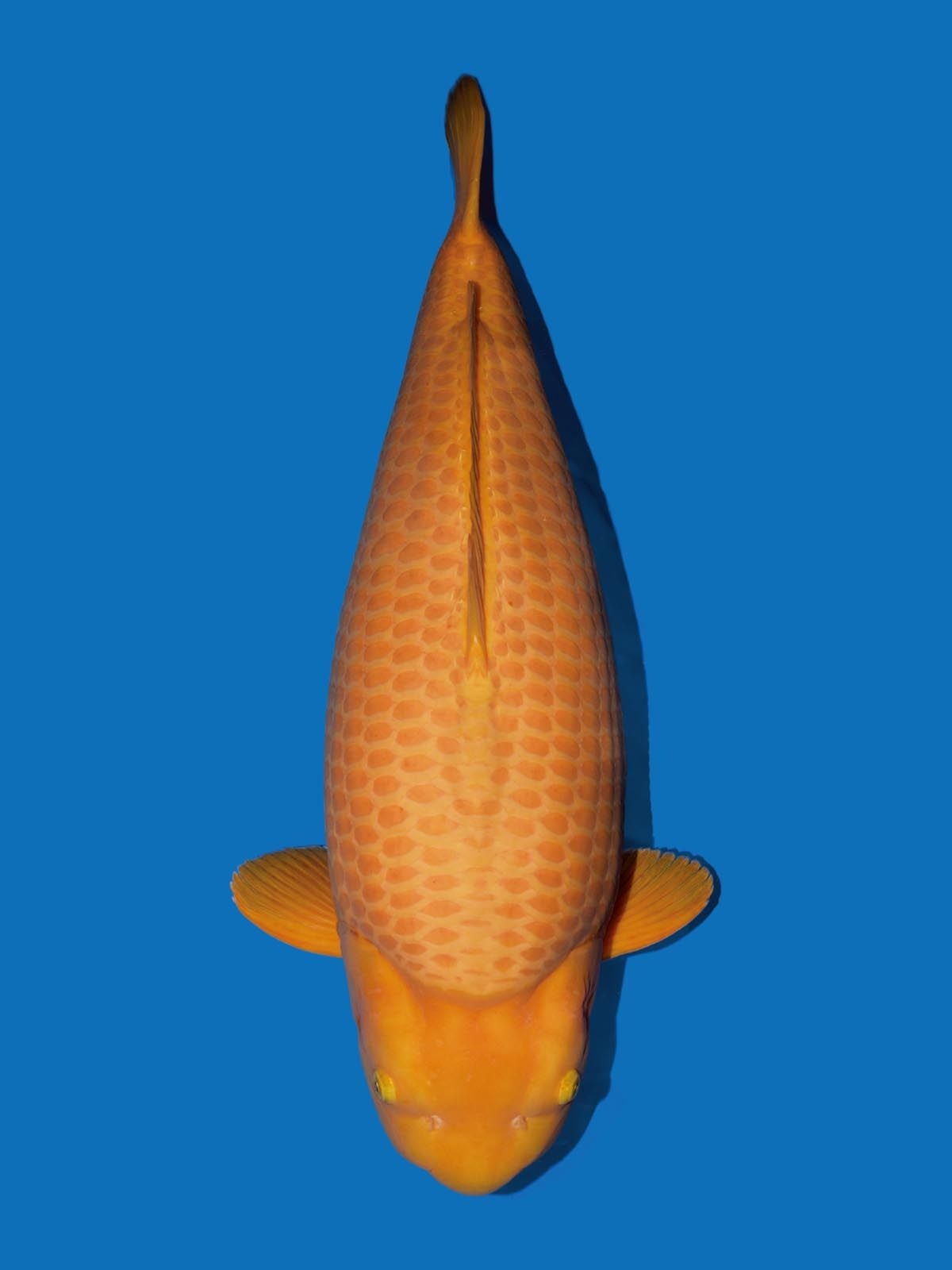
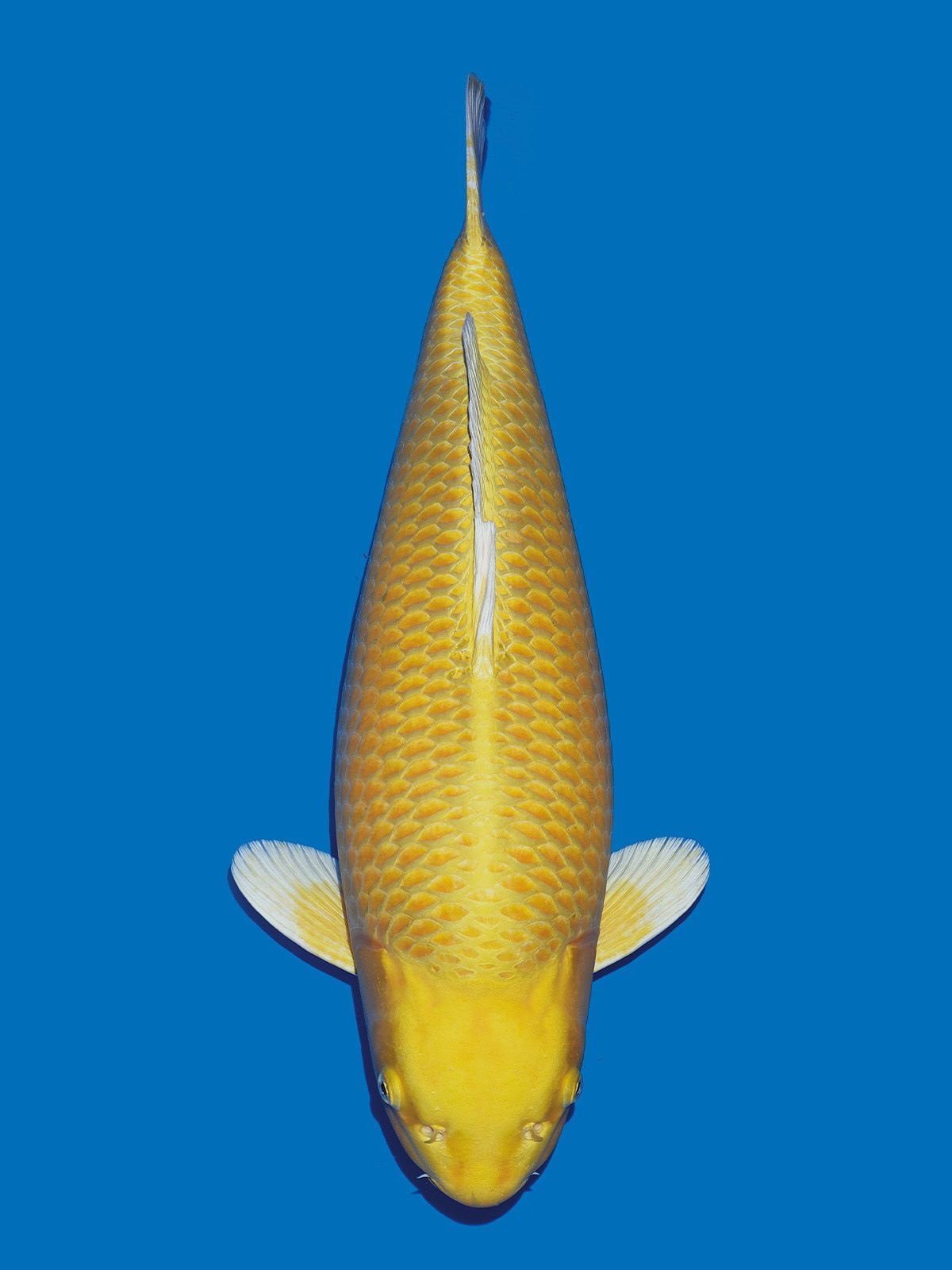
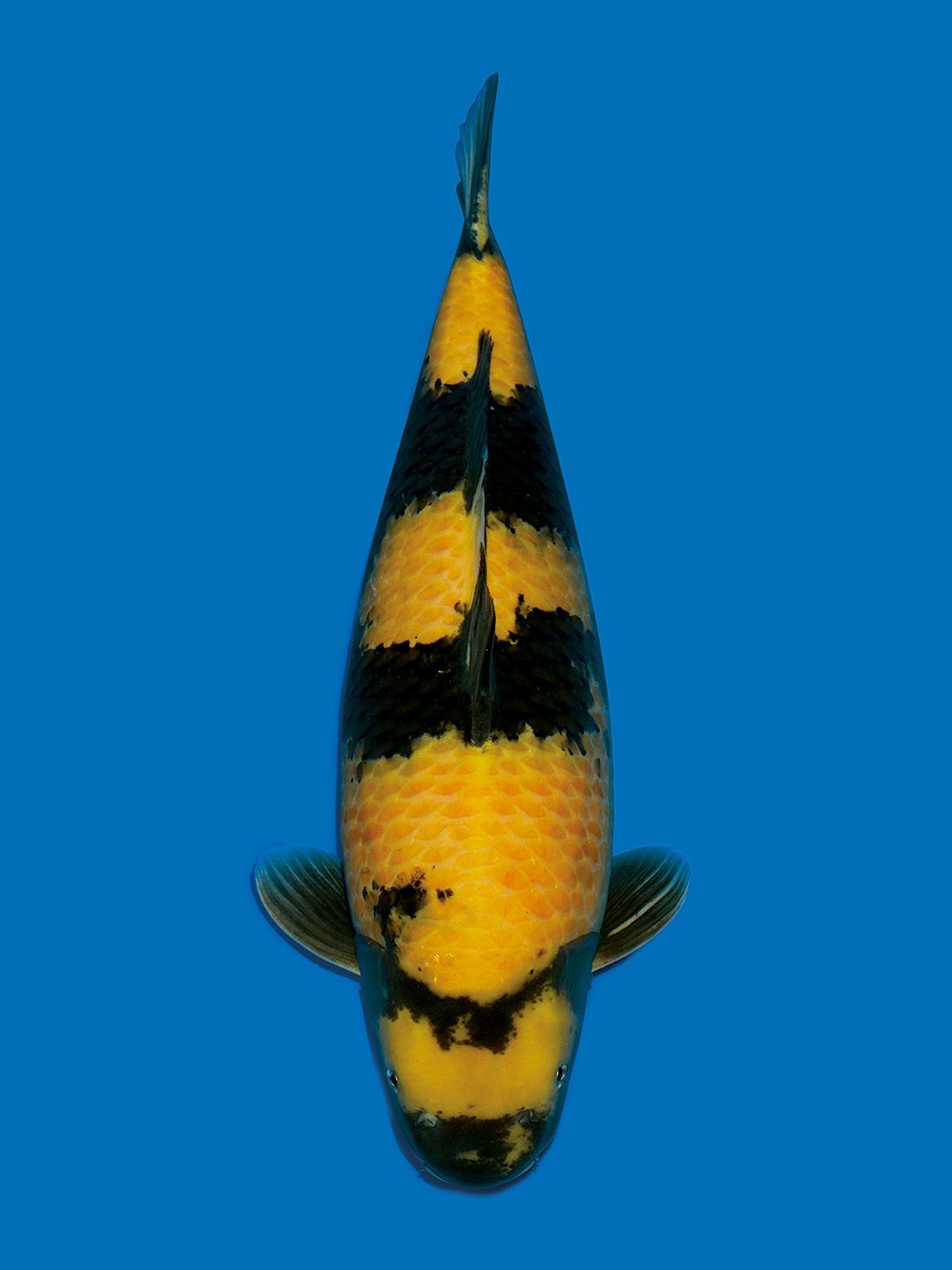
Show Classes: Hikari muji (non patterned metallic koi), Asagi, Shusui, Bekko, Hi Utsuri / Ki Utsuri, Kawarimuji (non patterned koi)
Classification Hierarchy
Metallic takes precedence over Doitsu.
Metallic Doitsu goes into regular Hikari.
Images courtesy of and copyright by Narita Koifarm and AI generated