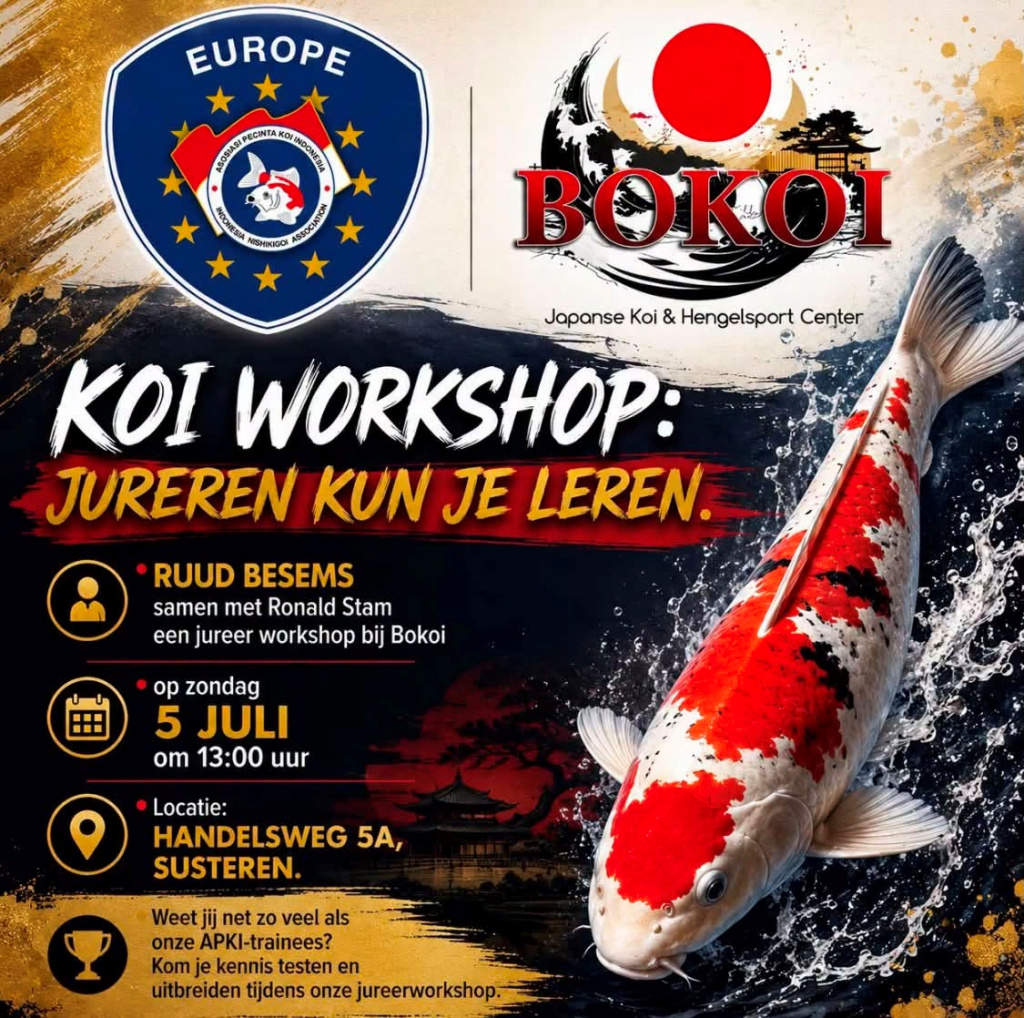
Day 7 of the APKI Judging Course – with thanks to Bokoi Susteren
Sunday, July 5 marked the third training day of the APKI Judges' Education Program.
As is customary, this session was held at a dealer's premises: theory in the morning, practical judging in the afternoon. It's a format that is not only educational but also provides an excellent opportunity to visit renowned koi dealers and experience the quality of their collections firsthand.
This time we were guests at Bokoi in Susteren. Although I had never visited before, the name Bokoi hardly needs an introduction within the koi hobby. With an impressive track record at numerous koi shows, expectations were naturally high. What level of quality would we find in the bowls today?
Upon arrival, we received a warm welcome from Frank and his mother
There was also plenty of time to explore the shop while enjoying an excellent cup of coffee. In addition to koi and koi supplies, Bokoi offers a very extensive range of fishing rods and angling equipment. If you're looking for something special, this is definitely the place to visit.
Another eye-catching feature was a table overflowing with trophies—large and small—won at koi shows during 2026. The impressive collection of awards clearly demonstrated that Bokoi's success is not built on just a handful of outstanding fish, but on consistently presenting quality across its entire collection. And according to Frank, there are plenty more trophies yet to come...
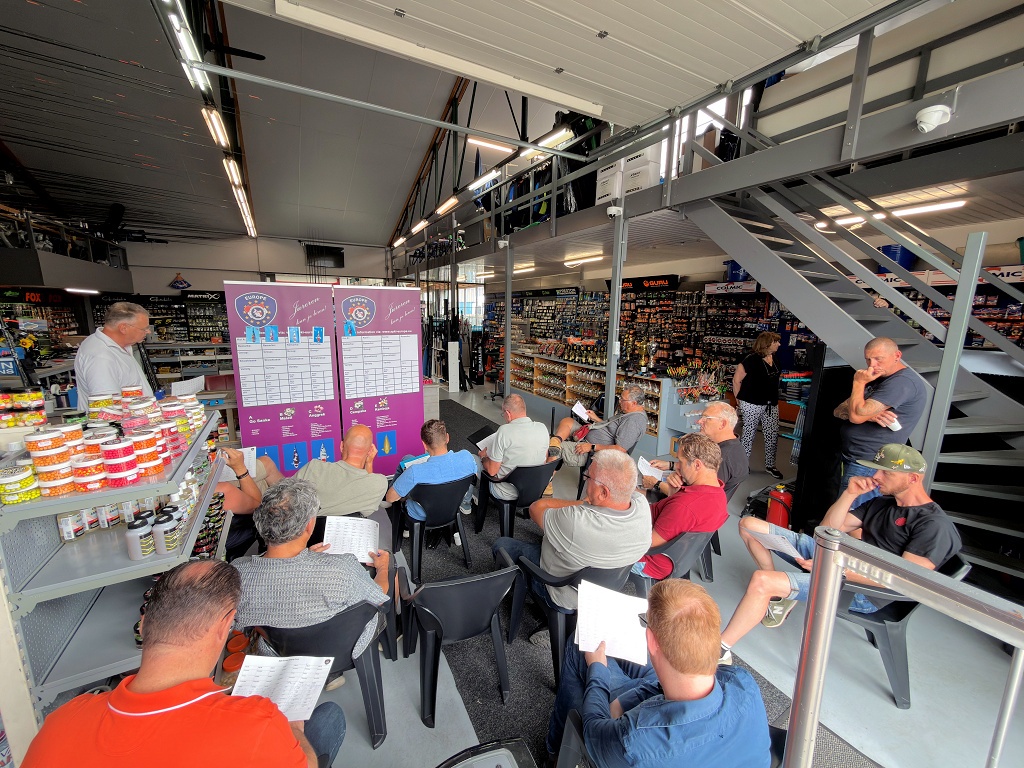
The day starts with theoretical exercises
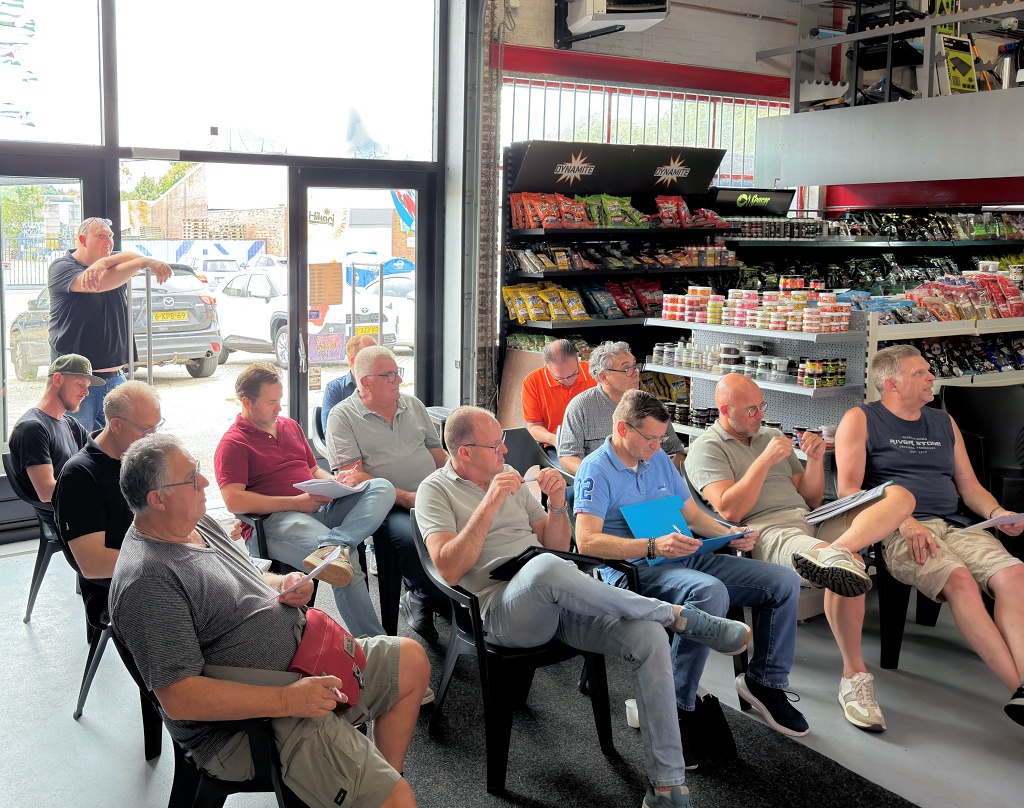
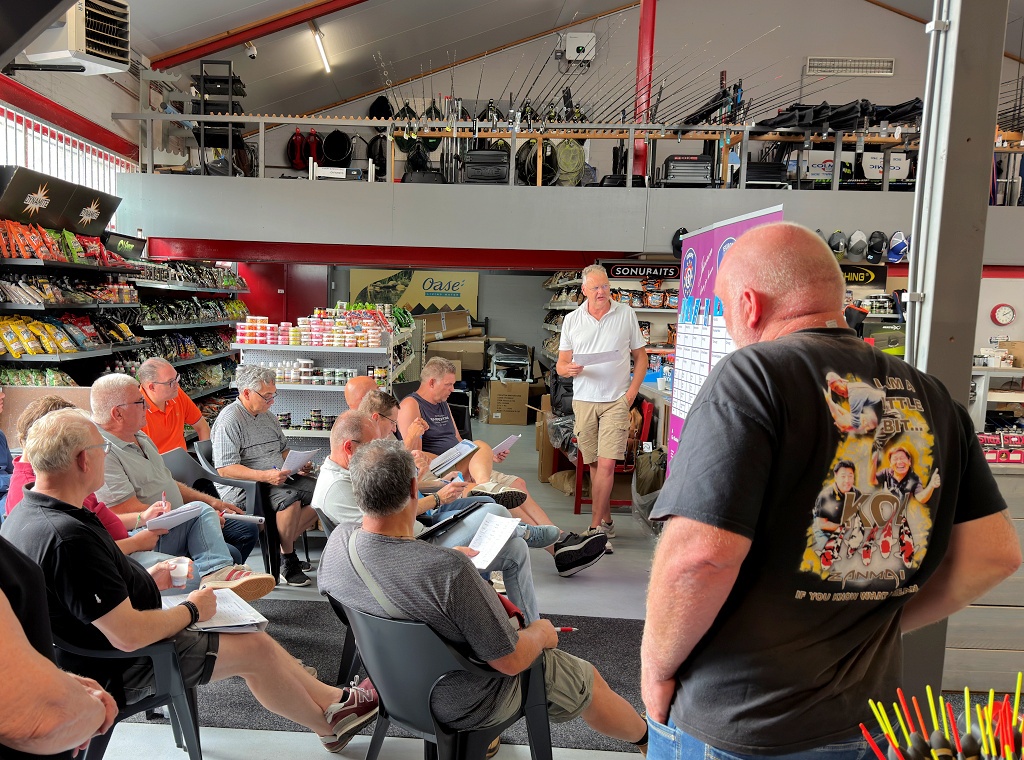
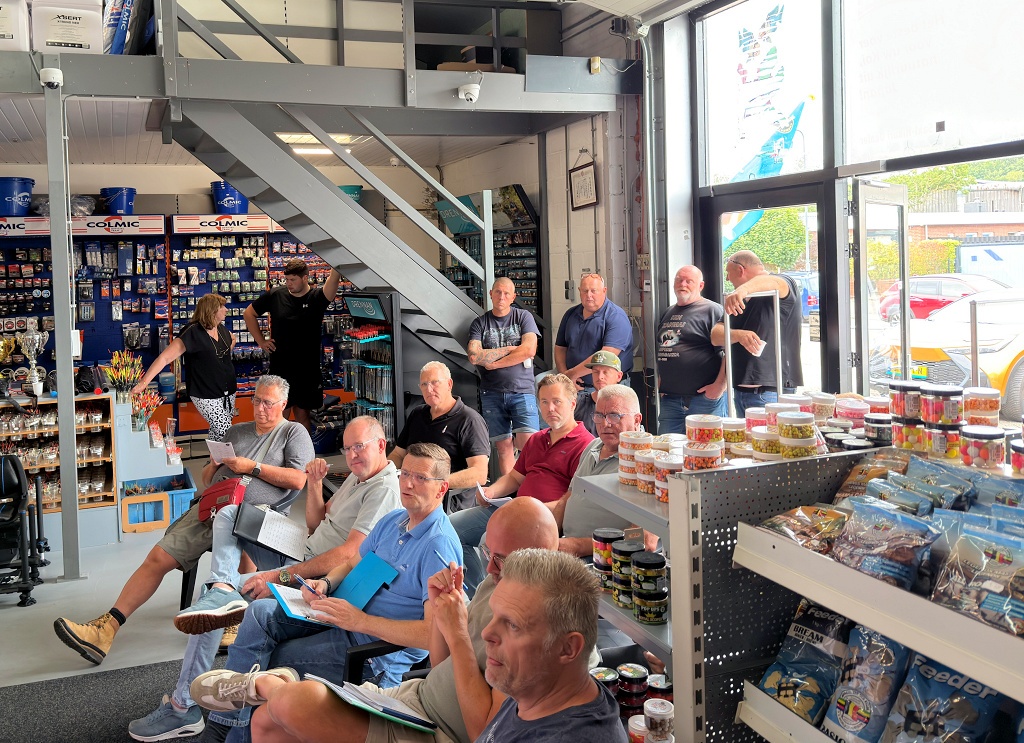
As mentioned earlier, the morning focused on the theory behind koi judging. Rather than being a dry lecture, the session was highly interactive, with lively discussions about flaws, faults, and demerits.
These terms refer to minor imperfections (flaws), more significant shortcomings or defects (faults), and finally serious defects (demerits) that may even result in disqualification.
We had already introduced this subject during the second training day, but repetition and discussion greatly improve both understanding and the ability to recognize these different types of imperfections. At the same time, this highlights an important pitfall: when judging koi, it is essential to assess the fish's positive qualities first before focusing on any shortcomings.
The group enjoyed several engaging discussions based on practical examples, where the distinction between a flaw and a fault was not always clear-cut. A slight asymmetry or a somewhat narrow tail tube may still be considered a flaw, whereas a missing barbel is classified as a fault. Visible cosmetic alterations, on the other hand, may even lead to disqualification.

Ofcourse we had some time for coffee and pastries
Fortunately, there was also time for coffee during the theory session, and Frank had treated everyone to authentic Limburg pie. Around midday, a well-prepared lunch was served. During lunch, the first Bokoi customers also began to arrive. The turnout was excellent, with many familiar faces. Customers and other enthusiasts are always welcome to attend the practical part of the training day, giving them an opportunity to experience koi judging firsthand.
Practise makes perfect
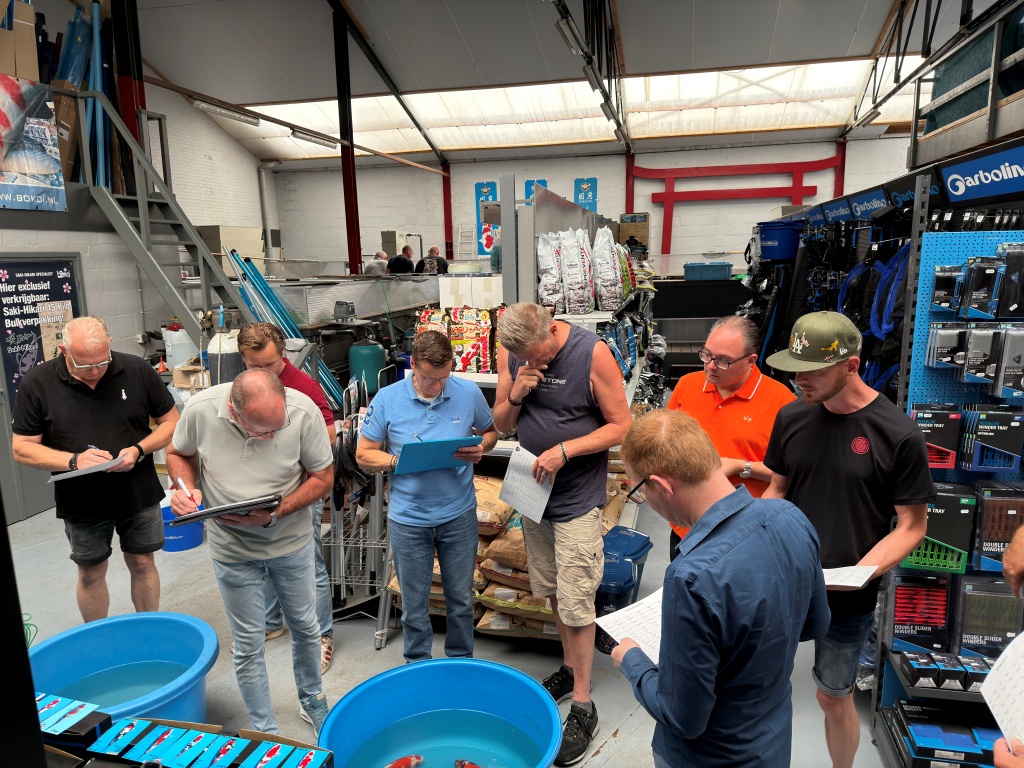
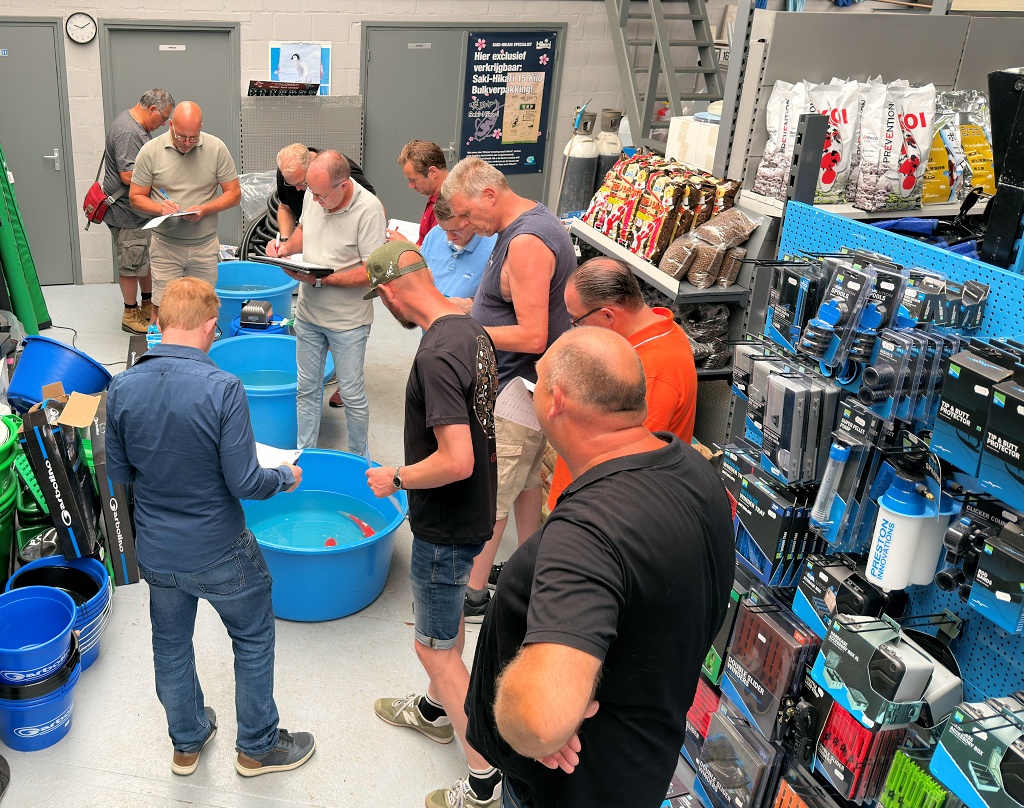
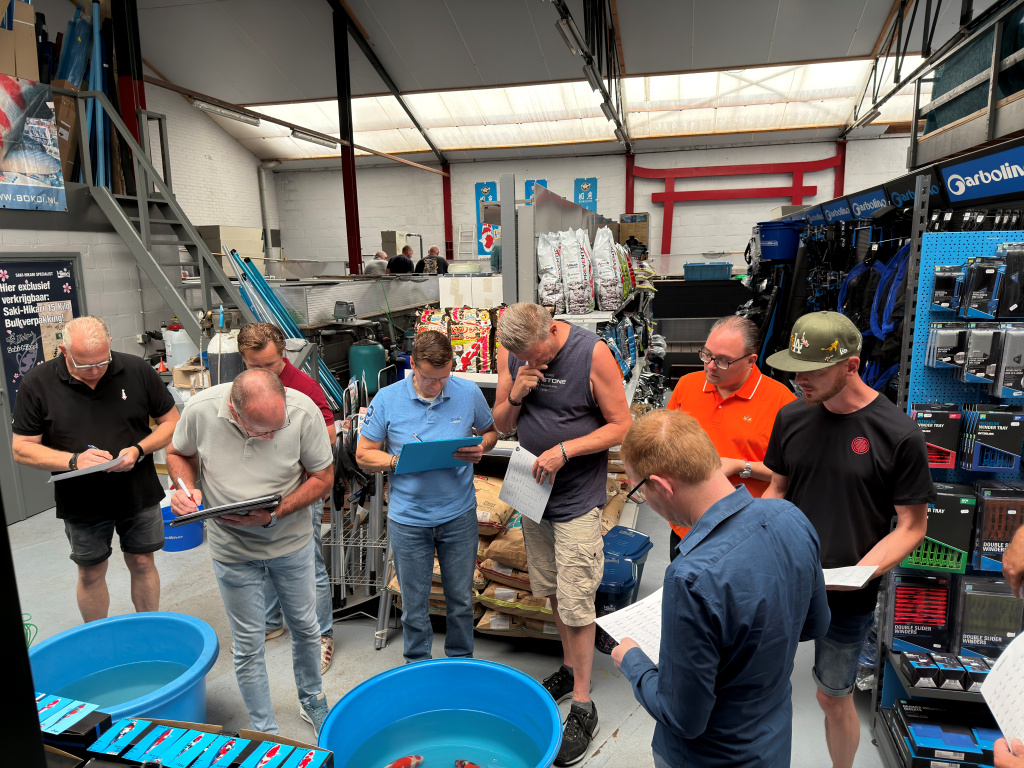
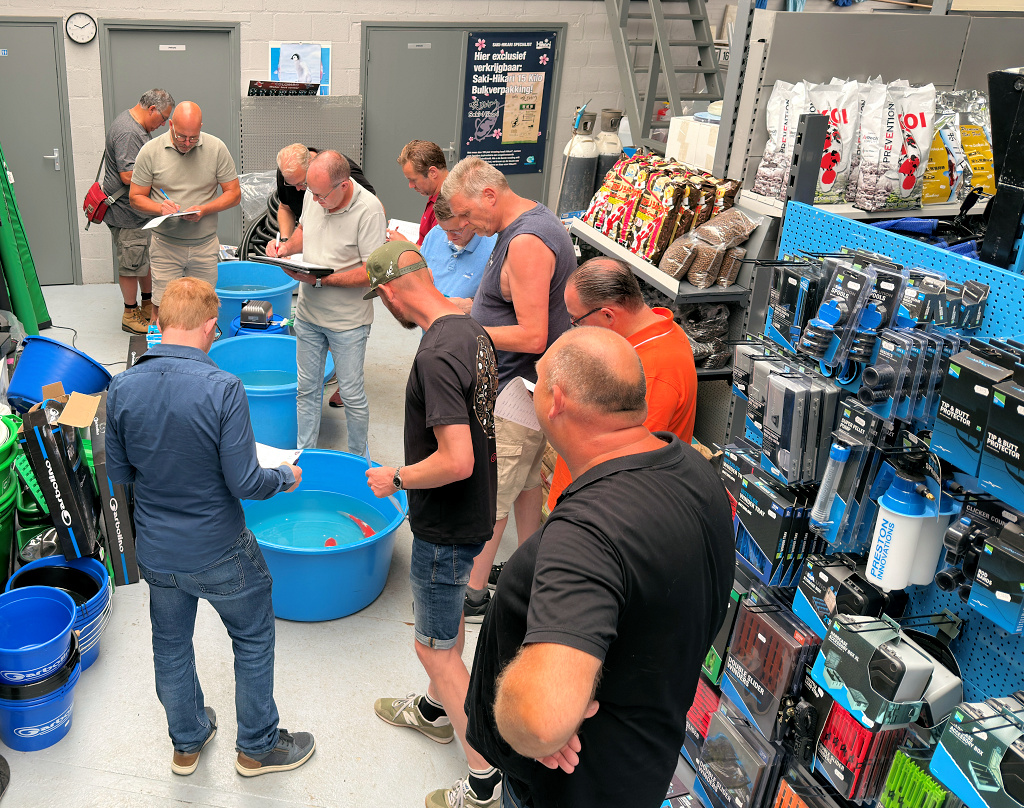
By then, the bowls had been prepared and filled with carefully selected koi. It immediately became apparent that Frank has extensive experience with koi shows, as the fish had been neatly arranged according to the APKI show classes.
The Go Sanke class was relatively straightforward, but the Melati class presented a much greater challenge. Here, varieties such as Goshiki, Koromo, and Kujaku shared the same bowl. This is where judging becomes particularly interesting: how do you fairly compare different varieties, each with its own unique characteristics?
Personal preferences must be completely set aside
In the end, judging is all about quality. It was encouraging to see that the top three selections of most participants were largely identical. Not always in exactly the same order, but the same fish consistently ranked at the top. It was further confirmation that true quality can be recognized—provided you know what to look for.
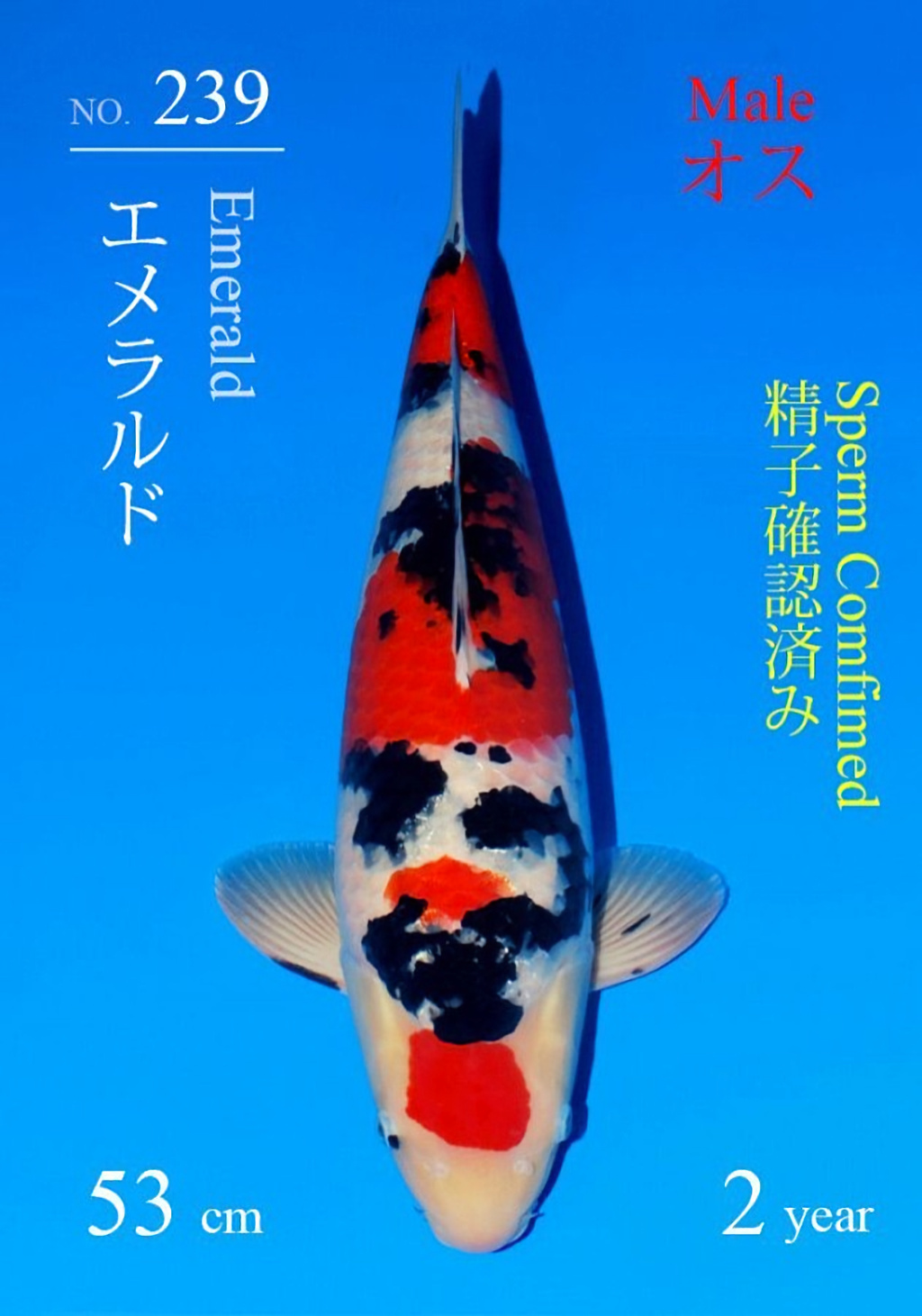
After the first round, it was time to judge larger koi. One bowl contained an impressive group of nisai and sansai, consisting of two Sanke and three Showa. Their powerful body conformation, attractive patterns, and overall presence made this far from an easy assignment. In situations like these, it becomes especially important to look critically not only at each fish's strengths but also at any potential flaws and faults. The discussions that followed proved to be just as educational as the judging itself.
Time flies when you're having (koi)fun
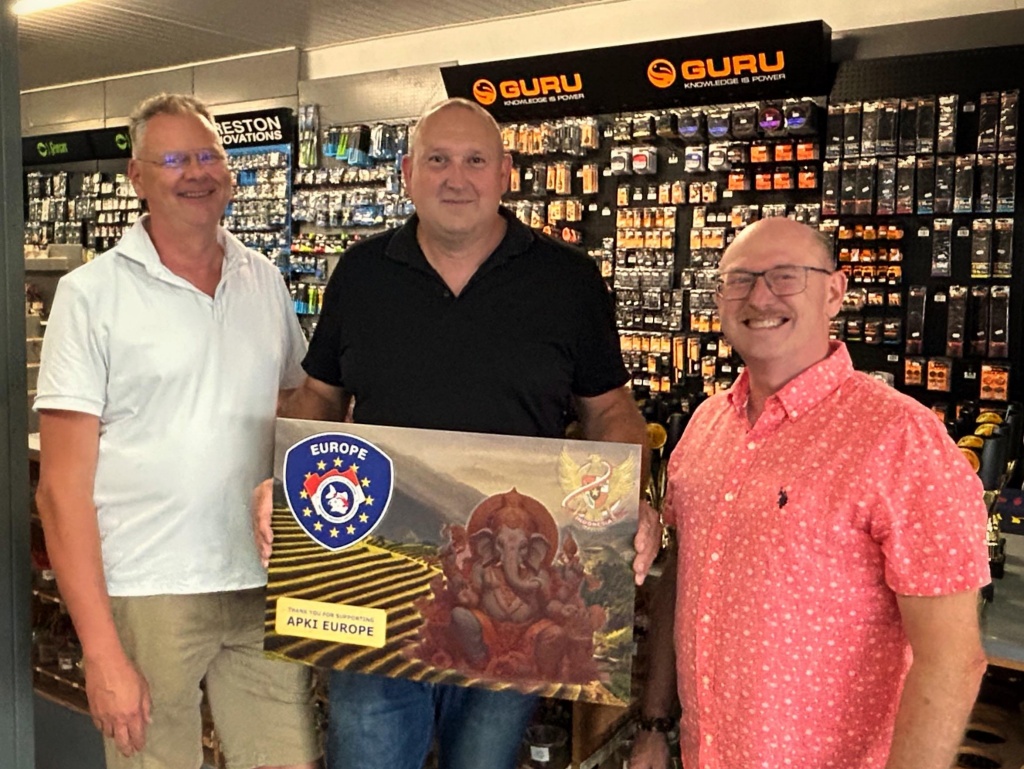
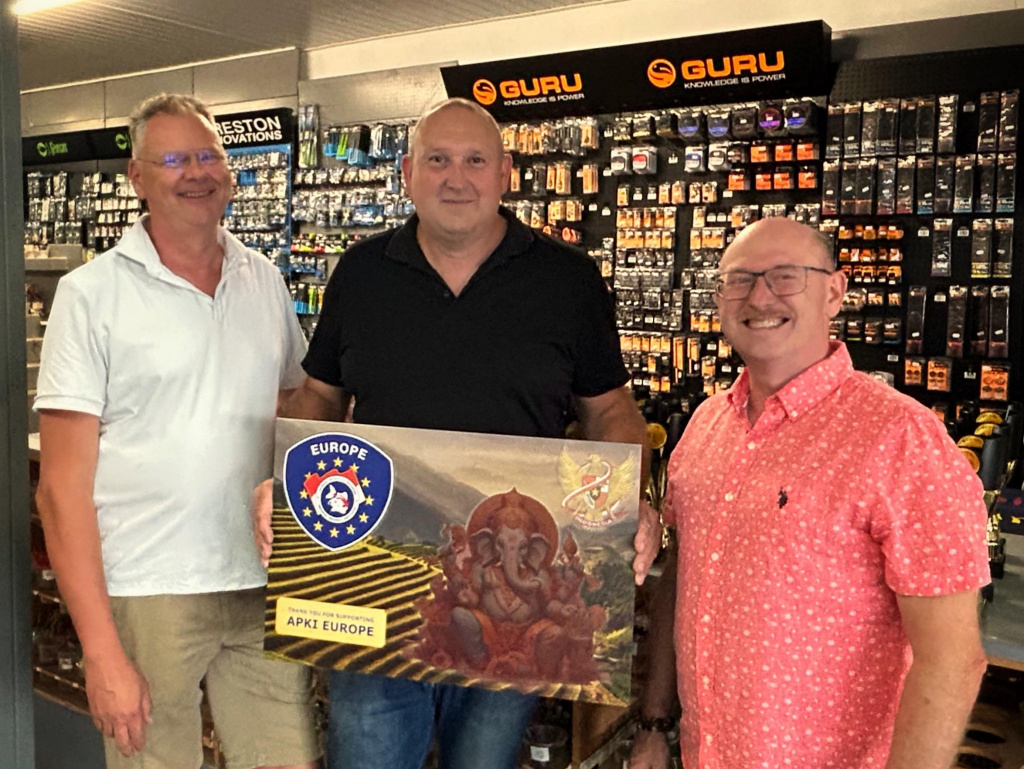
As always, time flew by when hobbyists gathered around the bowls, exchanging experiences and discussing koi and everything related to the hobby. Around four o'clock, the day was brought to a close by Ruud and Ronald. As tradition dictates, the now familiar APKI plaque was presented to Frank in appreciation of his hospitality and for making his outstanding collection available for this training day.
With that, another educational, inspiring, and above all enjoyable day came to an end. We now look forward to the next session, where we will take an even deeper dive into the individual koi varieties and their unique characteristics.
Written by APKI Trainee judge Bas van Tooren