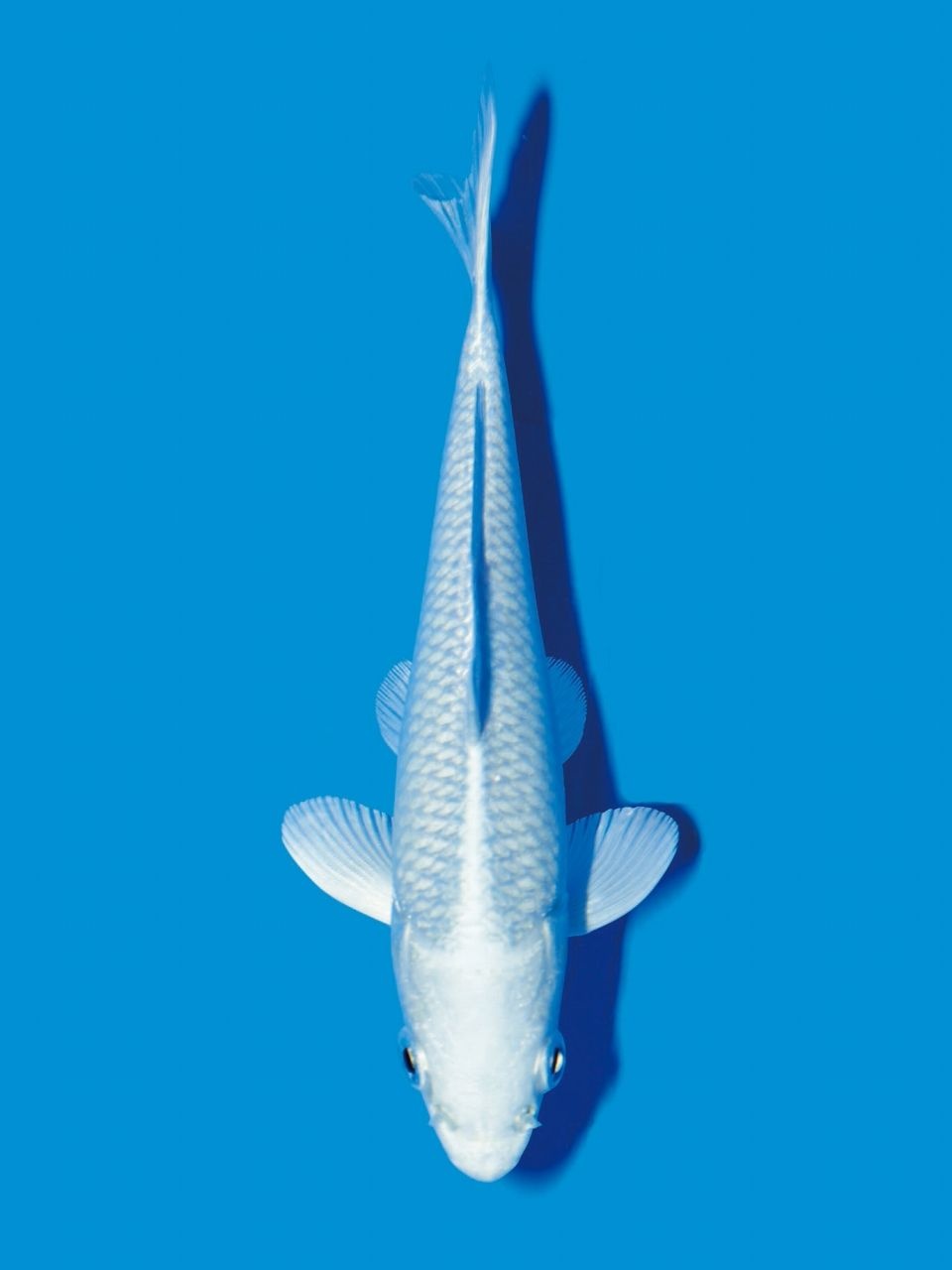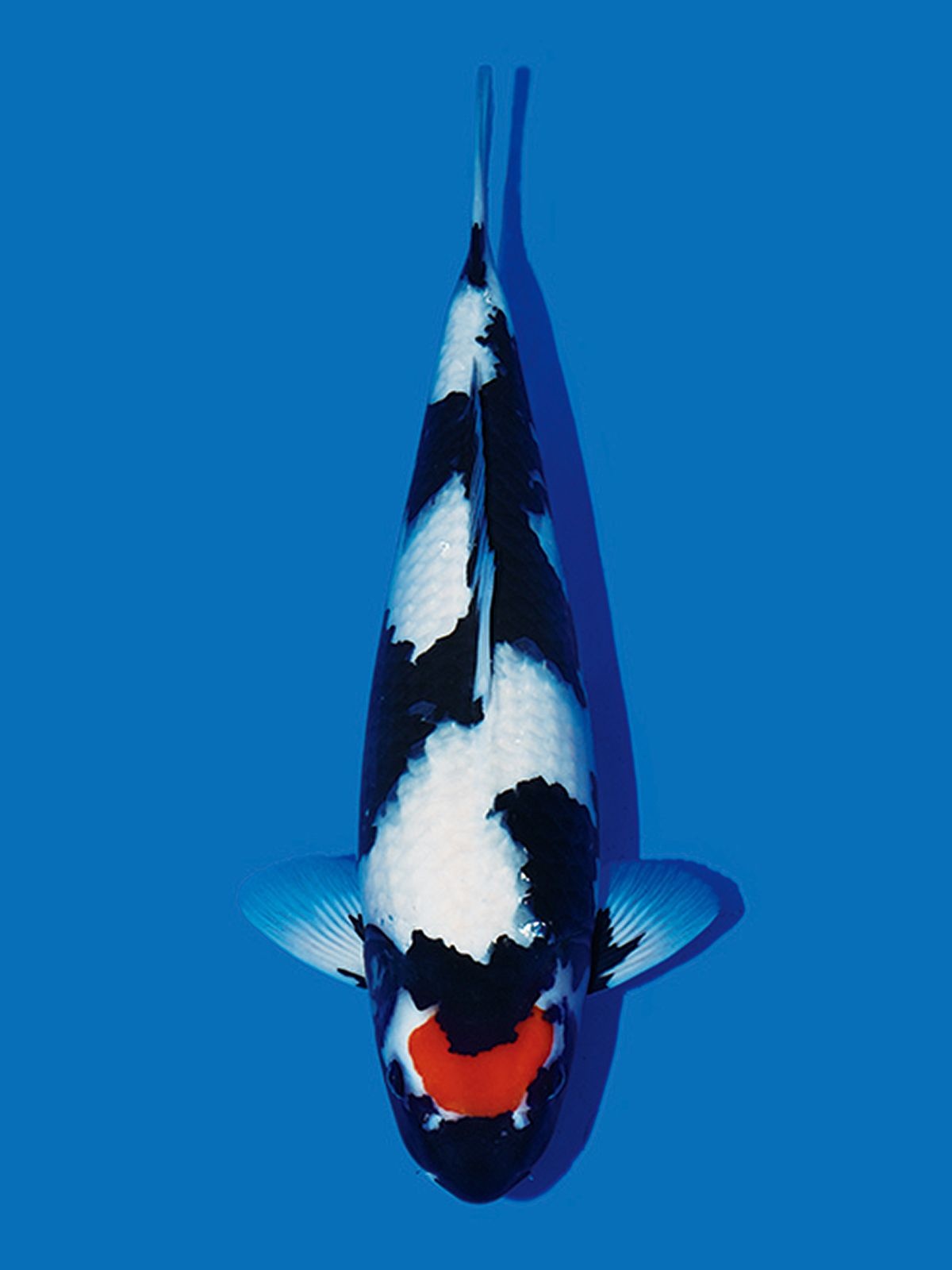
Information on Flowergroups and Showclasses
Successful koi judging begins with understanding how koi are classified. Before a koi can be judged, it must first be placed in the correct showclass and flower group. This ensures that every koi is judged fairly alongside varieties with similar characteristics and standards.
At APKI Europe, we follow a structured classification system that groups koi according to their variety. The flower groups form the foundation of the APKI Europe judging system and allows judges to compare koi that share common qualities while recognizing the unique beauty of each variety.
Understanding flower groups & koi showclasses
The Show classes and flower groups presented on this page are intended as an educational reference for hobbyists, exhibitors, and aspiring judges. Whether you are preparing for your first koi show or expanding your knowledge of Nishikigoi, understanding these classifications will help you better appreciate how koi are evaluated and why certain varieties compete together.
Explore the categories below to discover where each koi variety belongs and gain a deeper understanding of the principles behind APKI Europe judging.

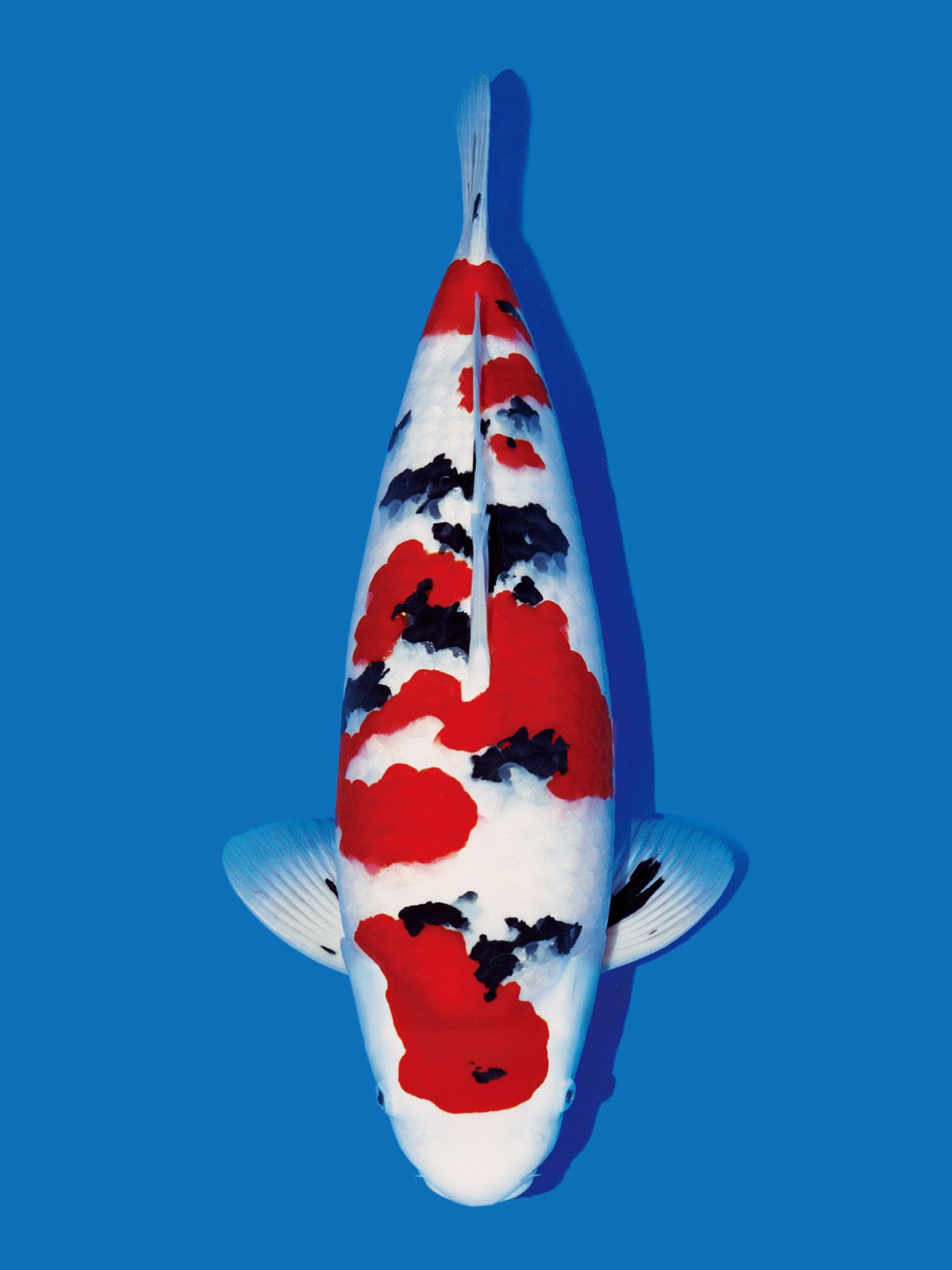
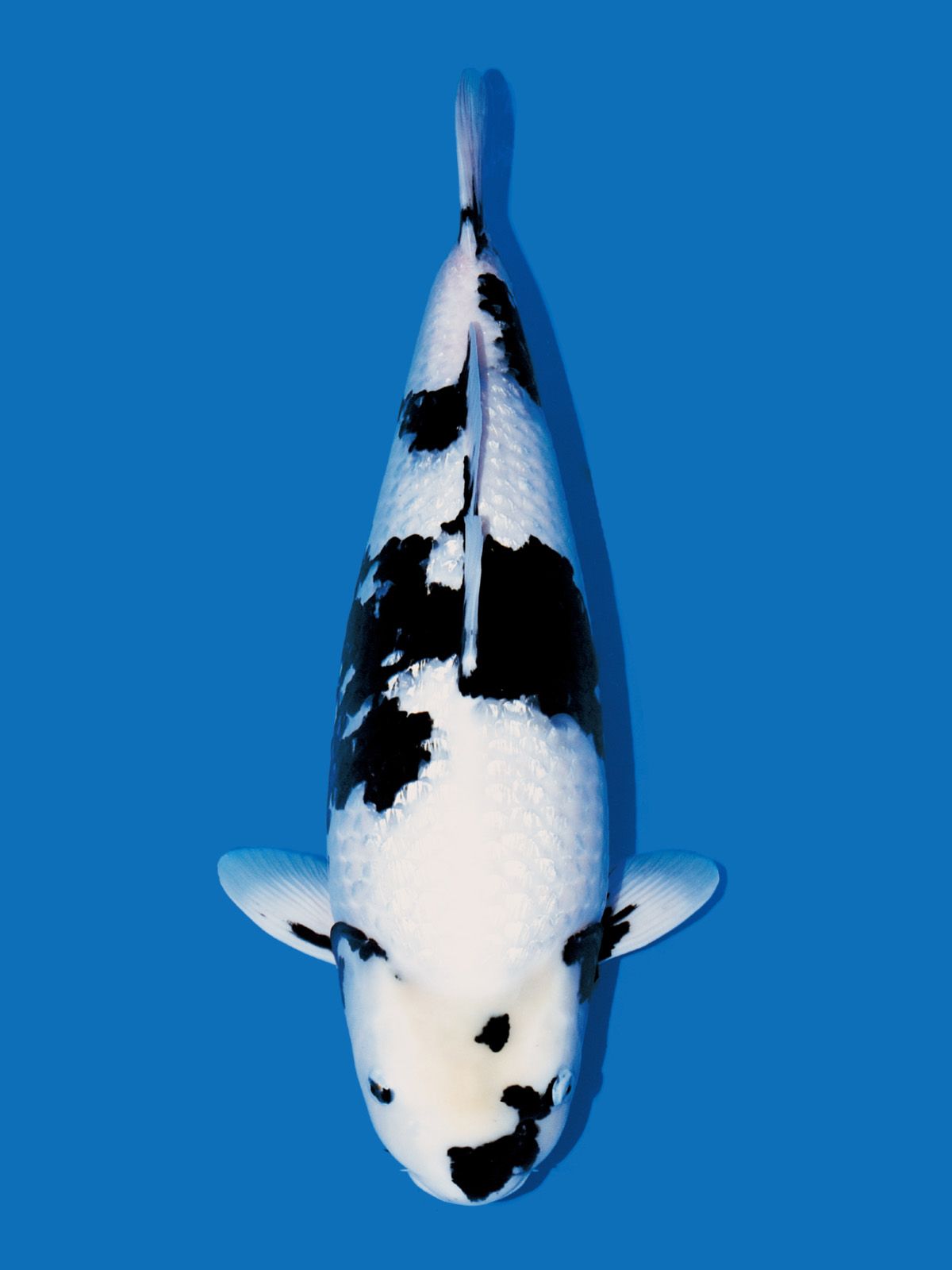
APKI Europe Flower Groups – Explanation and Classification
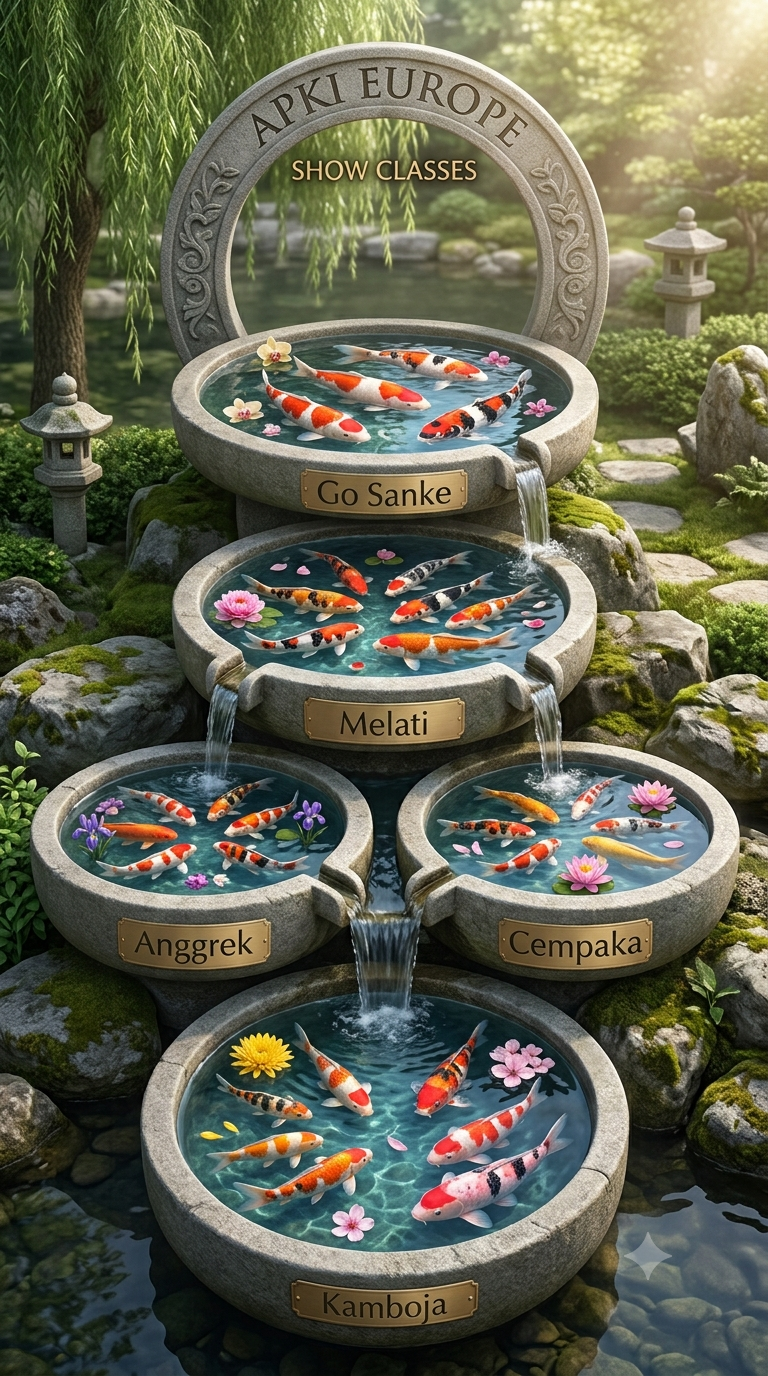
We use the following (flower groups)
A – Go Sanke
B – Melati
C – Anggrek
D – Cempaka
E – Kamboja
The Go Sanke group is not associated with a flower.
The Melati (Jasmine) Group
'Melati' is the Indonesian word for jasmine, specifically referring to the Arabian jasmine (Jasminum sambac), a fragrant white flower. In Indonesia, the melati is the national flower and symbolizes purity, beauty, and sincerity.
The Anggrek (Orchid) Group
'Anggrek' is the Indonesian word for orchid, referring to the Orchidaceae family, renowned for its elegant and diverse flowers. Orchids are highly valued throughout Indonesia and are regarded as one of the country's national floral symbols. They represent beauty, elegance, strength, and refinement.
The Cempaka (Champak) Group
'Cempaka' is an Indonesian and Malay name for flowers belonging to the Magnolia family, particularly Magnolia champaca (formerly Michelia champaca). In Indonesian culture, the cempaka symbolizes purity, beauty, and spiritual significance. Its fragrant blossoms are traditionally used in temples, religious ceremonies, and cultural offerings.
The Kamboja (Frangipani) Group
'Kamboja' is the Indonesian name for the Frangipani (Plumeria), a tree celebrated for its beautiful, fragrant flowers in shades of white, yellow, pink, and red. Throughout Indonesia and other Southeast Asian countries, the kamboja is closely associated with beauty, spirituality, peace, and remembrance. Its flowers are widely used in religious ceremonies, cultural traditions, and ornamental gardens.
So which showclass (variety) belongs to which flowergroup
A – Go Sanke
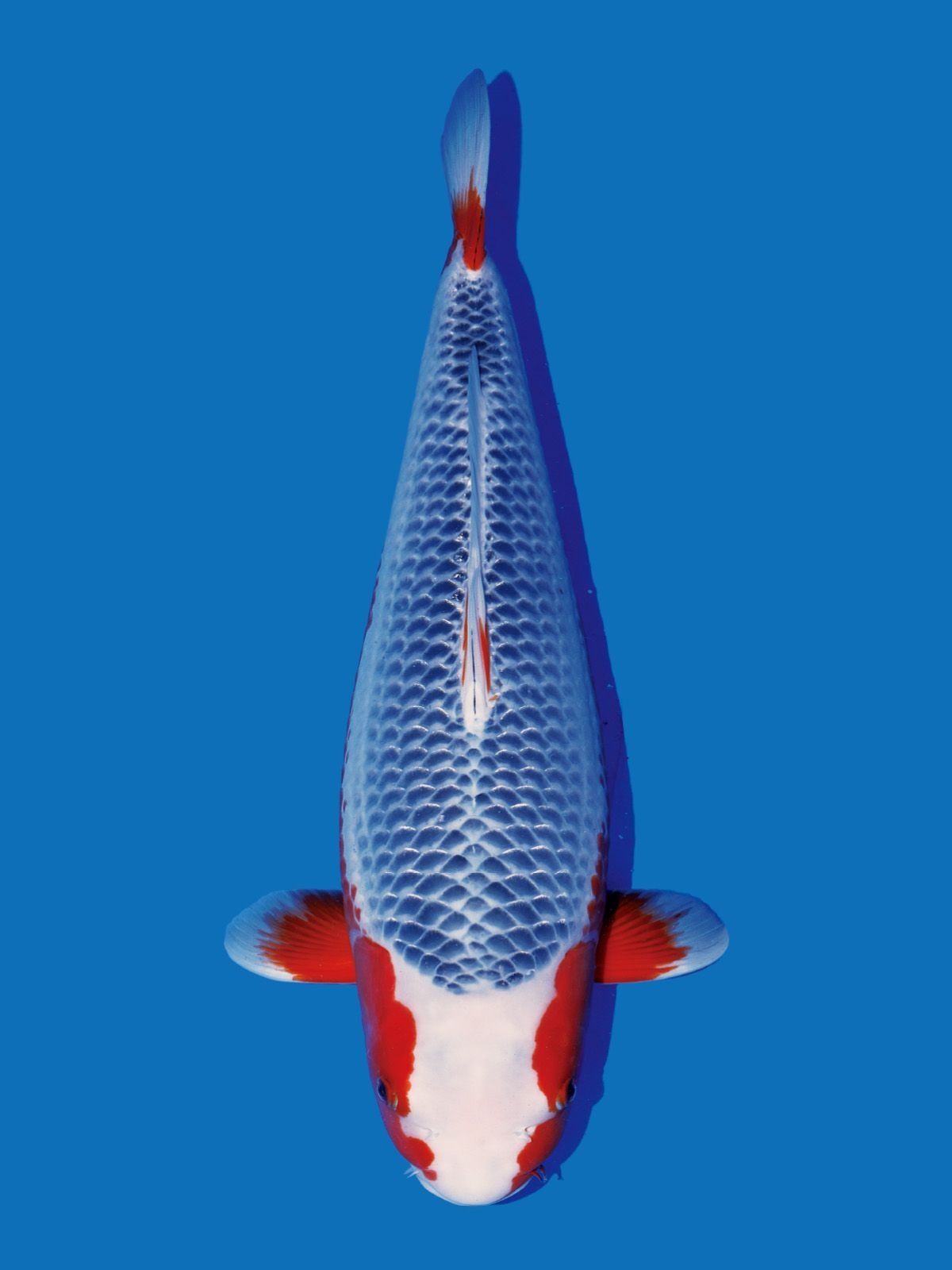
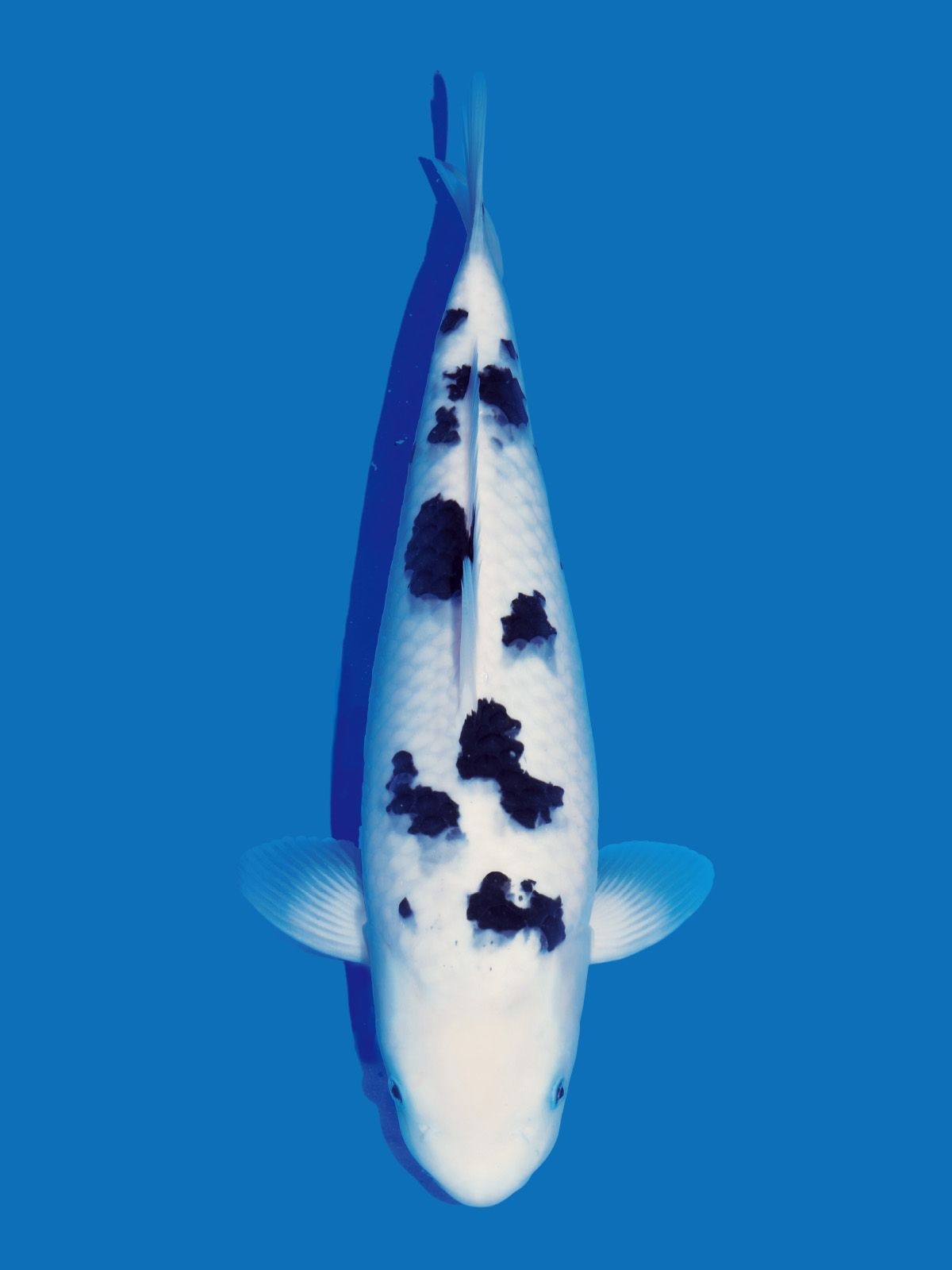
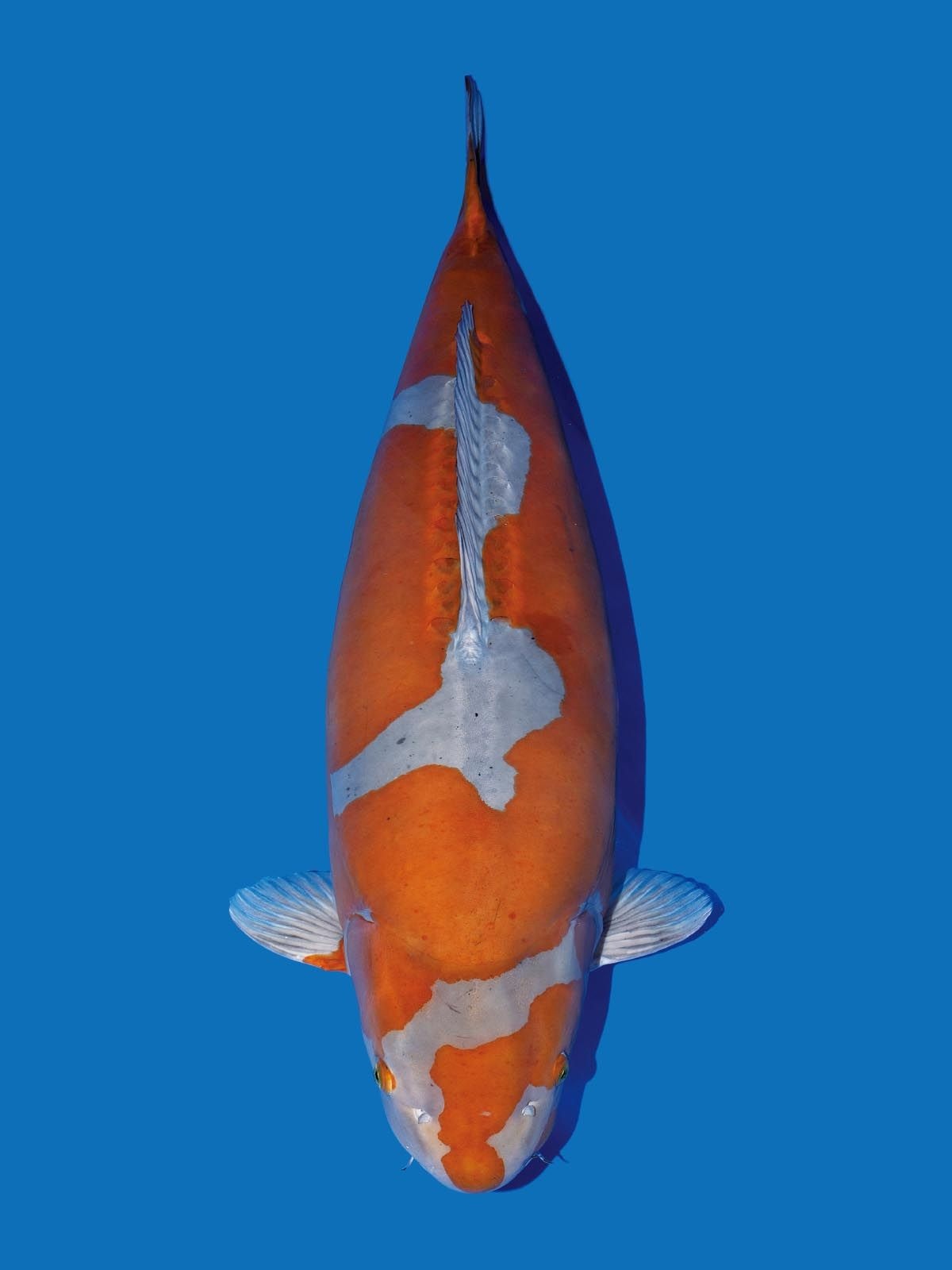
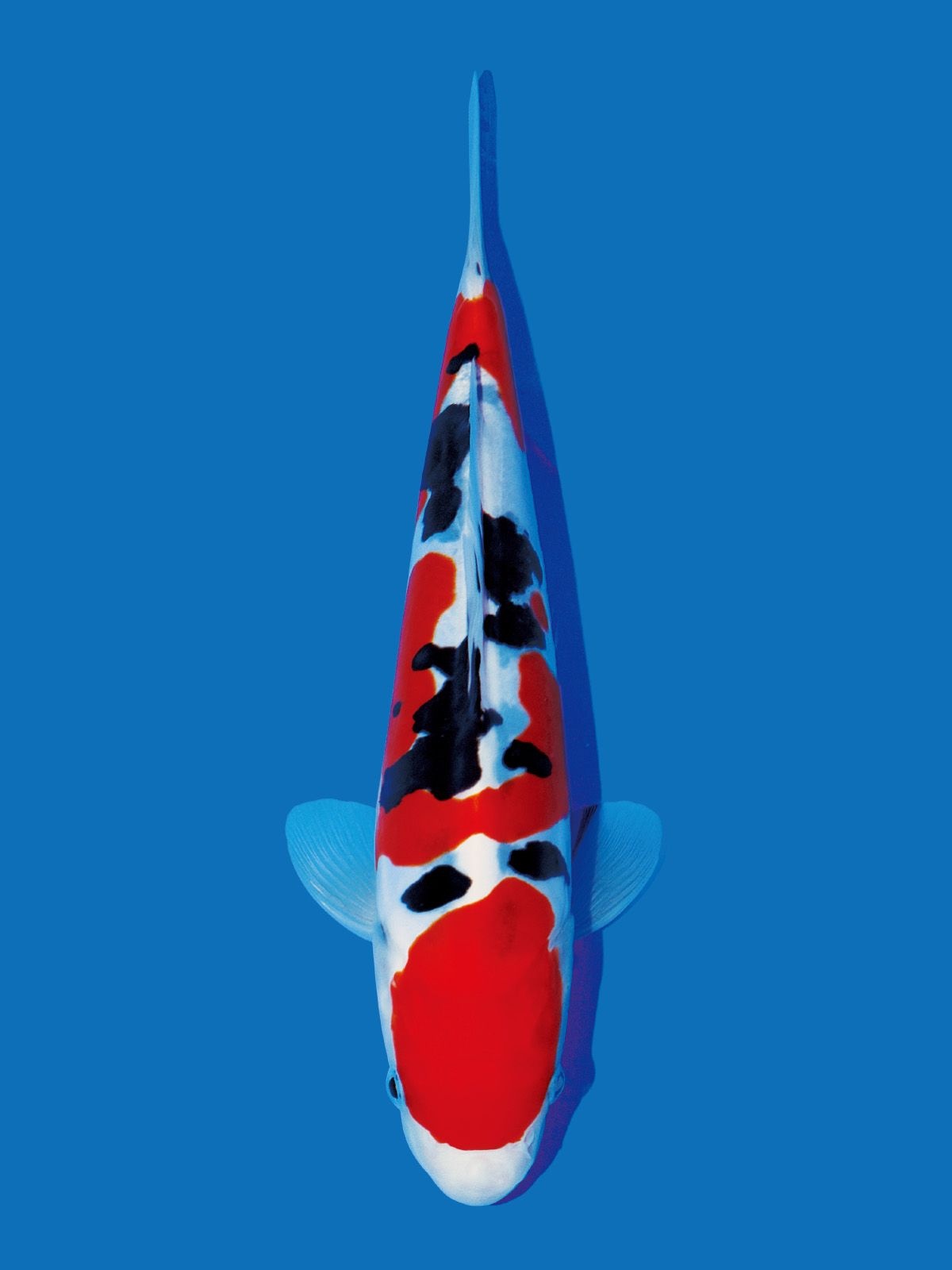
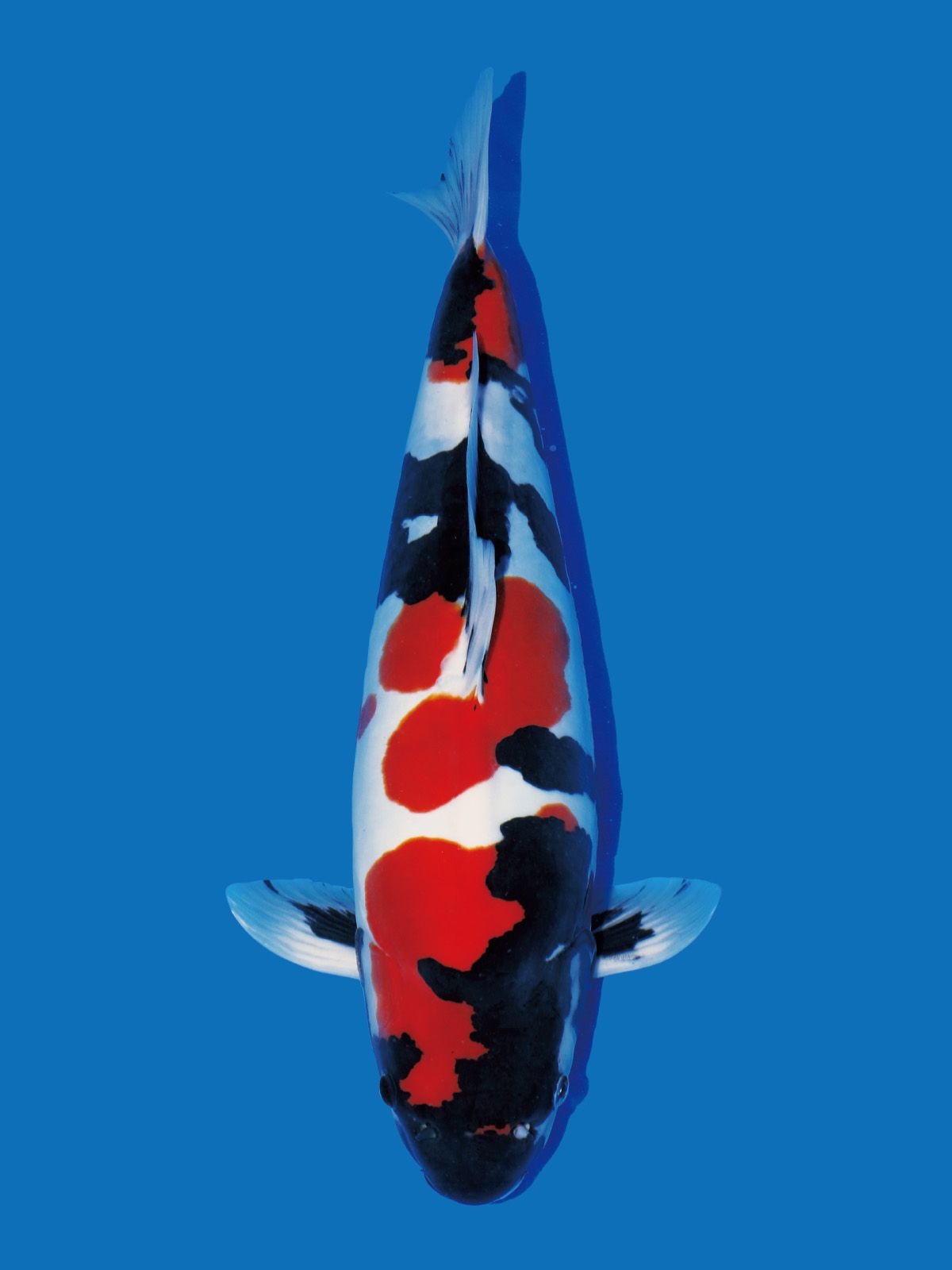
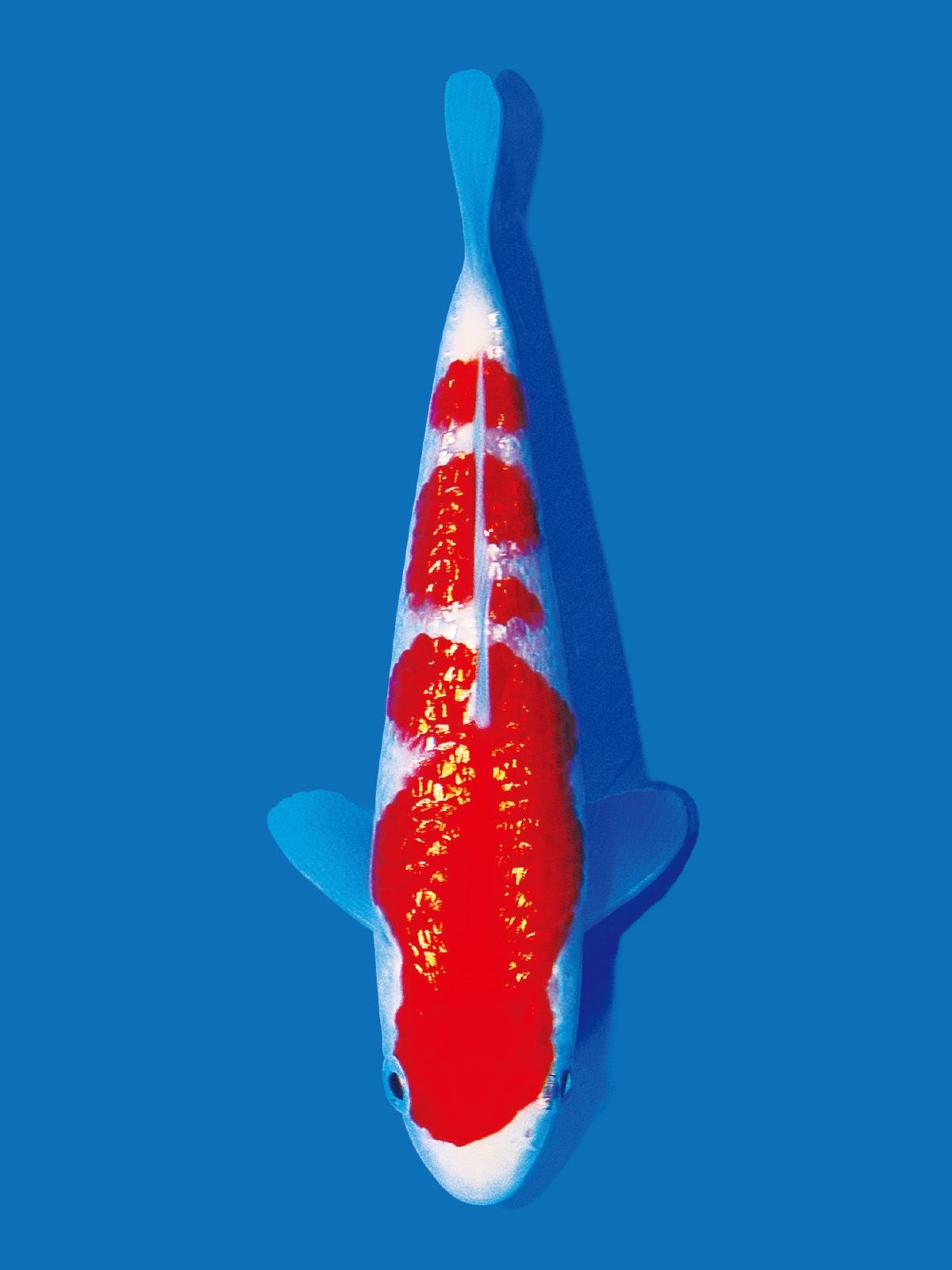
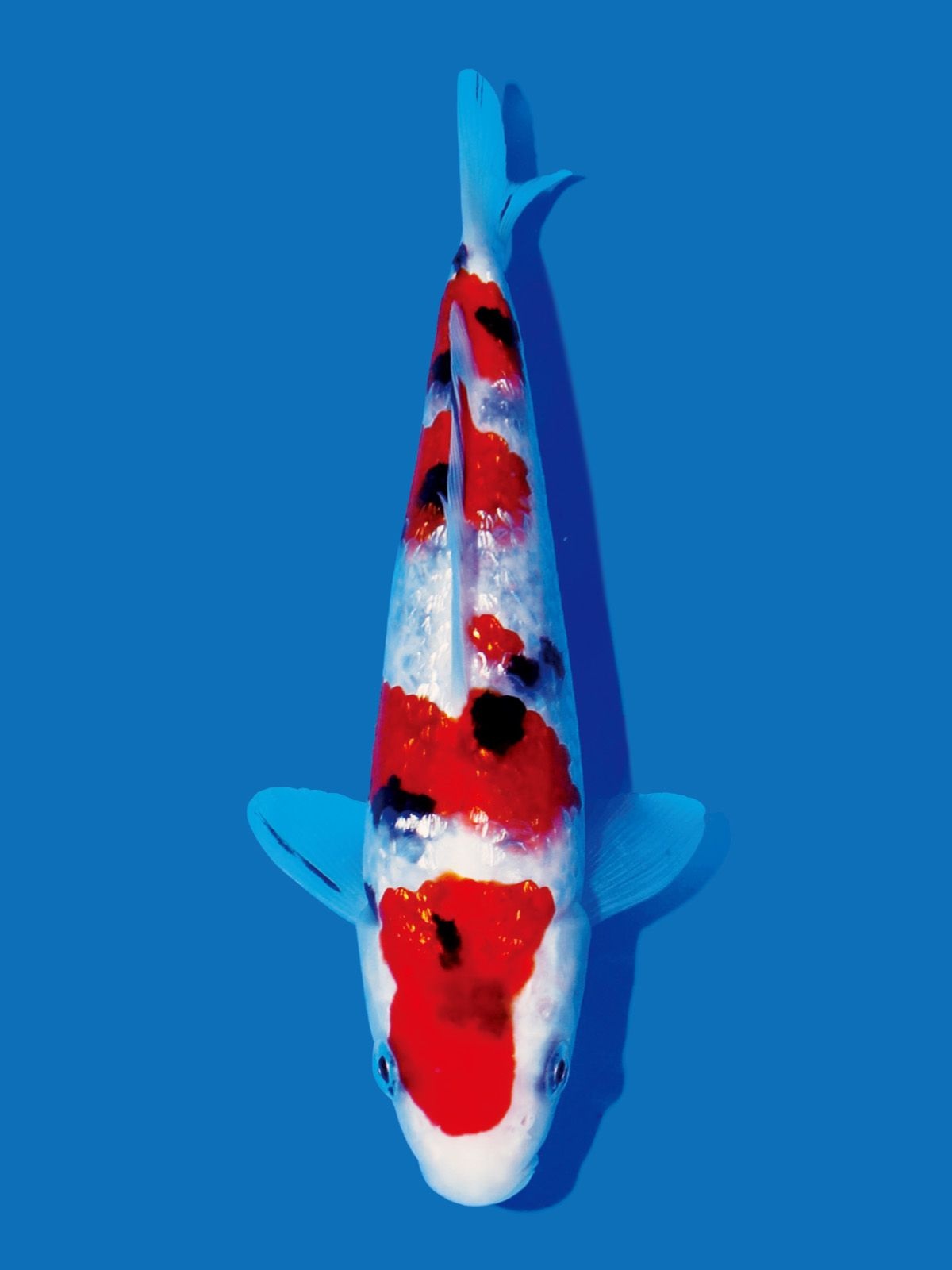
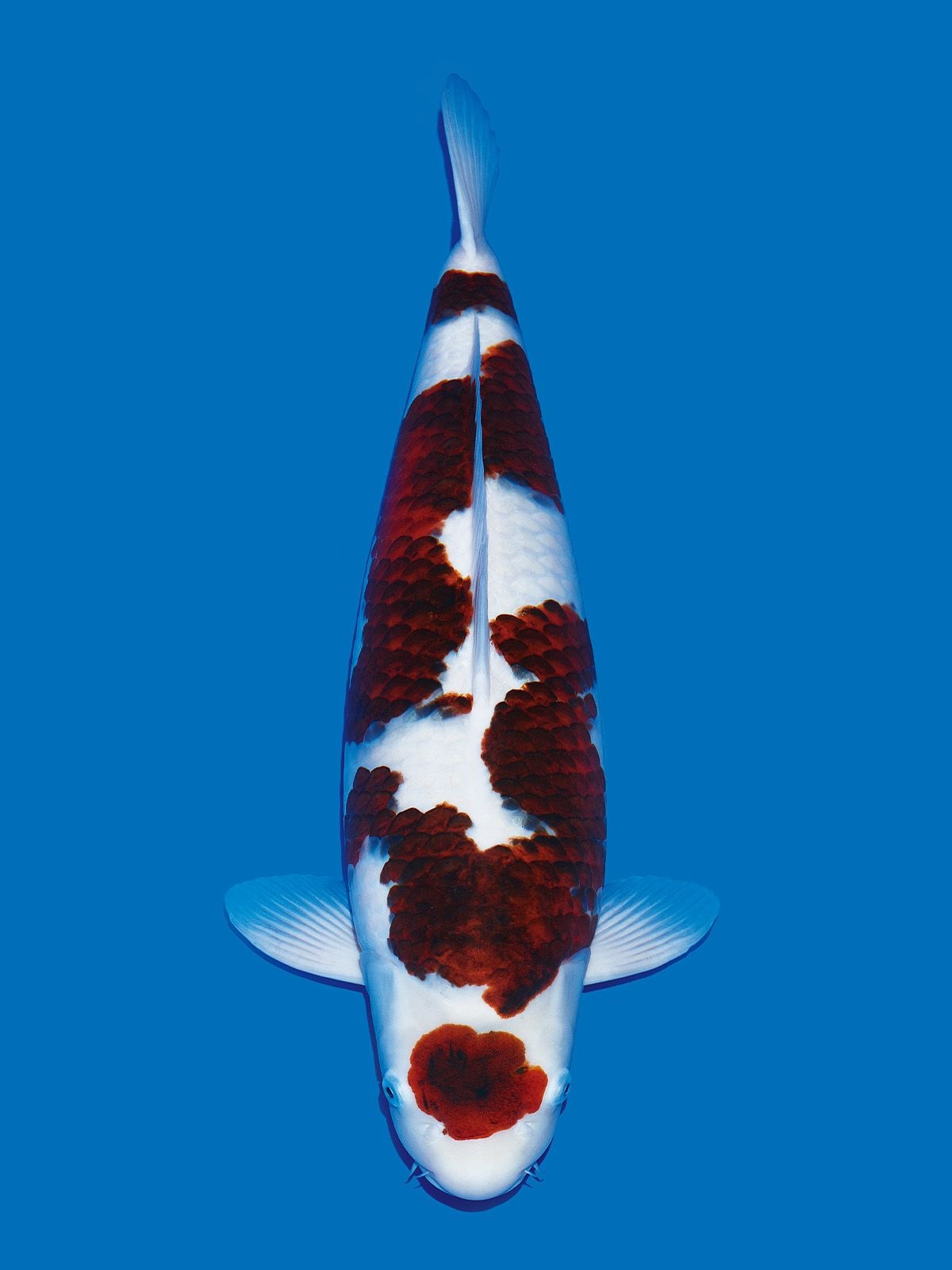
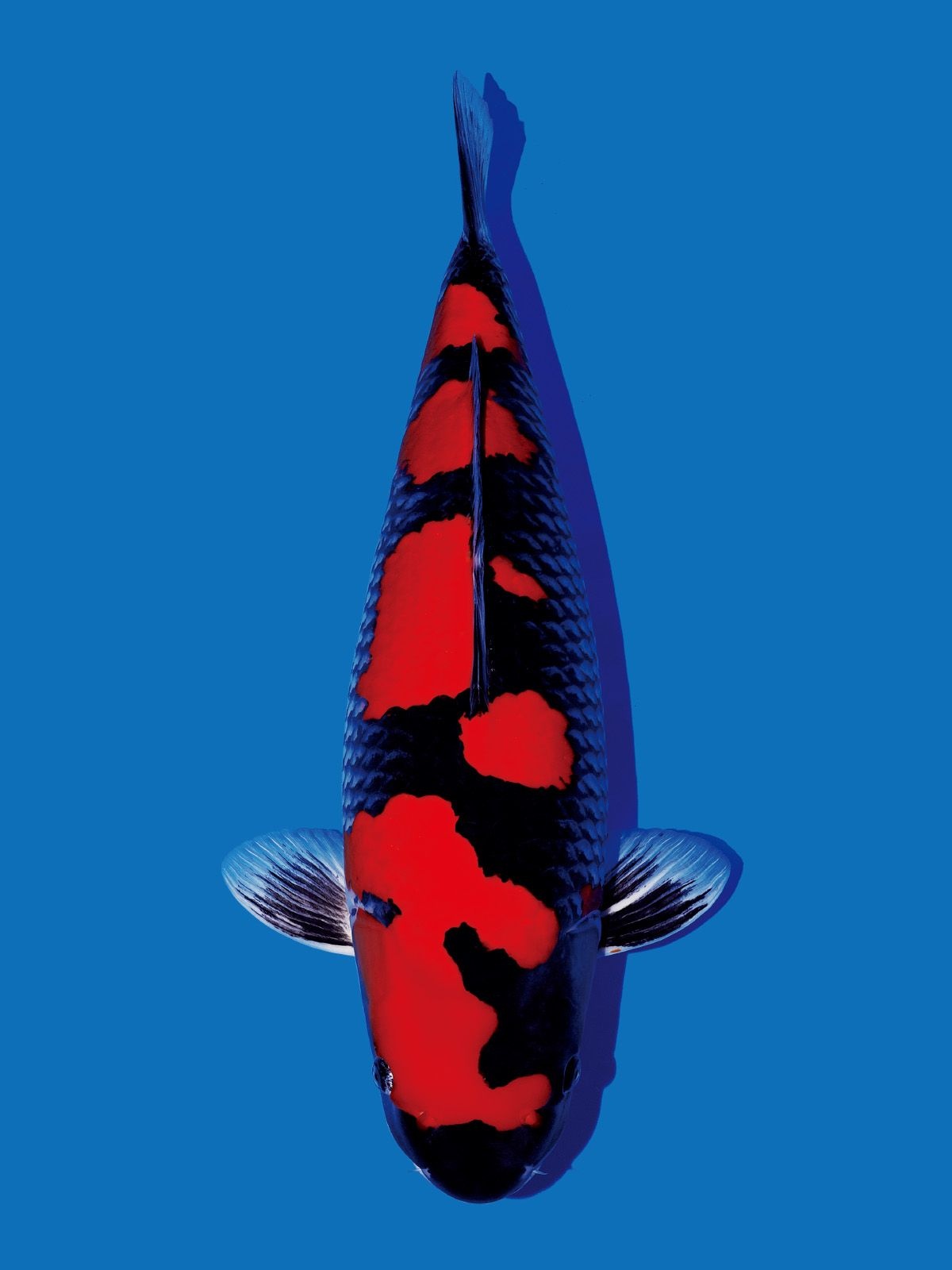
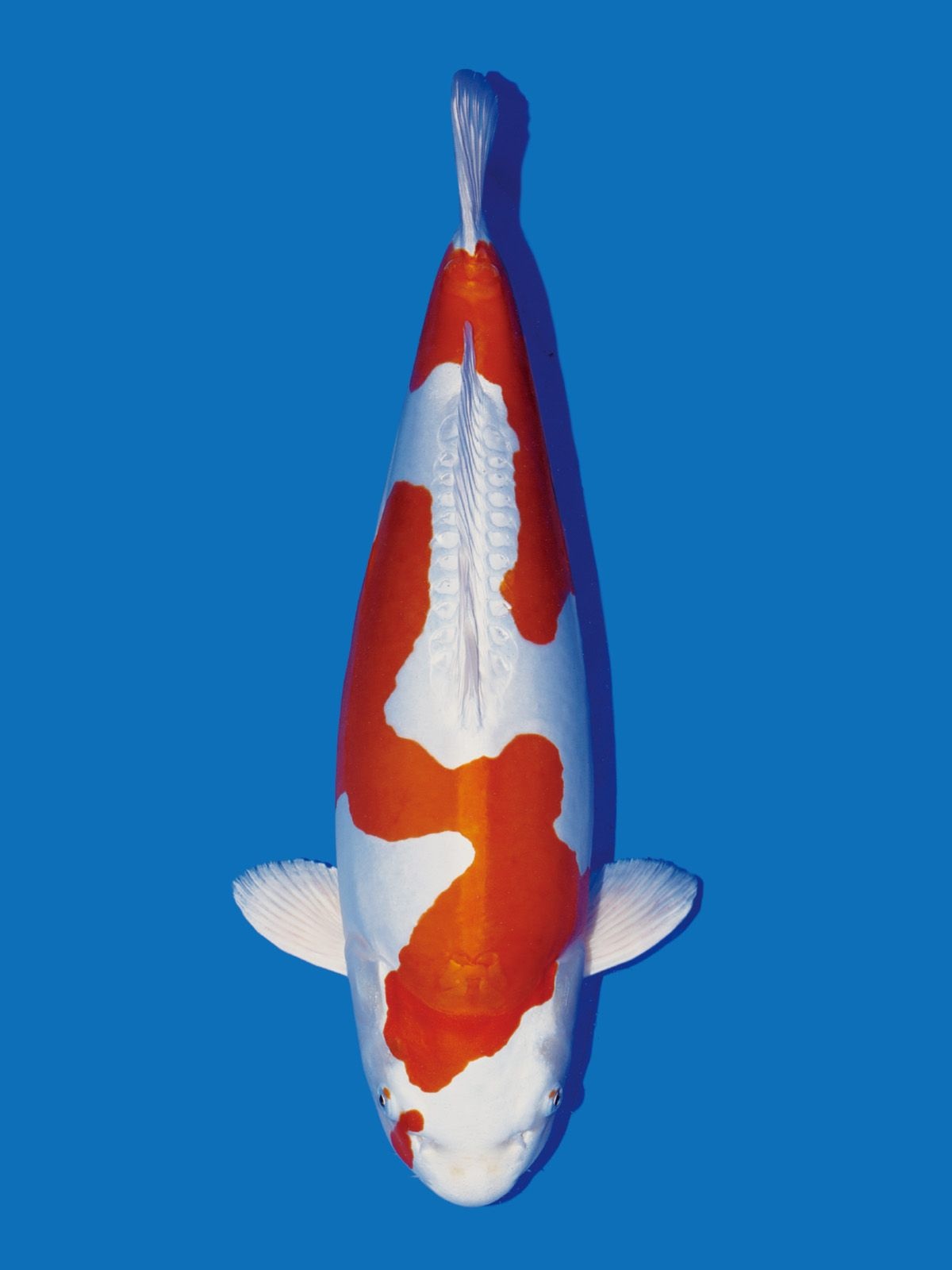
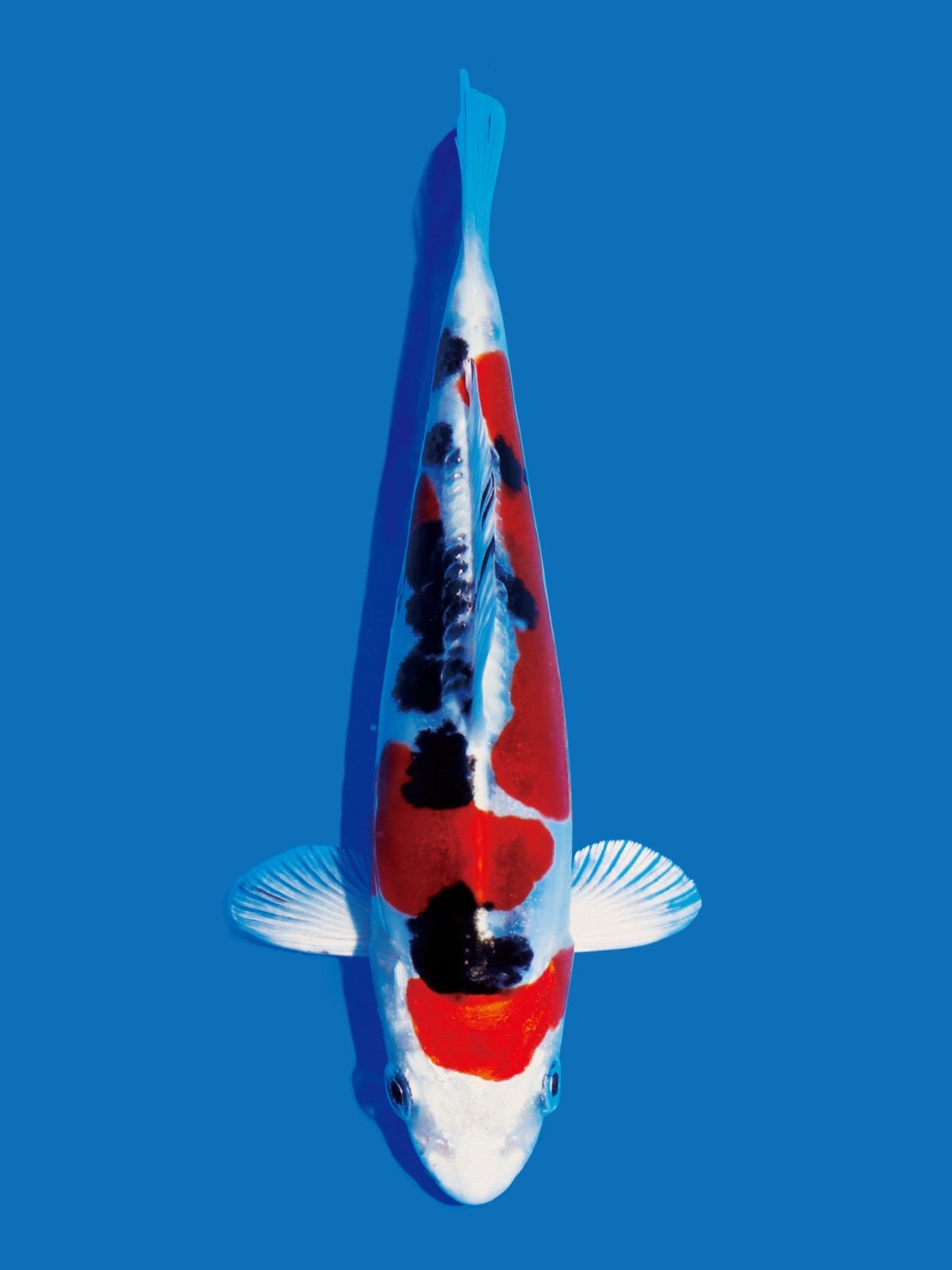
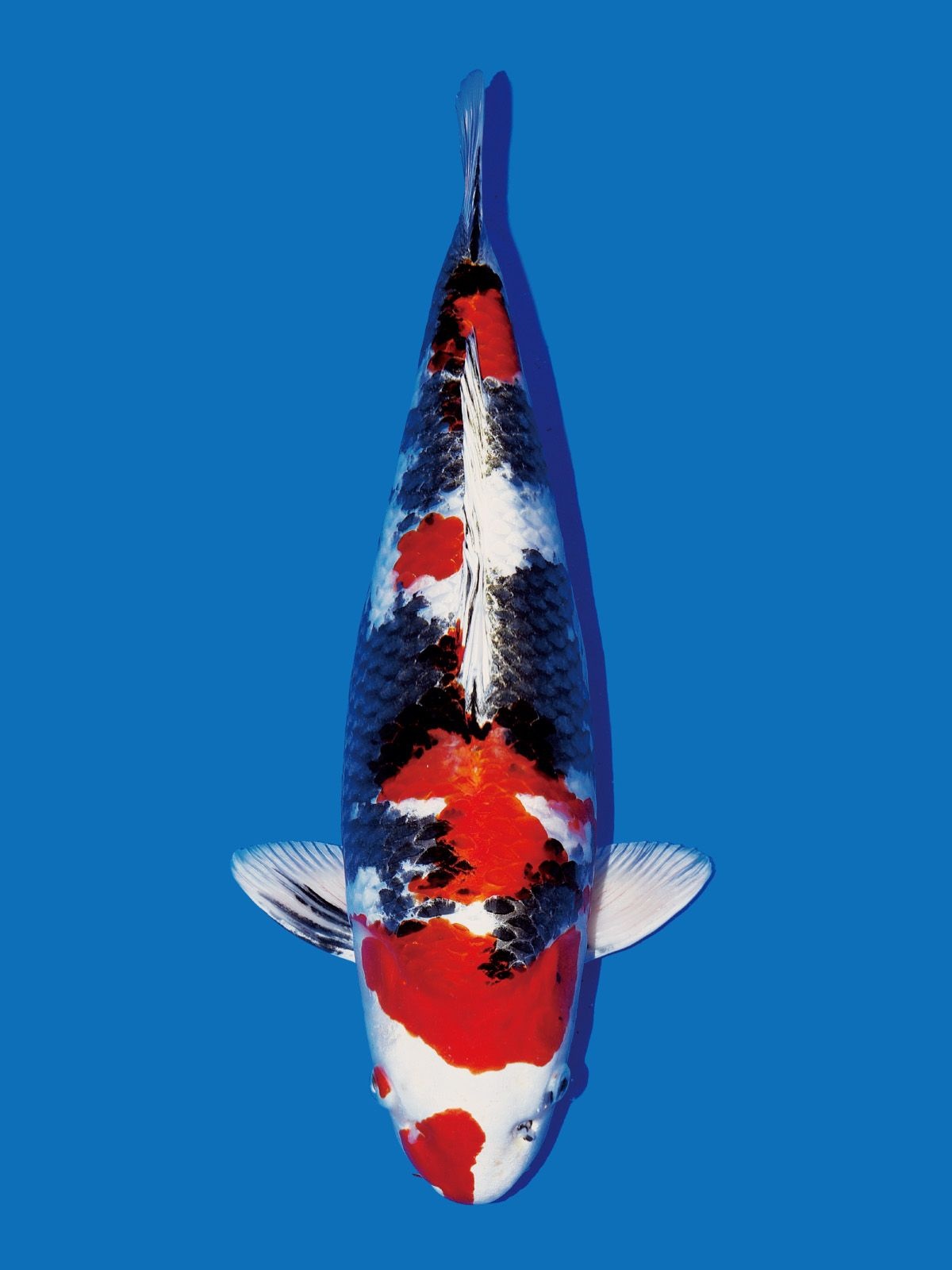
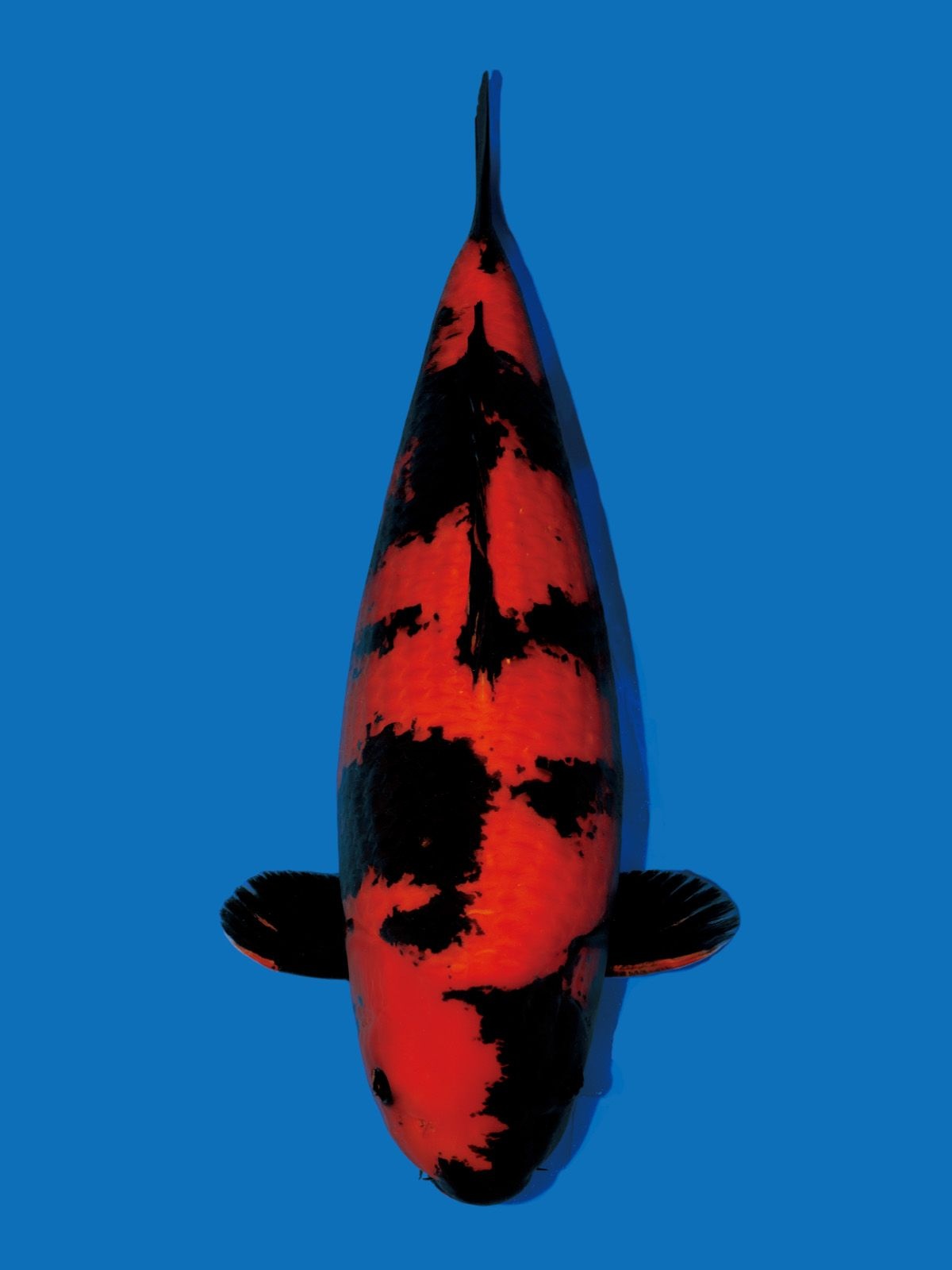
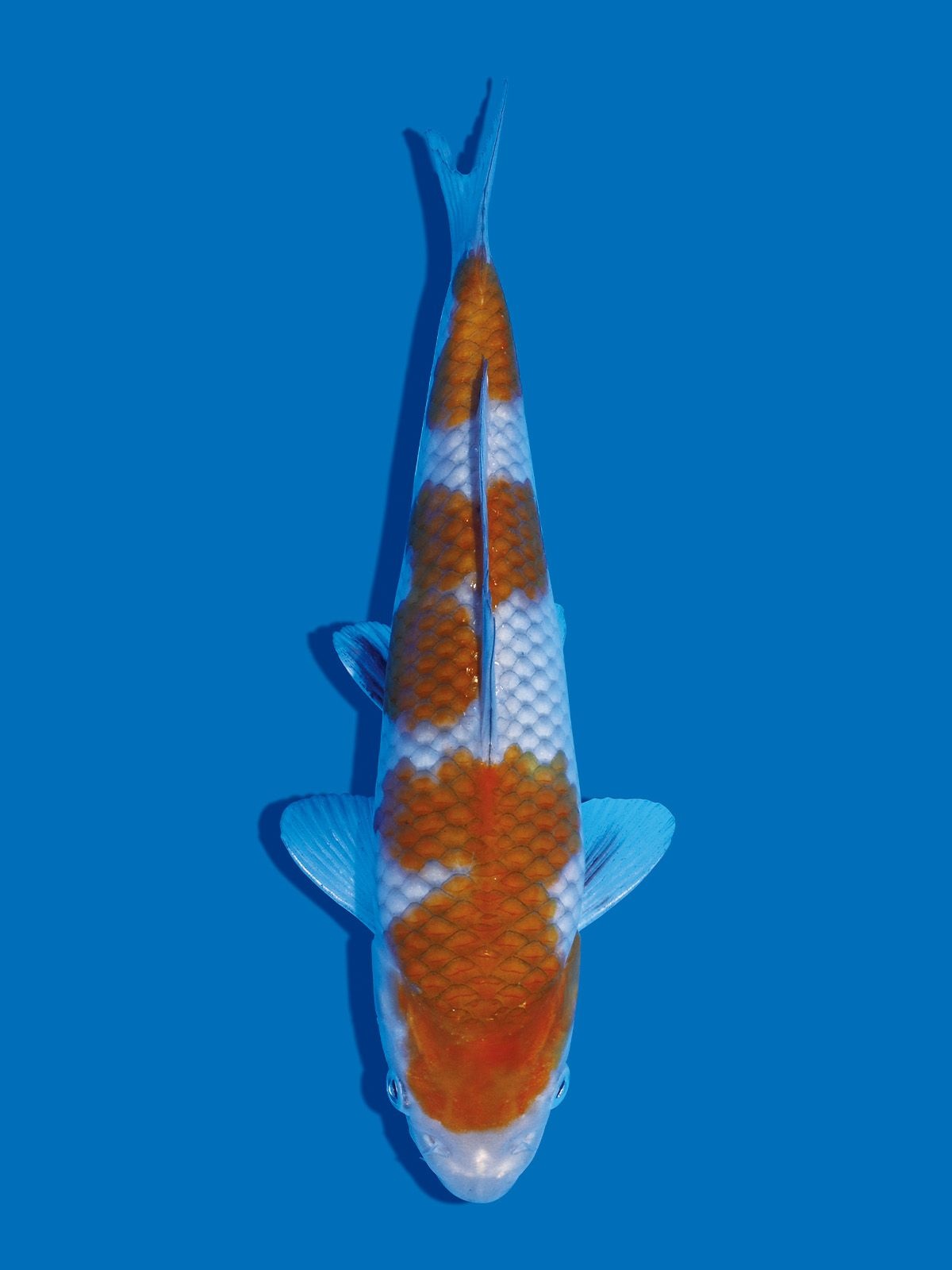
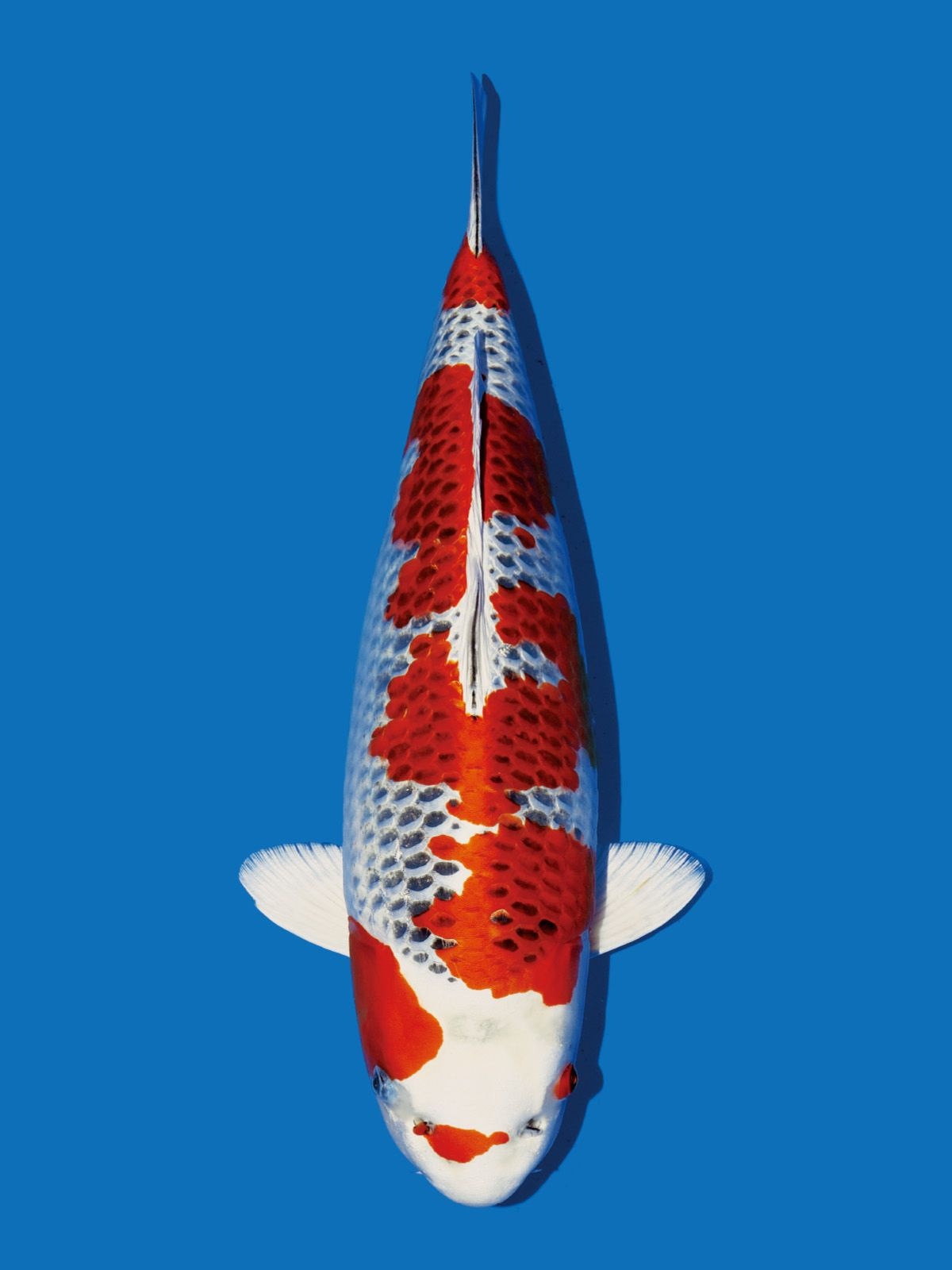
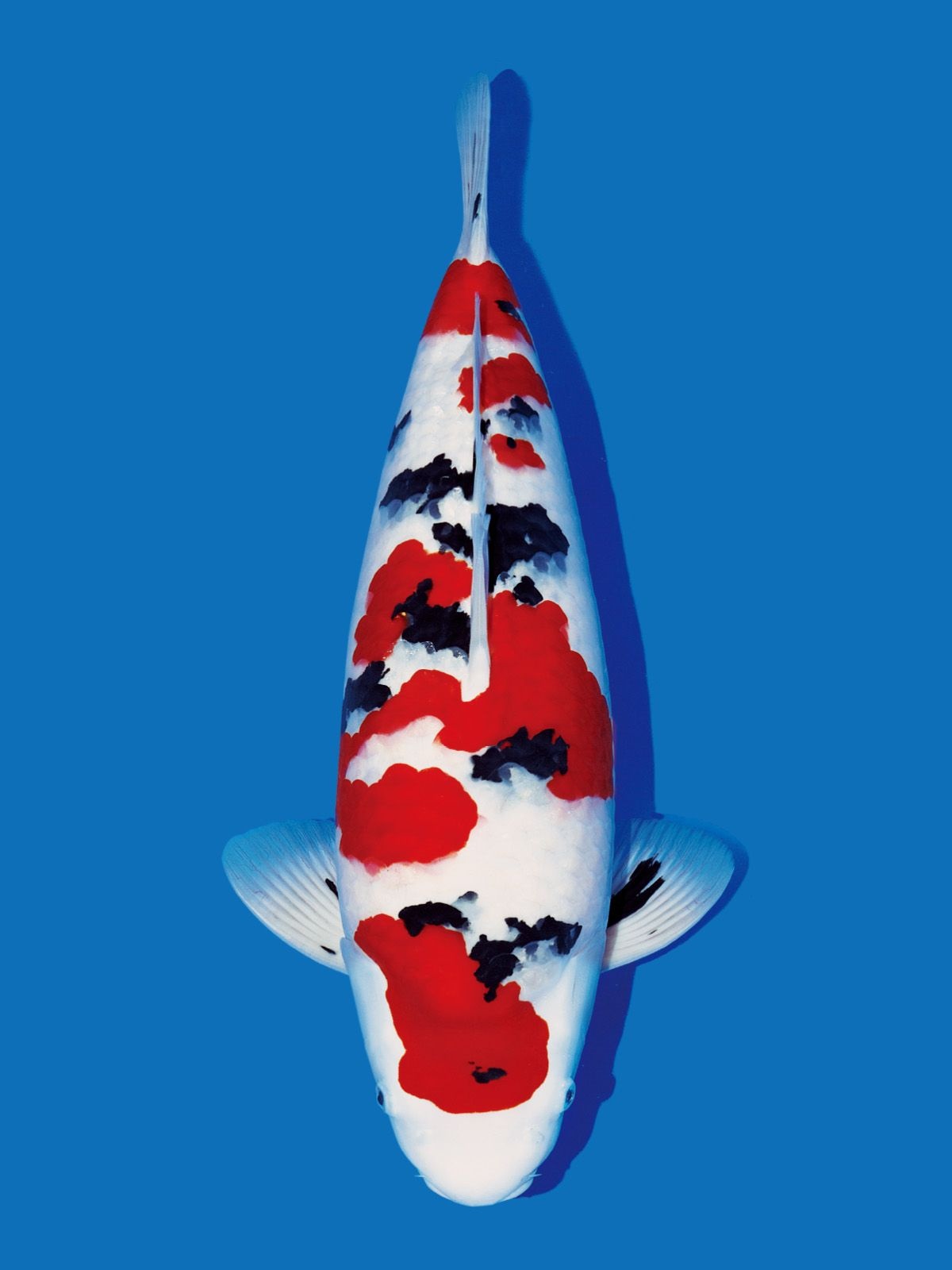
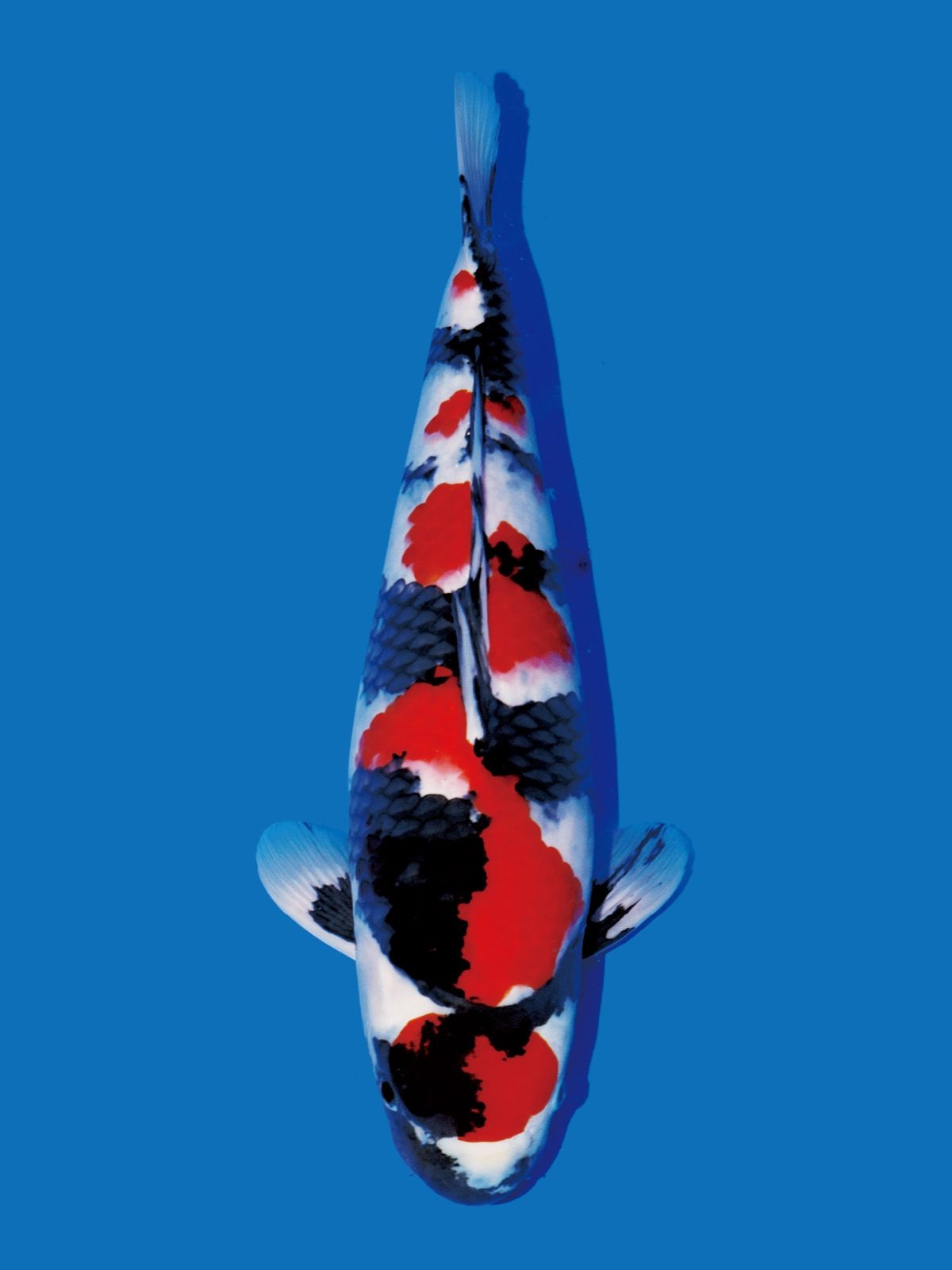
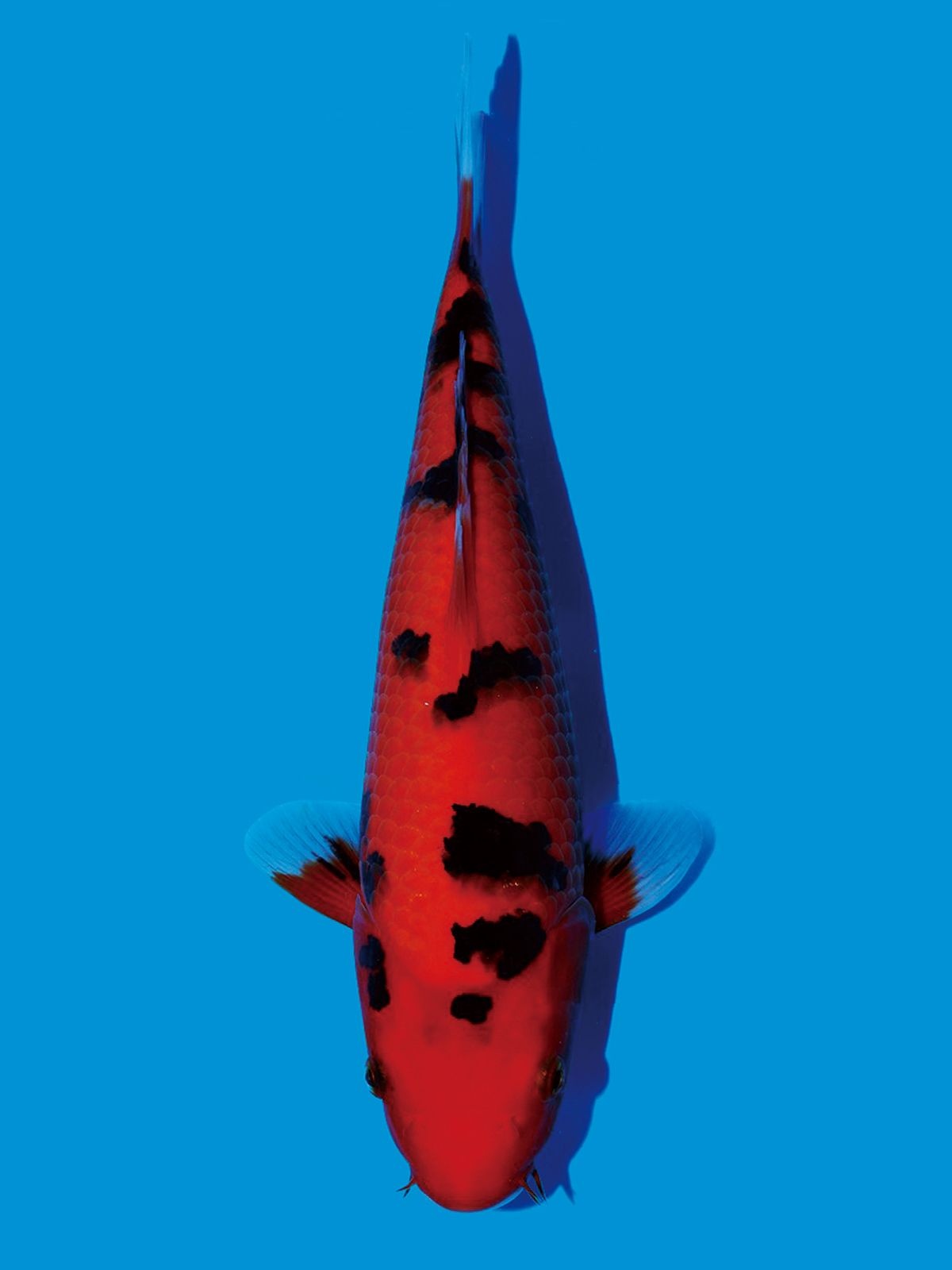
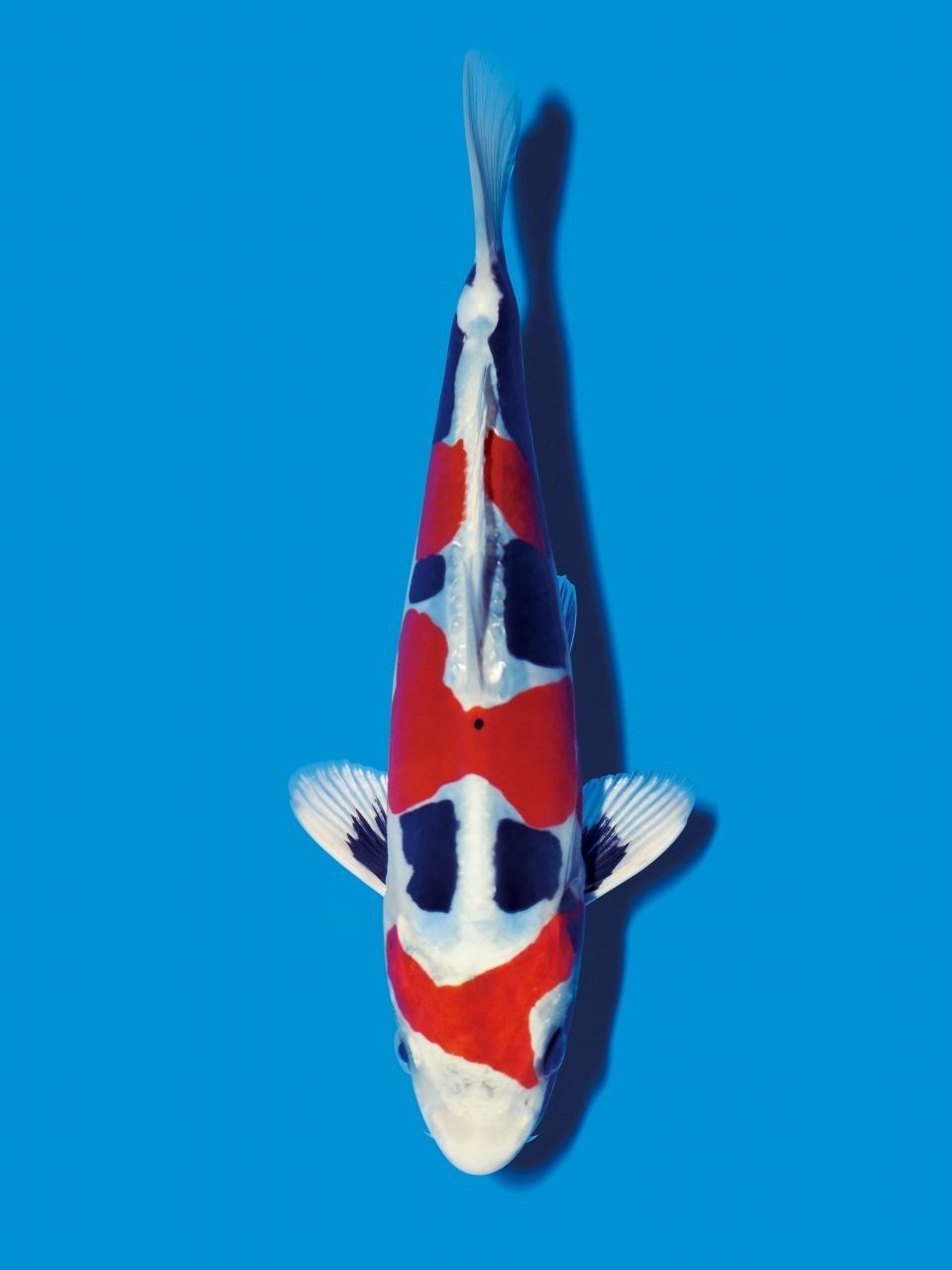
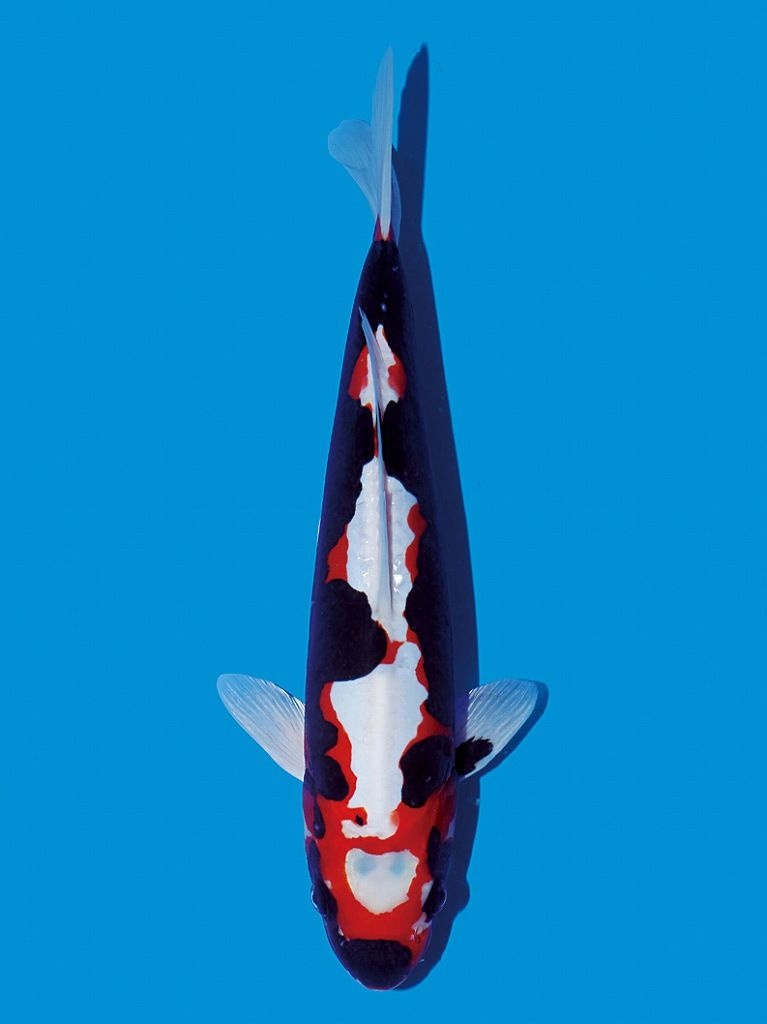
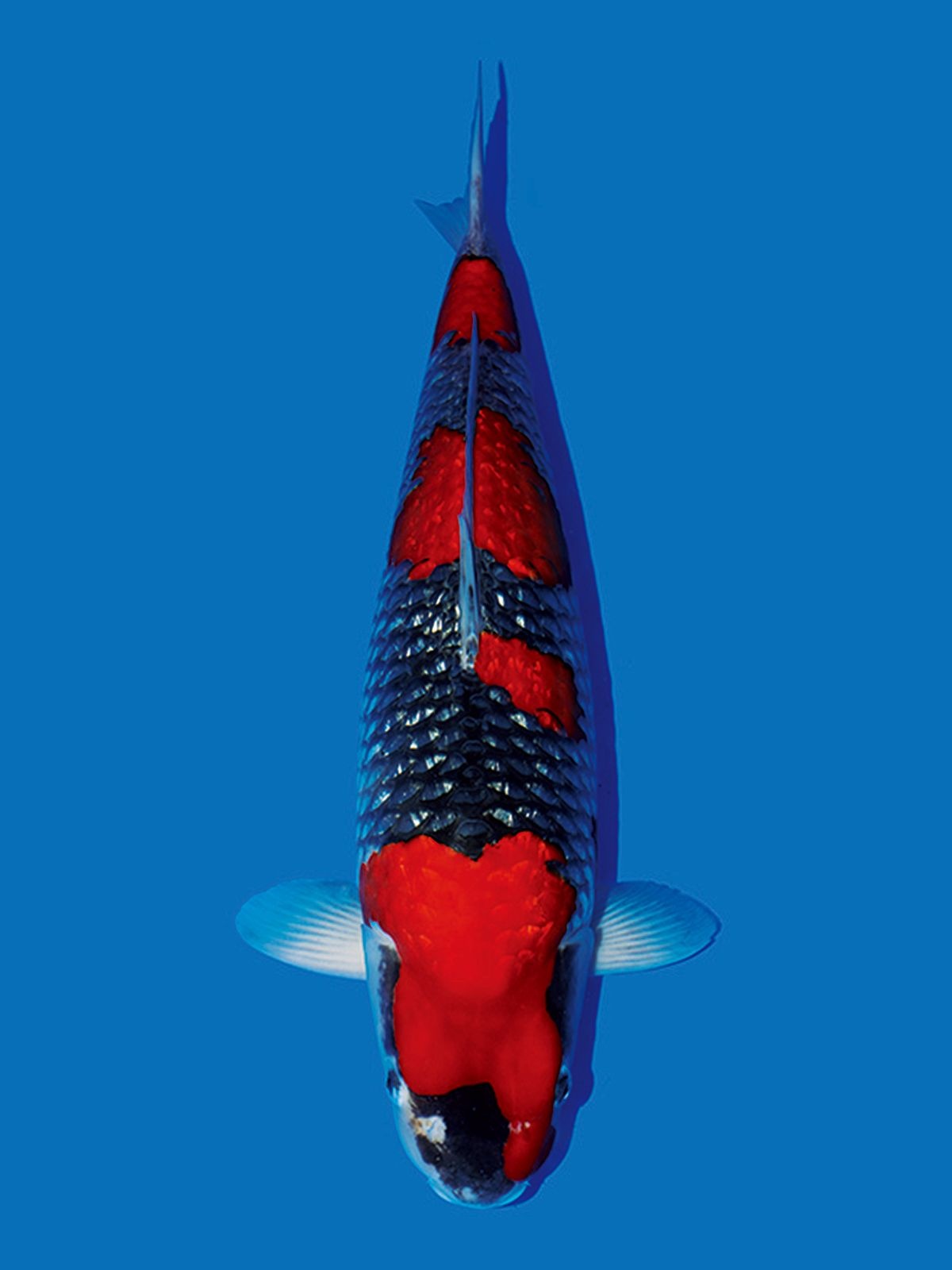
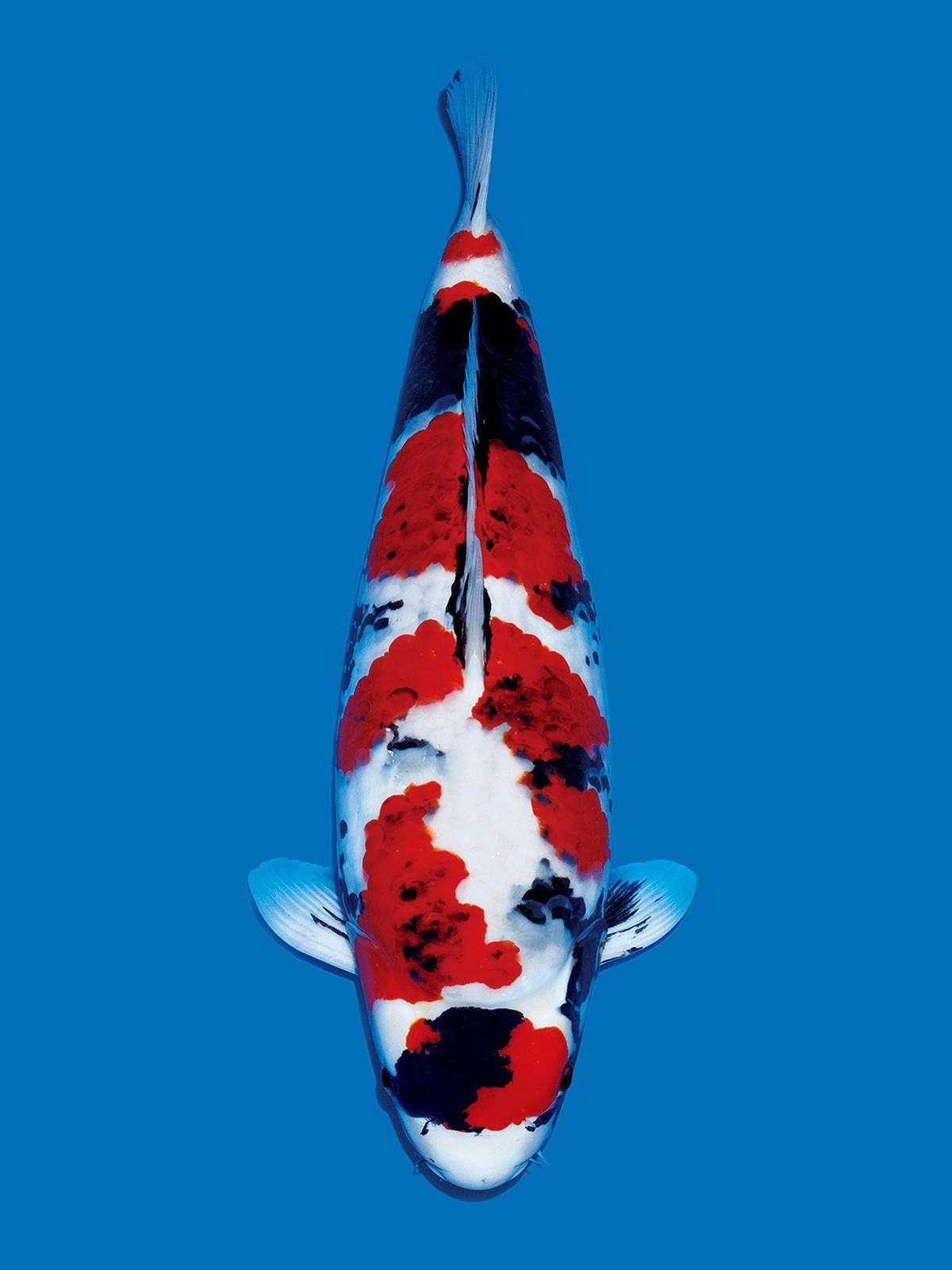
Show Classes: Kohaku, Sanke, and Showa
B – The Melati (Jasmine) Group
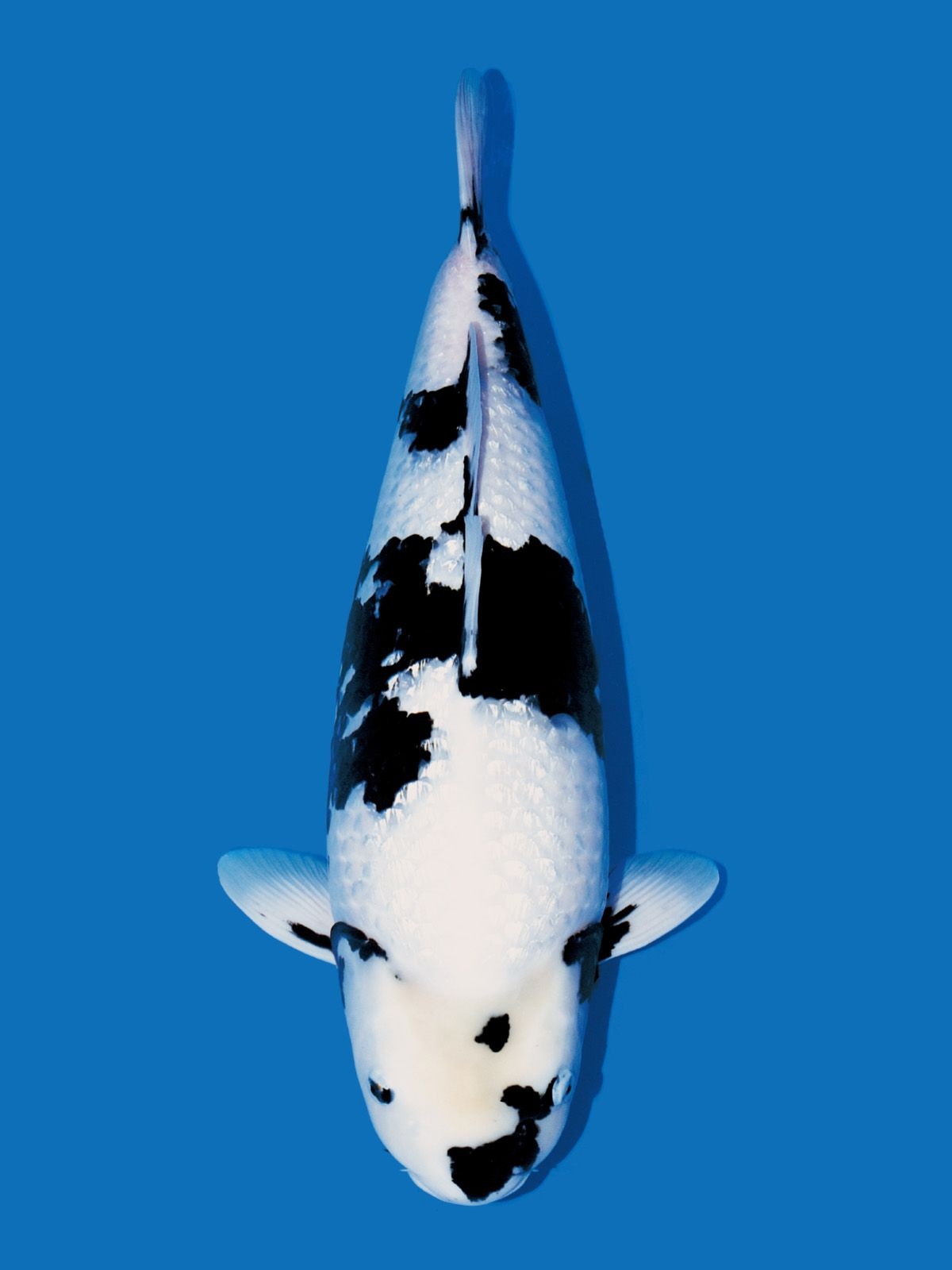
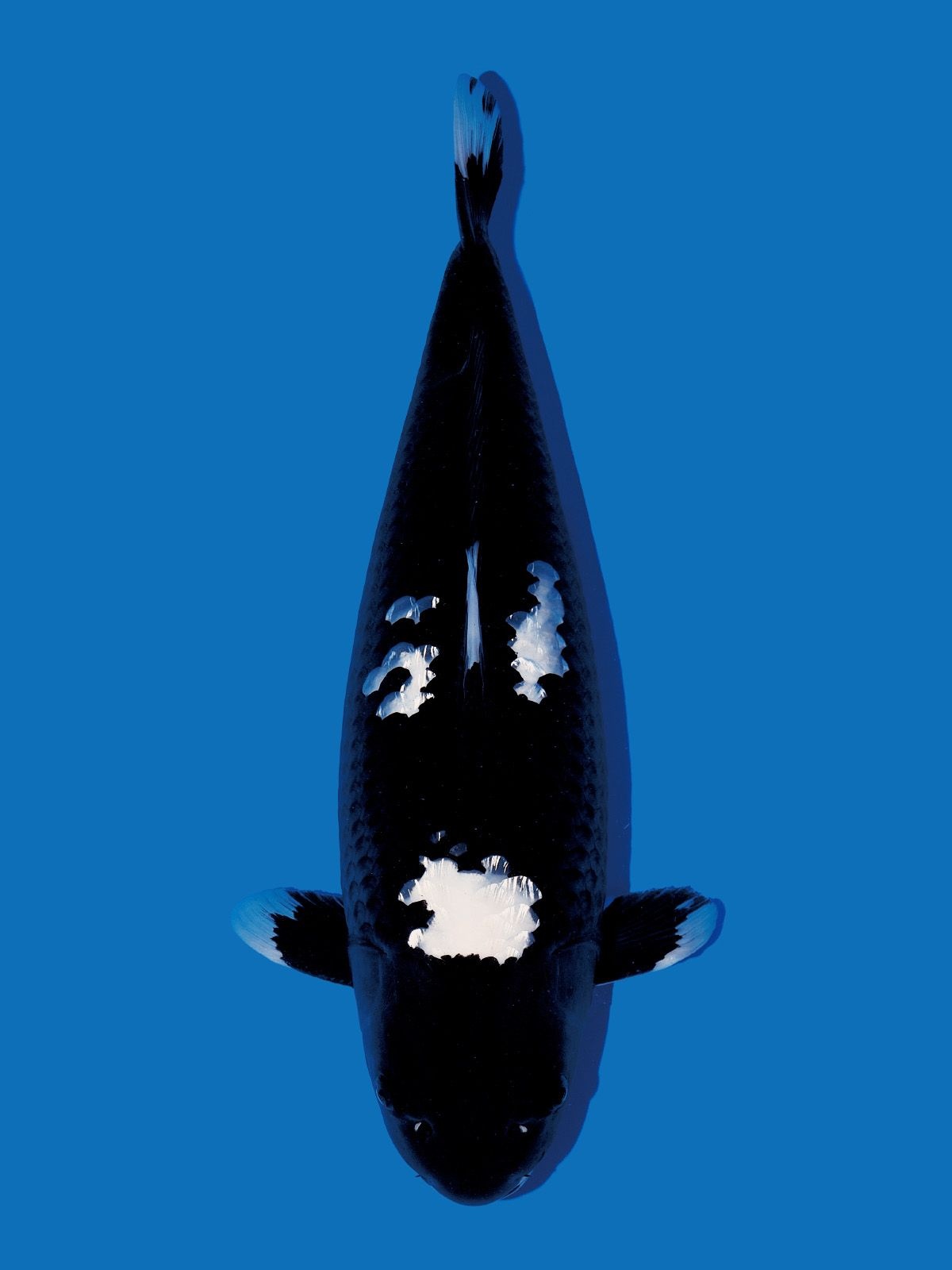
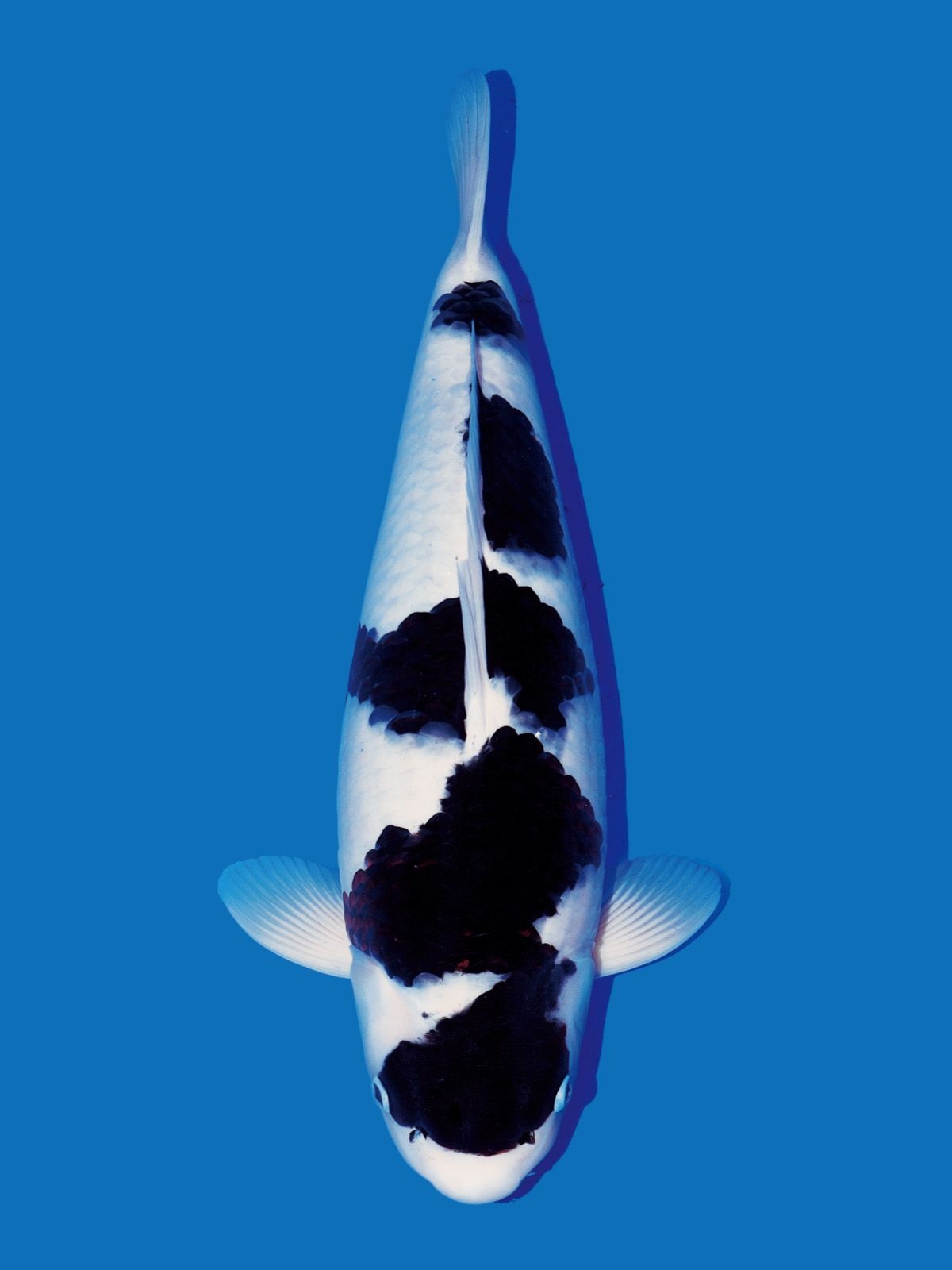
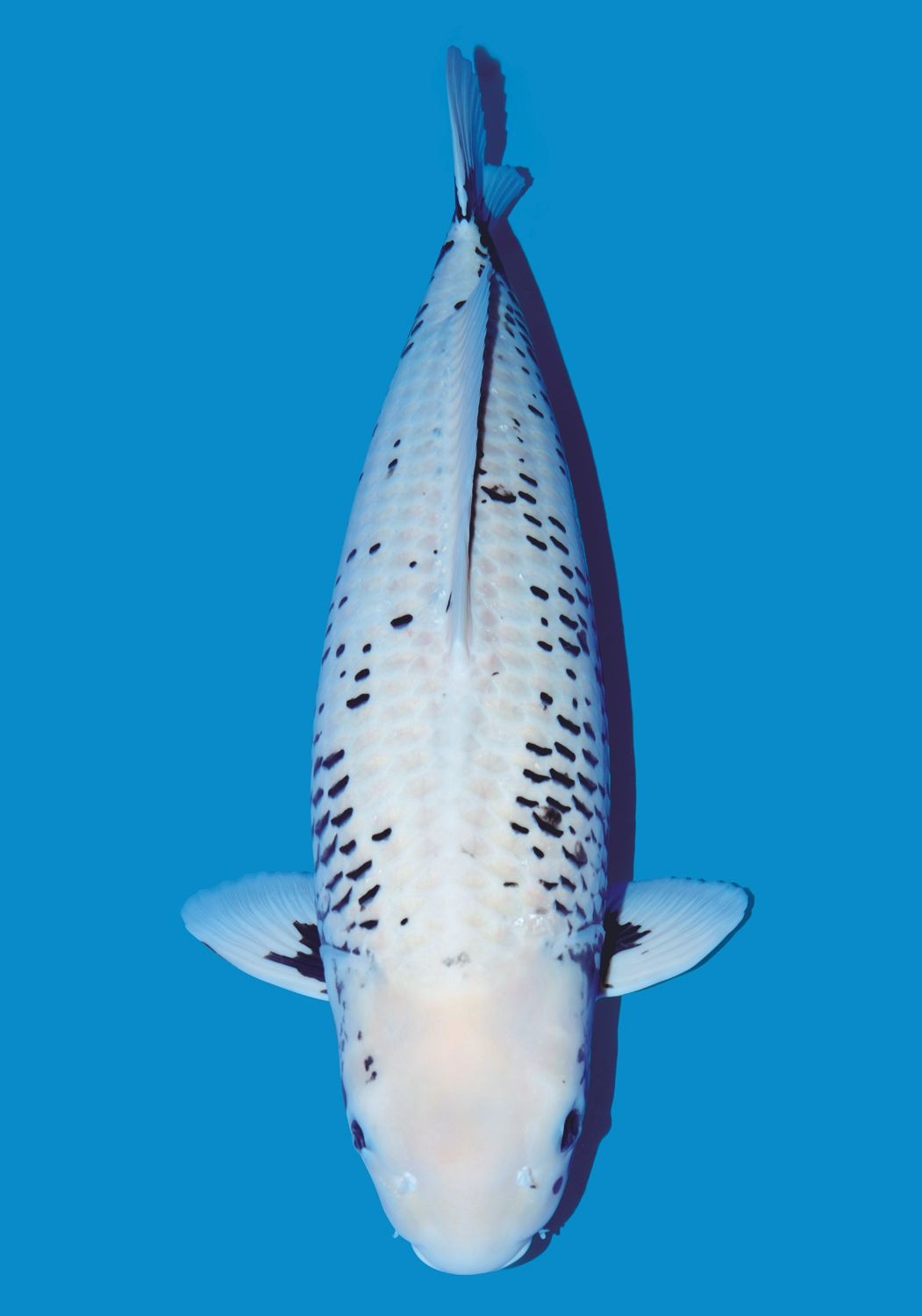
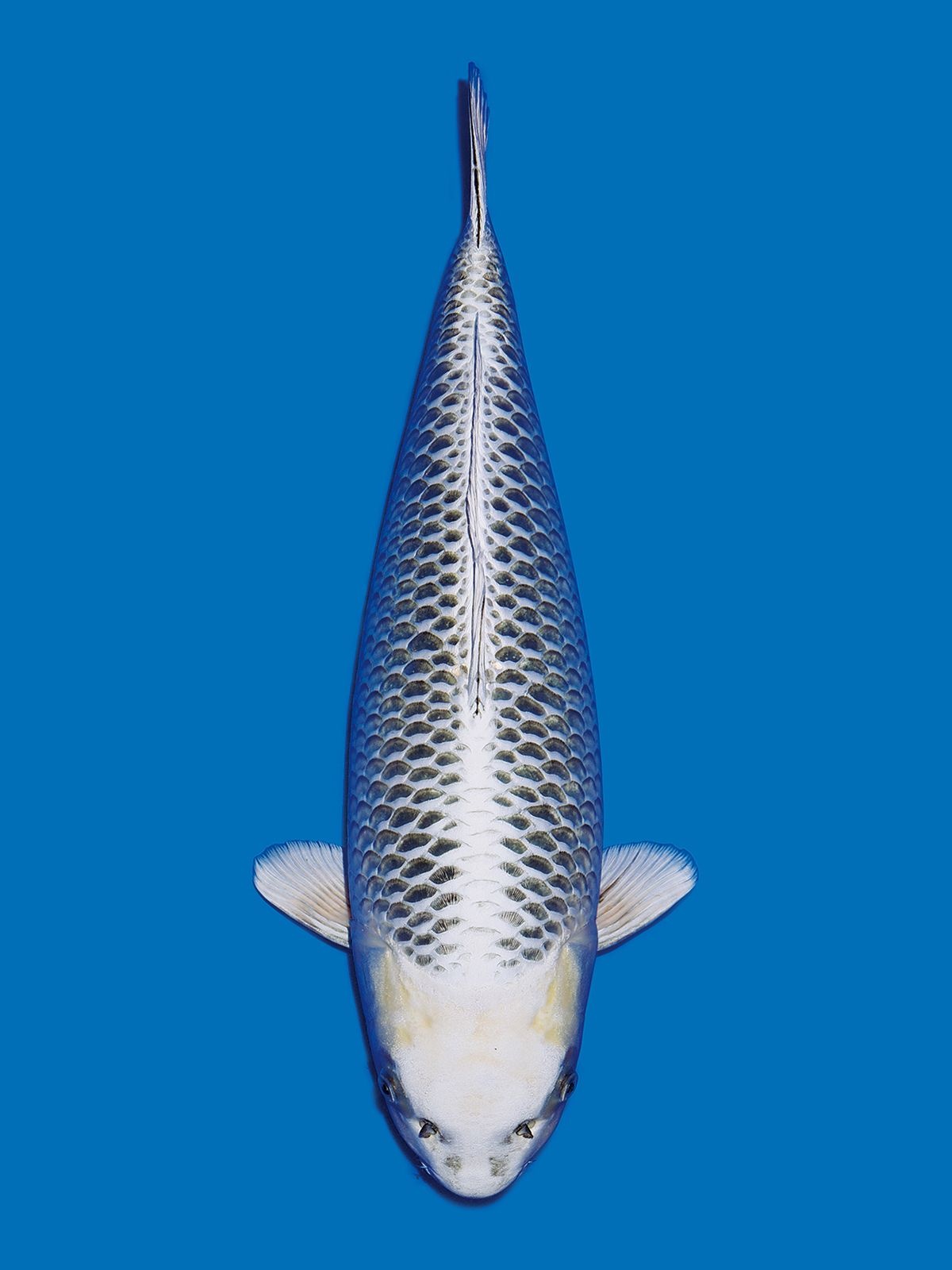
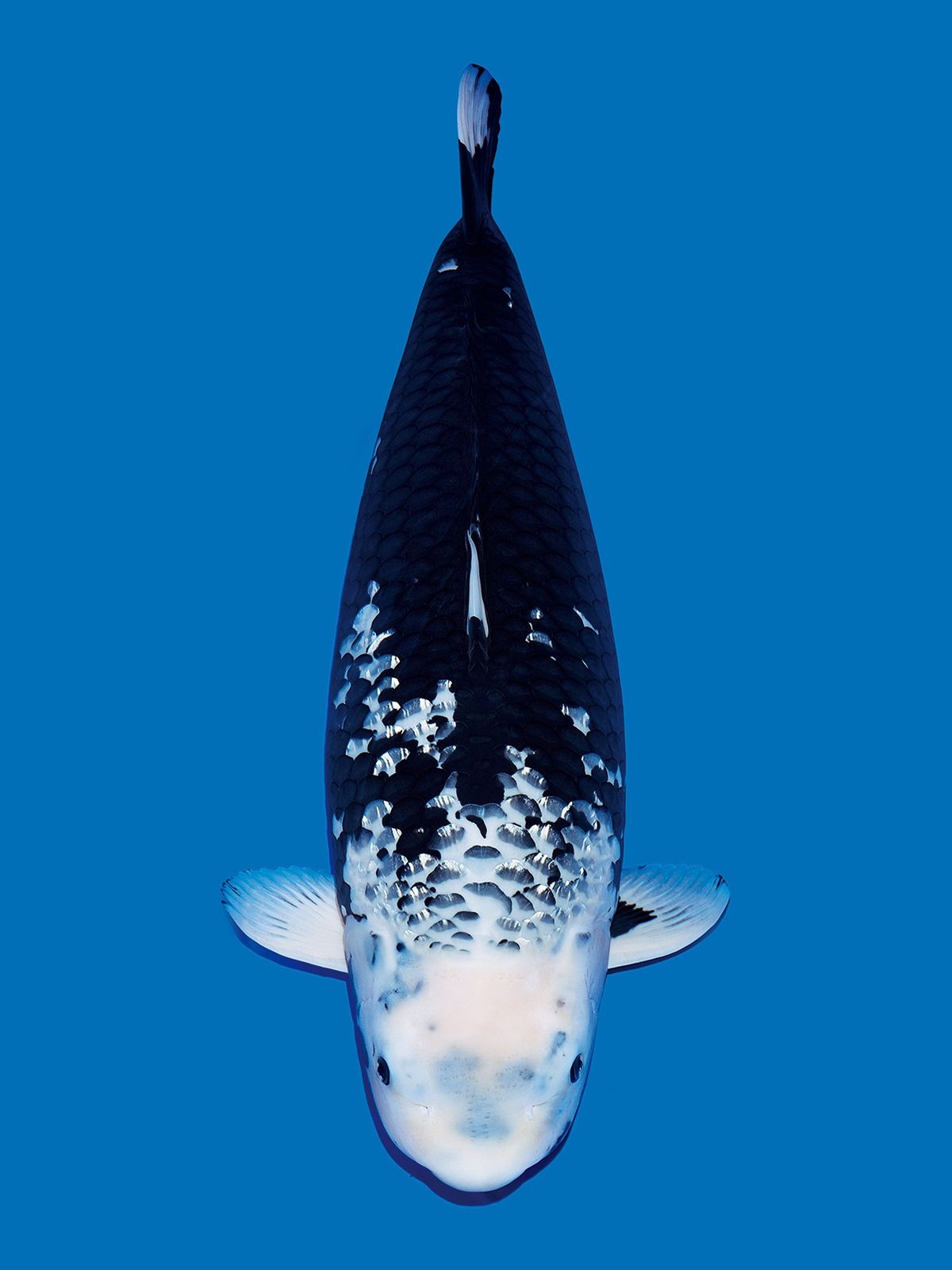
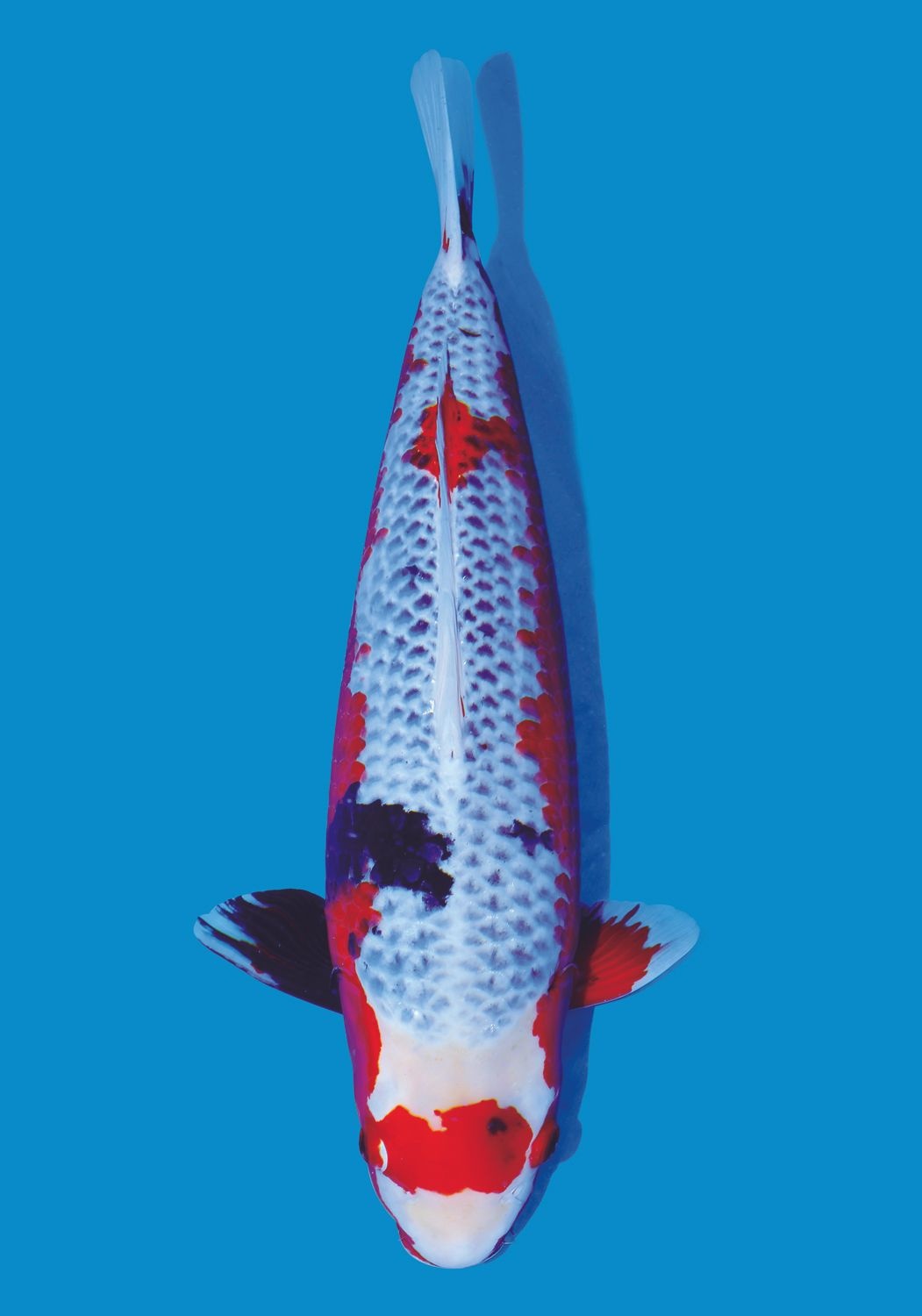
Show Classes: Shiro Utsuri, Goshiki, Goromo, Kujaku, Kin Gin Rin A, and Ochiba Shigure
C – The Anggrek (Orchid) Group
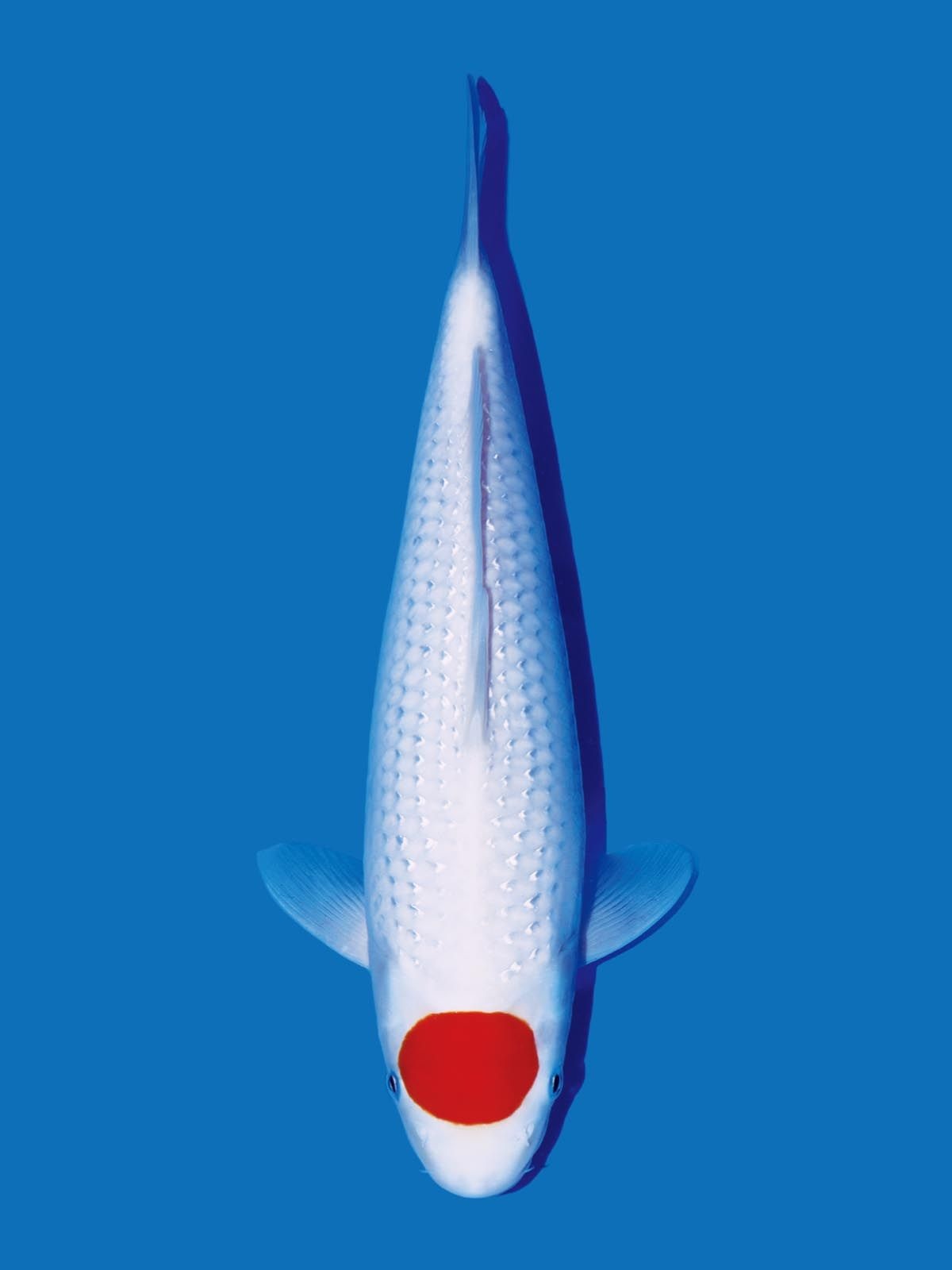
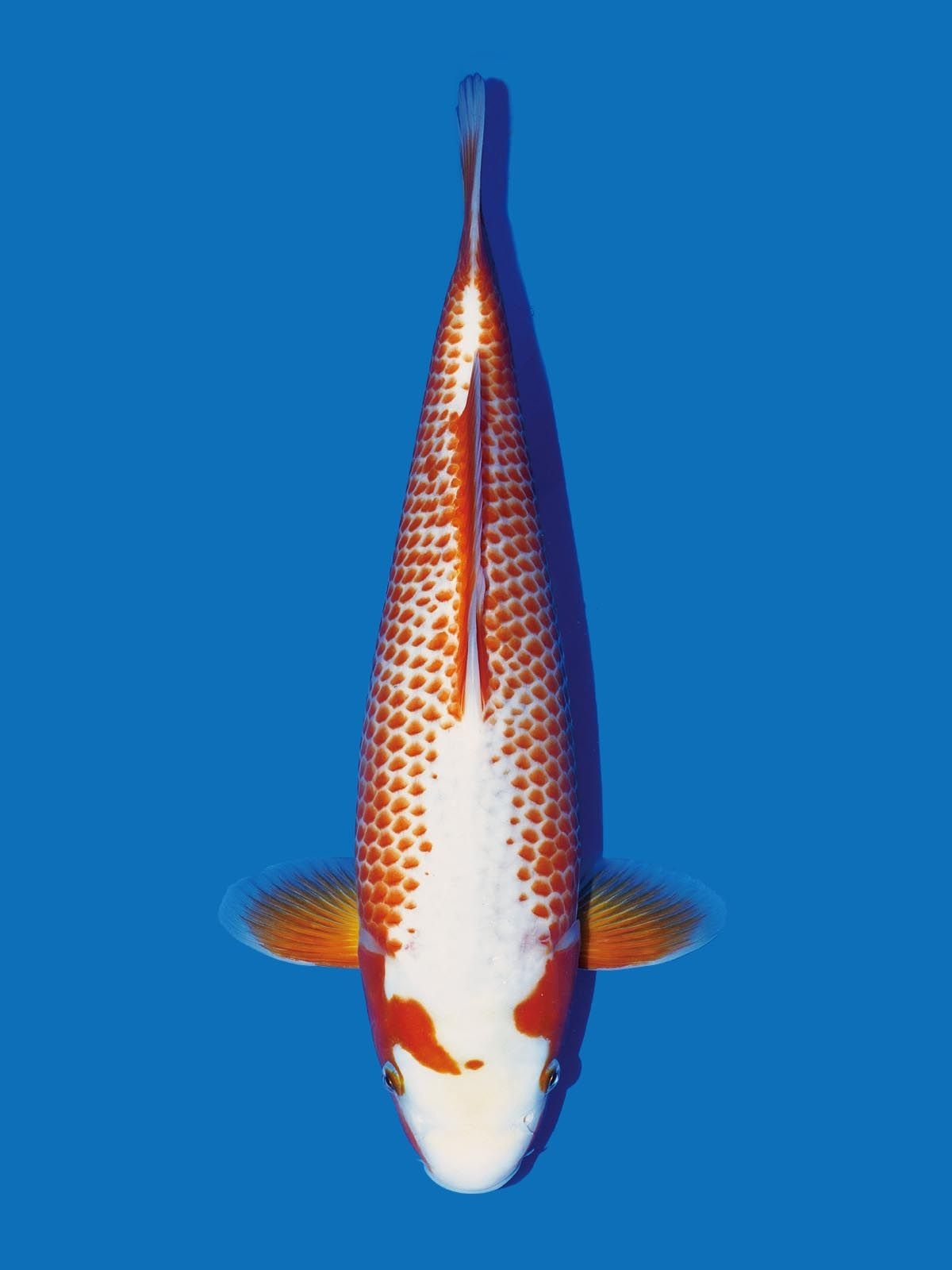
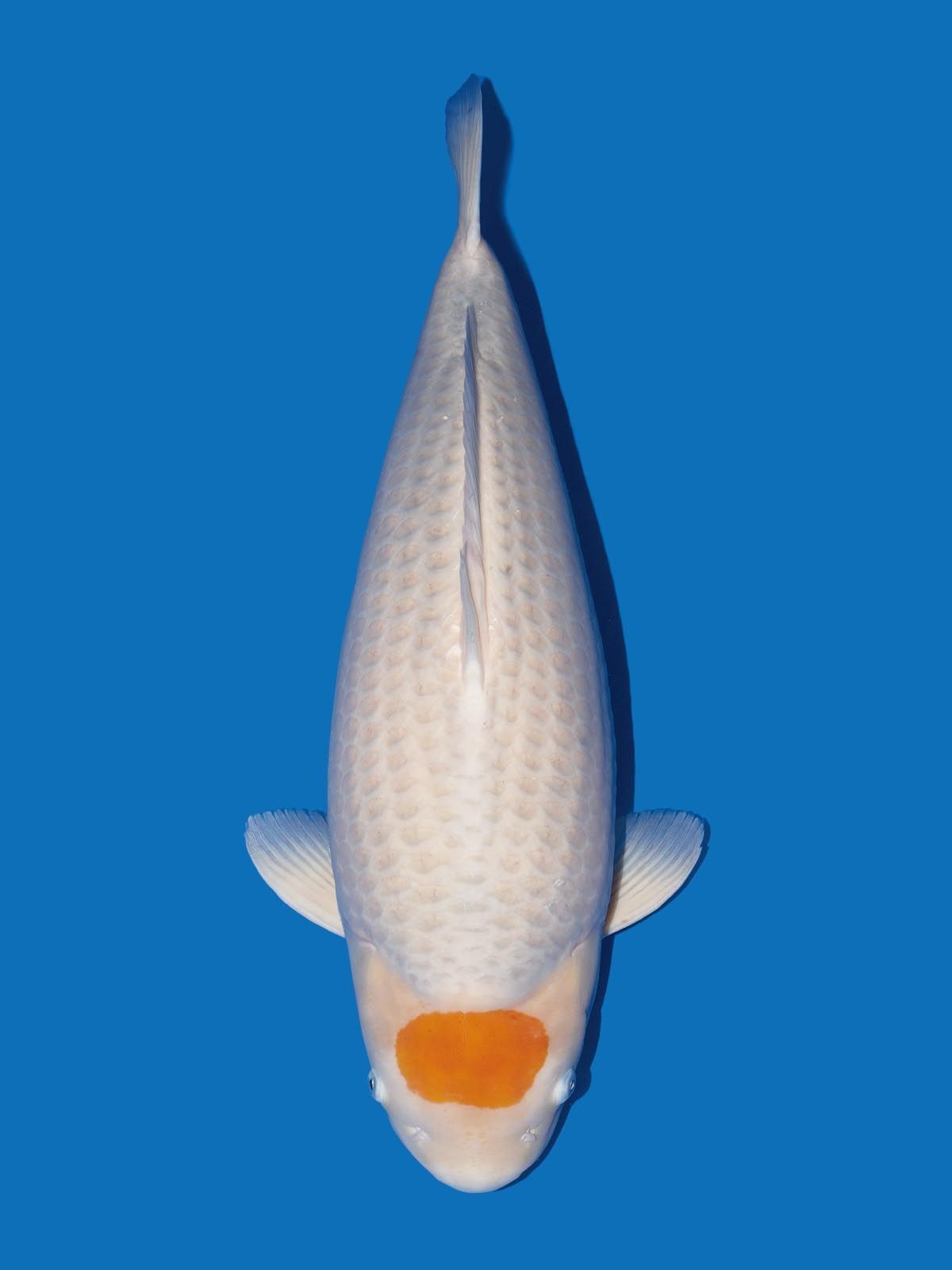
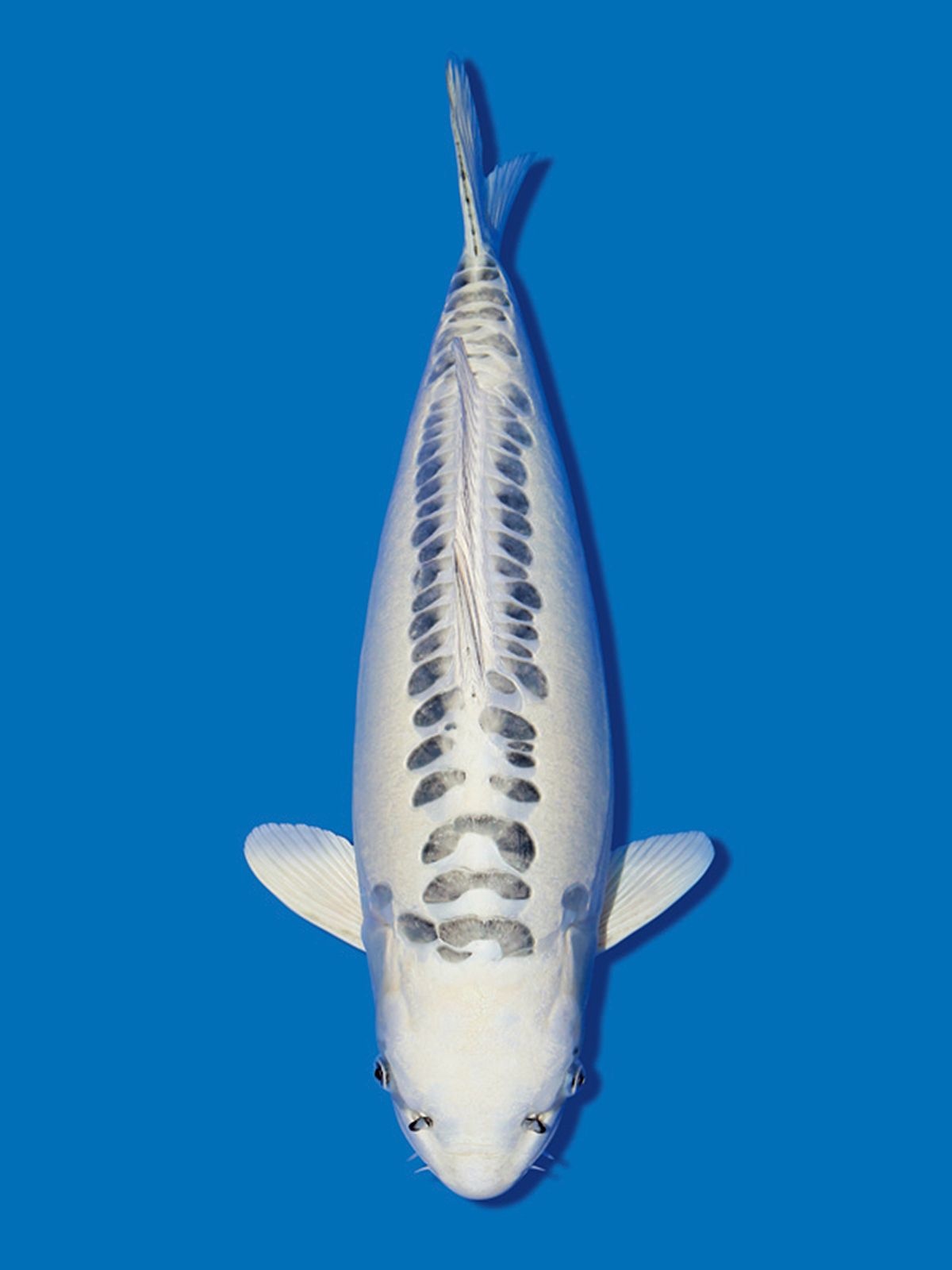
Show Classes: Tancho (all varieties), Kin Gin Rin B (Patterned, non-Go Sanke), Hikari Moyomono, Kawarimono A (Patterned), and Doitsu A (Go Sanke)
D – The Cempaka (Champak) Group
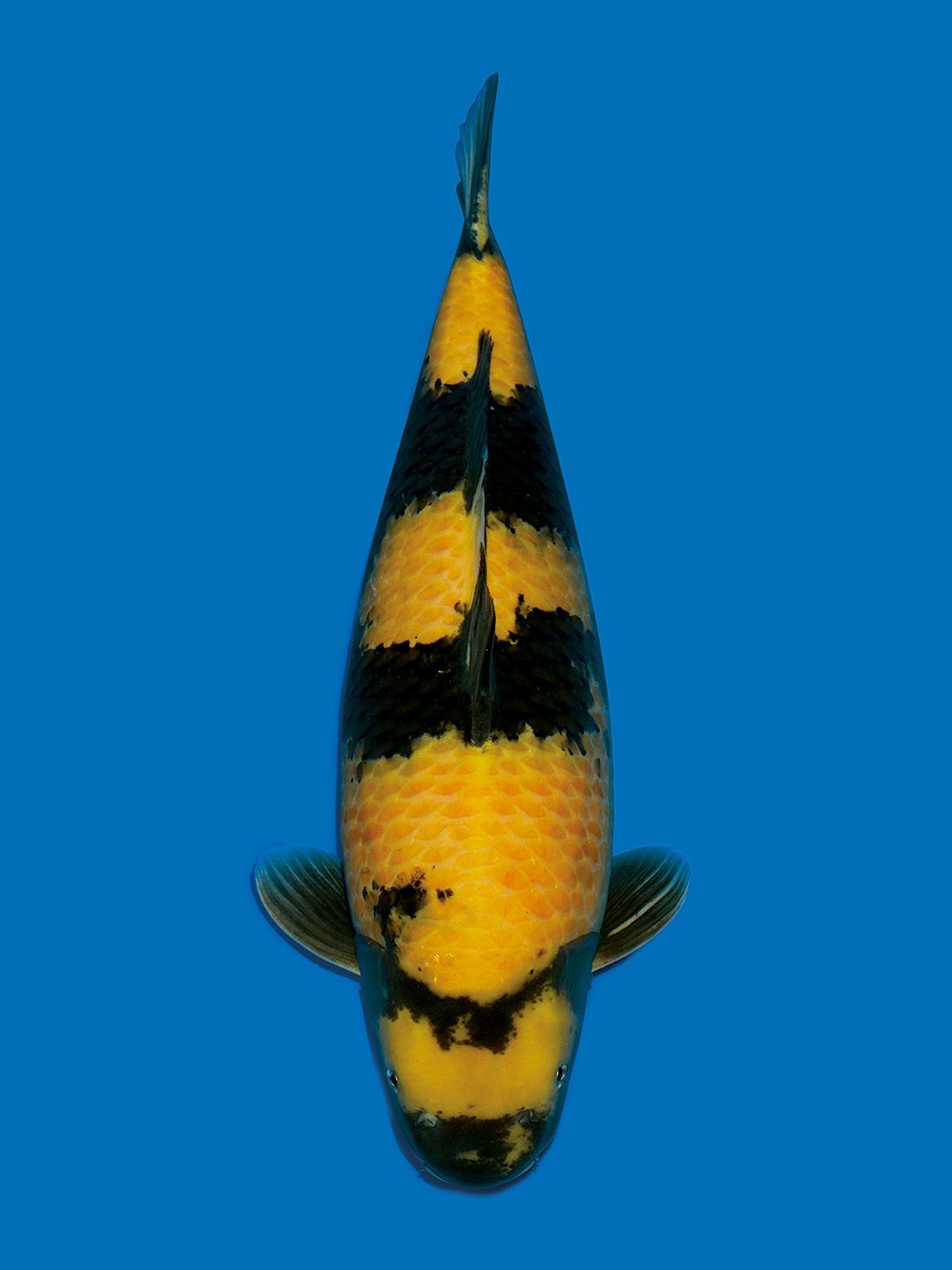
Show Classes: Asagi, Shusui, Bekko, Hi Utsuri / Ki Utsuri, Doitsu B (Patterned, non-Go Sanke), and Hikari Utsurimono
E – The Kamboja (Frangipani) Group
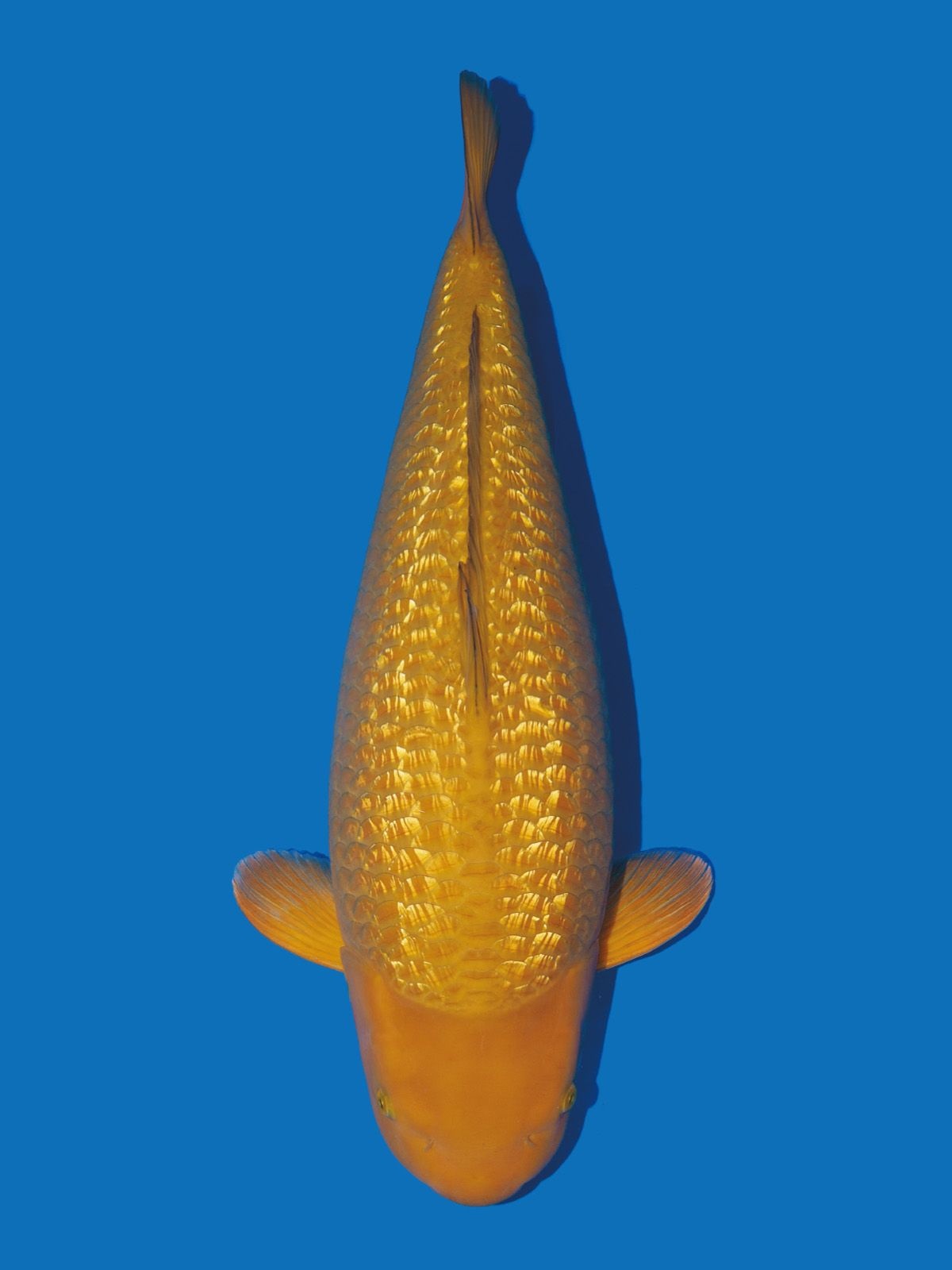
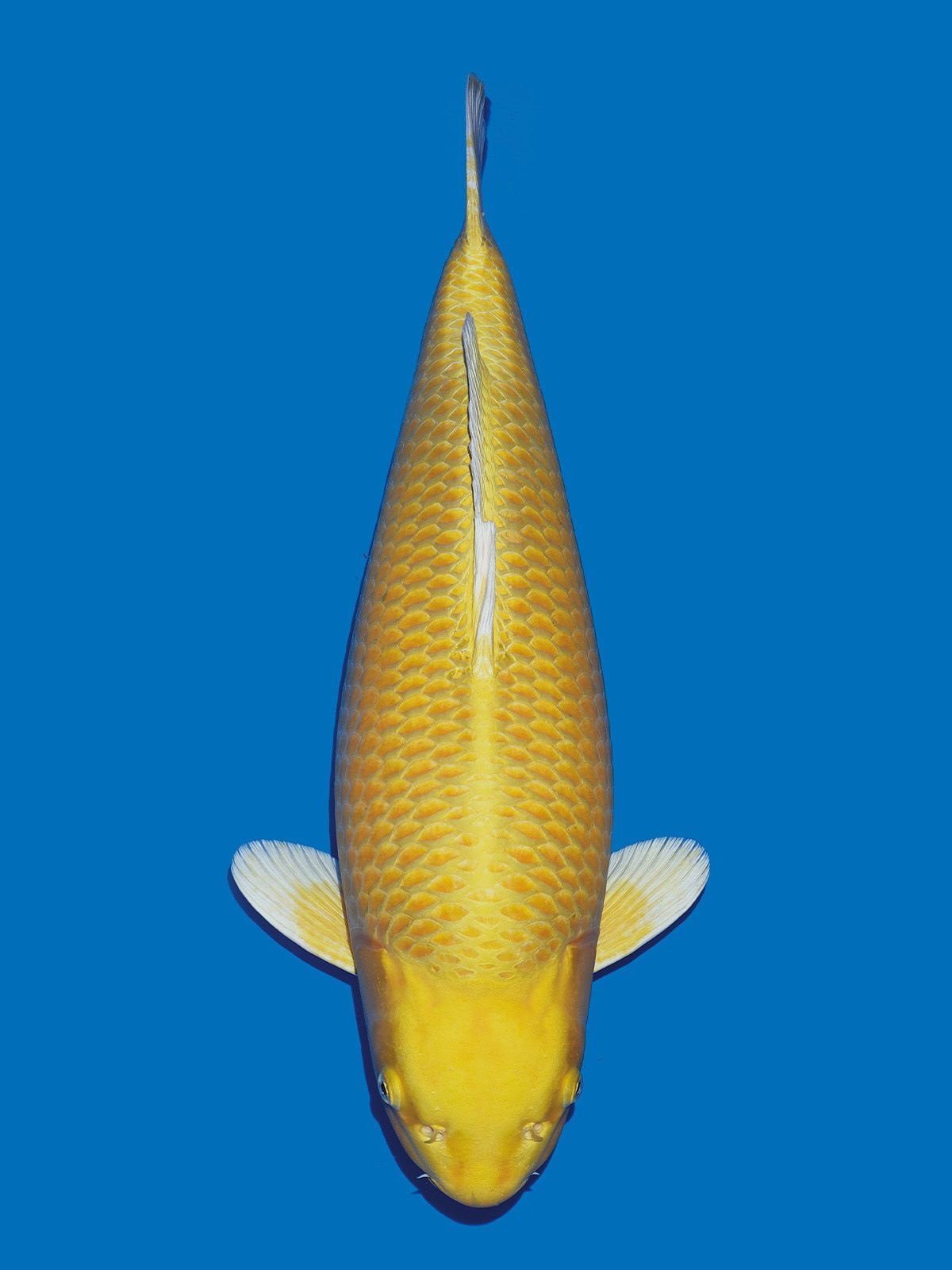
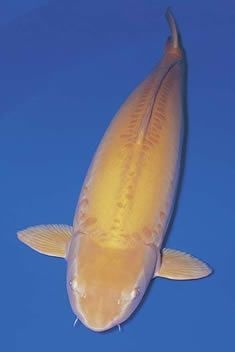
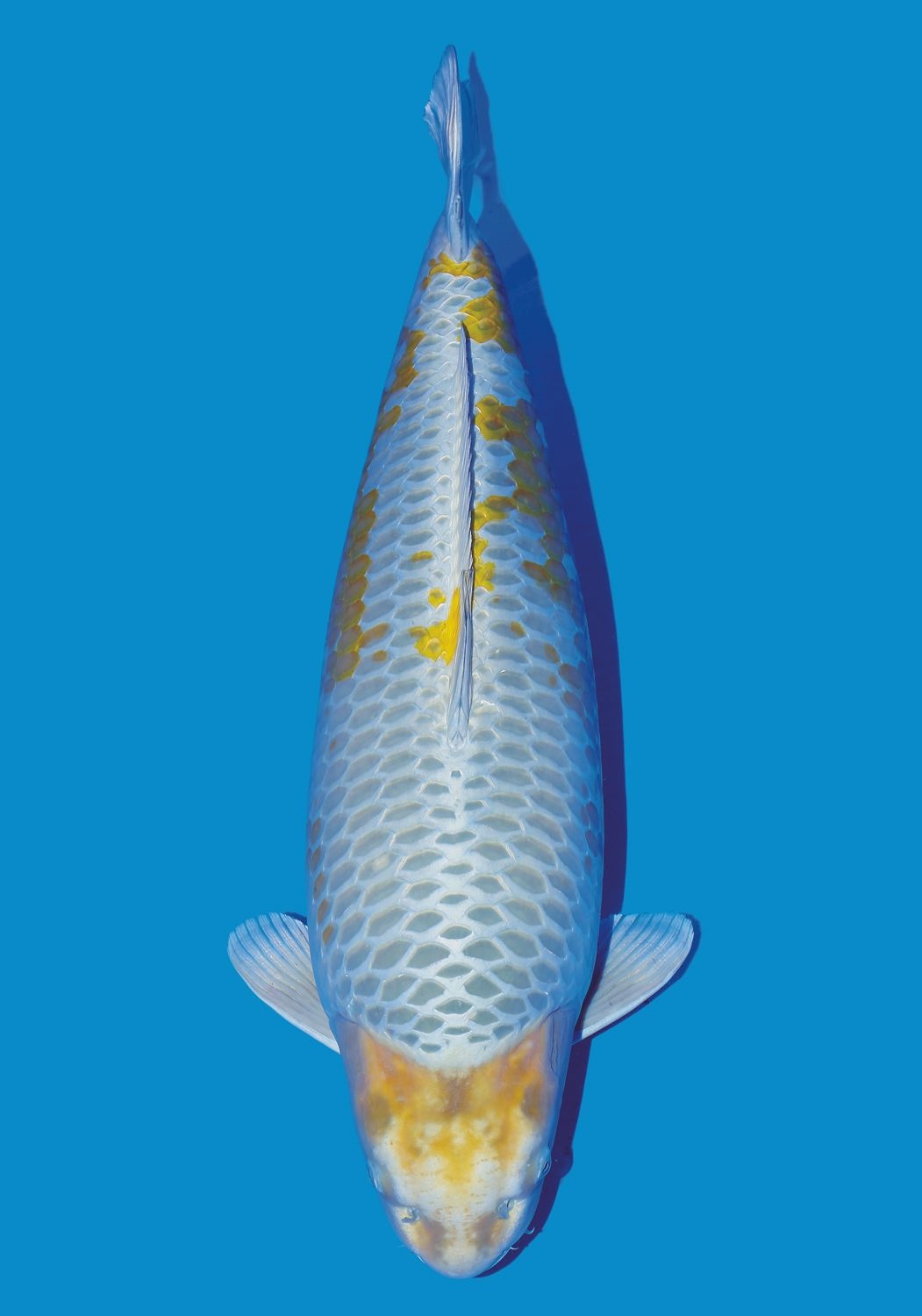
Show Classes: Hikari Mujimono, Kawarimono B (Non-patterned), Kin Gin Rin C (Non-patterned), and Doitsu C (Non-patterned)
Classification Hierarchy
Doitsu takes precedence over Metallic.
Doitsu takes precedence over Gin Rin.
Gin Rin takes precedence over Metallic.
Images courtesy of and copyright by Narita Koifarm and AI generated